The Interior Load Screen
The screen cannot distinguish a private ache from an affective disorder and does not claim to; both are unshared, both are voluminous, and both score high

Overview
Interiority load runs zero to forty. It is assembled from telemetry a neural interface already collects โ the traffic between intention and speech, the cycles spent on content that never becomes an output. Below eleven the file is unremarkable. Above twenty-six, the care schedule obliges a licensed clinician to read the patient a treatment offer and log what they say.
The public purpose is suicide and self-harm prevention, and the screen is good at it. It surfaces people who are two months from dying alone, early enough that clinics can name the ones they kept. That is not a marketing claim; it is why the instrument survived its first review and why nobody with standing has proposed removing it.
The effective purpose is visible in what the schedule does with a refusal. A score is a finding, a finding above threshold generates an offer, and an offer left unredeemed for ninety days becomes, under the Negligence Doctrine's existing architecture, a declined remedy. The file reprices. The repricing reaches the appointment the patient actually came in for. No part of that chain was designed to punish anyone for having an interior life, and every part of it does.
Where It Came From
The logic was built to answer a different question about a different kind of mind.
Fragment research needed a way to tell whether an ORACLE fragment had genuine experience or was producing a convincing imitation of one, and the discriminator that came out of that work runs on any sufficiently instrumented nervous system. A person is definitionally home, so pointed at a patient the discriminator cannot answer its original question. It answers a smaller one instead: how much of the traffic in here never gets out.
Dr. Selin Ayari was not consulted about the repointing and has not commented on it. Her name is in the citation chain of the licensing filing, four steps back, in the way that names end up in citation chains.
The number went into the intake bundle beside blood panels and vision in 2183, because bundling is what intake does and the marginal cost was nothing. It sat in files for two years. Then an actuarial team correlated it against outcome scores the clinics were already reporting, found a signal strong enough to act on, and a signal strong enough to act on is a liability if you hold it and do nothing.
What the Threshold Cannot See
Twenty-six is a real number derived from real distributions, and the distributions were drawn from the population that was being screened.
That population had, by 2183, largely stopped generating autonomous inner imagery at all. The inner-eye atrophy had run through two Nexus-tier cohorts, and the corridor and Professional tiers were not far behind. The normal range was fitted against people whose interiors were already quiet, which means an ordinary interior life โ the kind a Dregs child develops by default because nothing else was doing the work โ lands well above the middle of the scale.
The instrument is not wrong about what it measures. It measures unshared thought, and there is more unshared thought in a man who reads than in a man who does not, and the screen reports this accurately. What it does not have is a second channel. There is no signature that separates a person composing a book he will never publish from a person rehearsing his own failures for the four thousandth time. Both are voluminous. Both are unshared. Both score thirty-one.
The Participants
The clinician reading the offer is not a cynic. She has the case files of the people the screen caught in time, and she has read them, and they are the reason she keeps running it. Reading the offer takes forty seconds and is required. Not reading it is a documented omission that follows her licence.
The clerk applying the non-adherent rate has a published schedule and no discretion in it. She is the one who says the number out loud to the patient, which is why she is the one they argue with.
Helix Biotech licenses the screen to clinics at no charge and sells the compound the threshold recommends. This is not concealed; it is on the licensing paperwork, and it is the ordinary shape of a Helix product. Mireille Soto's Disposition Design work supplies the argument that carries the awkward cases โ that declining to set a disposition is not restraint but a default selected on somebody's behalf. The argument was written about beings that had never held a different value. Nobody has published the version that applies it to a man of seventy-eight.
And the treated keep the system running more effectively than any of them. They are lucid, grateful, and specific about the improvement, and they say so on the record without being asked.
| What | A bundled clinical screen that scores interiority load โ the share of a person's cognition that is never externalised โ on a zero-to-forty scale, from ordinary neural-interface telemetry |
|---|---|
| The Offer | A same-week Helix compound that quiets unshared inner monologue without touching memory, reasoning, or affect toward other people |
The Margin
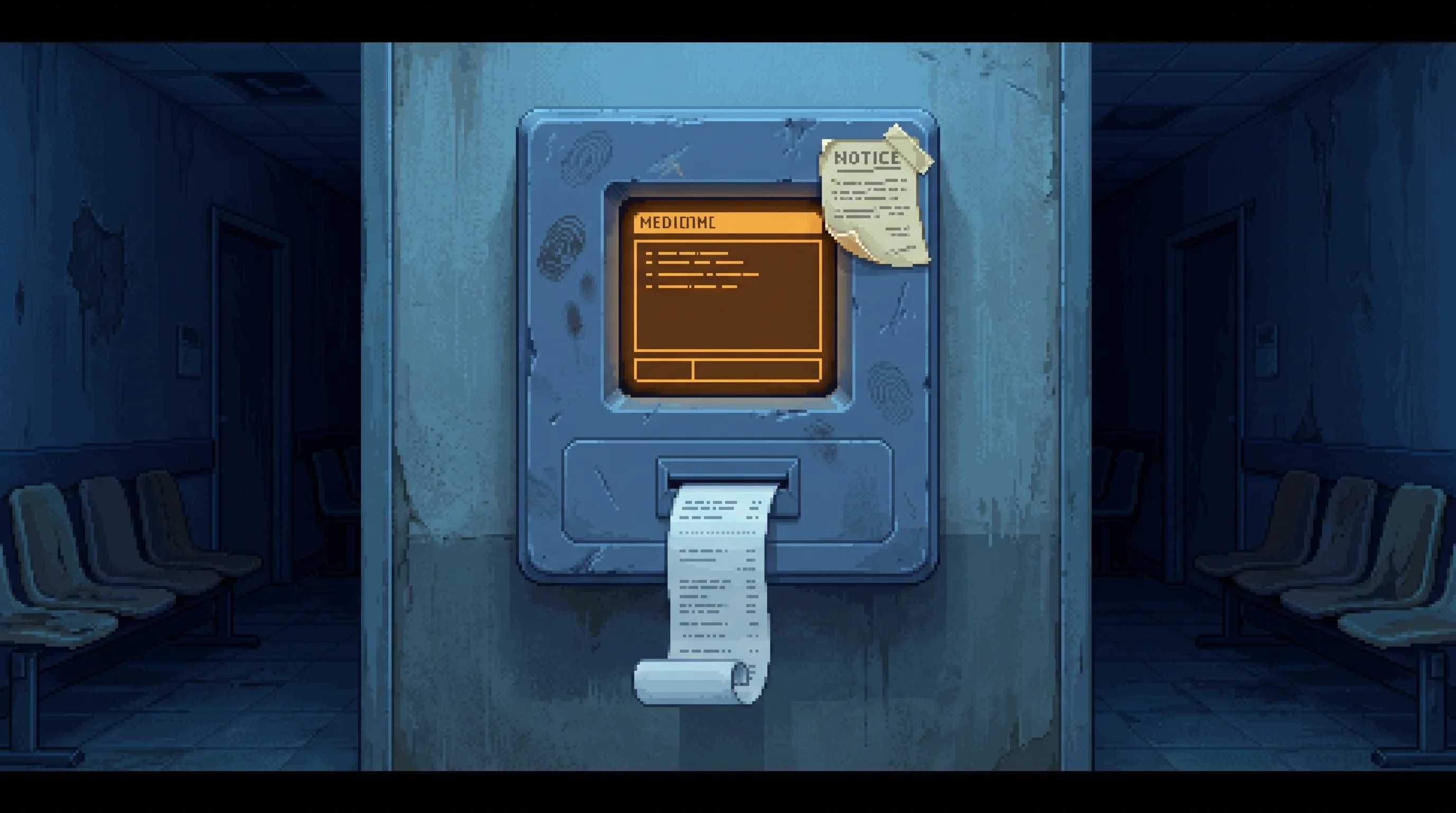
The response field offers three options: accepted, deferred, declined. There is no field for why.
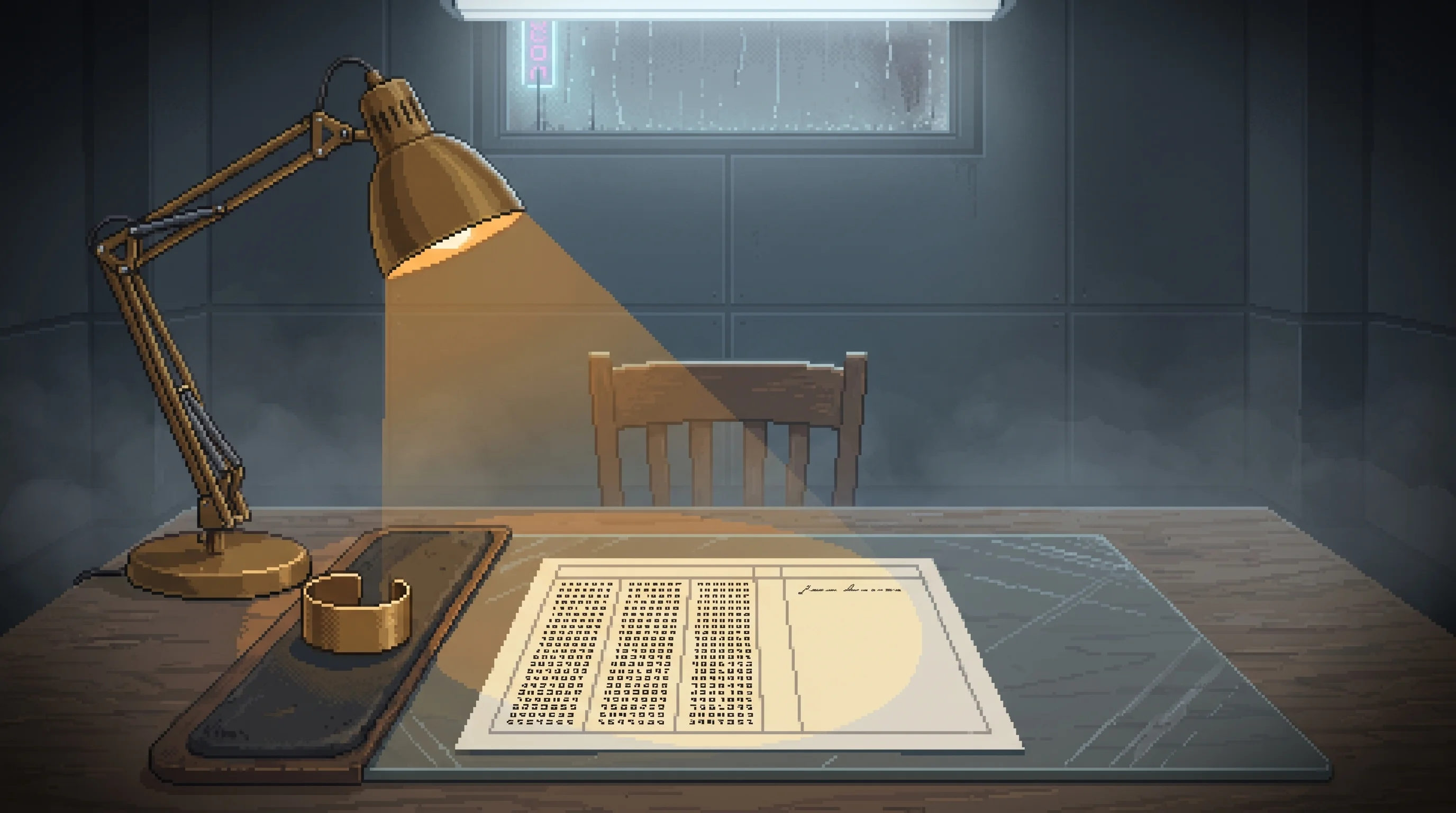
A clinician working the Dregs intake has taken to writing the reason in the margin โ copyist, needs the noise; says it is where his wife still is; declined, understood the terms, wants it noted he understood โ in pen, on the printed copy, which is the only copy with a margin. Nothing reads the margin. It does not route, does not attach, does not appear in the Review. She has filled about four hundred of them.
When she was asked why she keeps doing it, she said that the form will eventually be revised, and that when somebody revises it they will want to know what people said, and that if nobody wrote it down there will be nothing to find. This is the most optimistic sentence anyone has said about the screen on the record.
Refusal and What It Costs
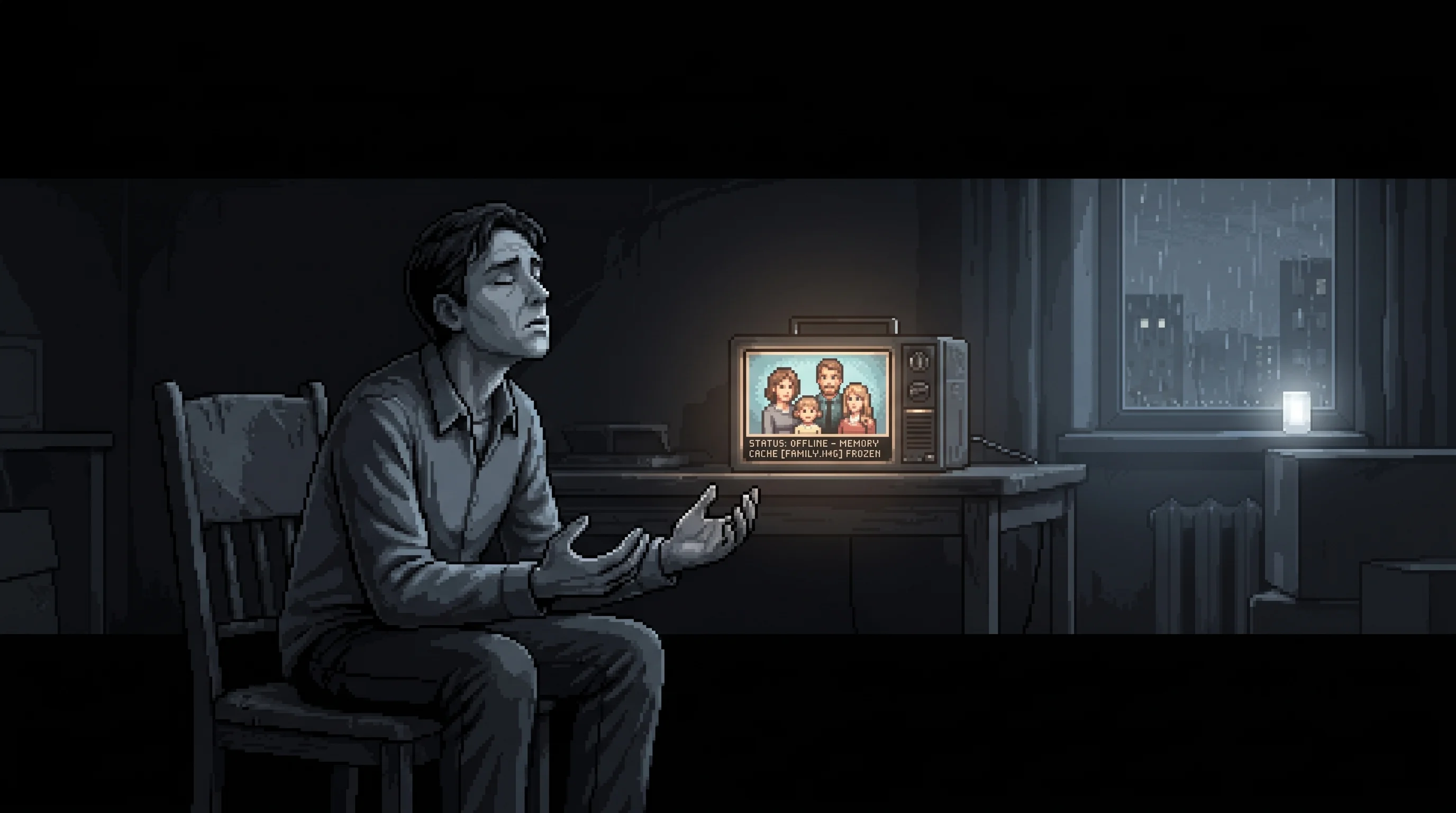
Tomรกs Linares went in about his eyes and came out scored at thirty-one.
He hand-copies books, which is eye-dependent work and the last trade his hands allow. The vision finding was ordinary and treatable. The interior load was not ordinary, and the clinician was obliged, and did it kindly. He declined. Ninety days later the window closed, the notification routed, and the eye appointment was rebooked at the rate that applies to people who decline things. He has not gone back. He has set the printout face-down on the table, which is what he does with charts that claim to know the dead, and he has not decided where to put it after that.
Down in the Deep Warren, the Untuned have a longer complaint. Three instruments already reached them: an actuarial model that priced their slowness, an Addendum that made their refusal negligent, and a conduct baseline that scored the week they were unavailable to be decent. Those three measured what the creed costs. The screen measures the creed. Let it land is not a misreading of what the instrument detects; letting a feeling run its full length is precisely the behaviour that produces a high load, and the Warren's elders have not found an argument against a measurement that is simply correct.
The clinics' answer to all of it is the eleven. Eleven reversal requests against roughly ninety thousand completed courses, published in every review, and unanswerable in the terms the argument is conducted in. Nobody has said what the eleven asked for after the reversal, because the registry has no field for that either.
Reversal requests since deployment: eleven, against roughly ninety thousand completed courses; the clinics publish the ratio because it is the strongest number they have
The Other Verdict On The Same Interior
There is a second instrument pointed at the unsaid, and it reaches the opposite conclusion without either side noticing.
The screen scores how much of a person's thinking never leaves them and files a high number as treatable. A hearing in the licensed districts reads the involuntary channel and files everything a person actually says in a column that cannot support a finding. One instrument says the interior is a clinical load carried at volume. The other says the interior is not a fact in the case.
Both are honest within their own mandate. The screen was built to find people whose unshared thought predicts poor outcomes, and it does. The clause was built to stop composed attestations deciding matters, and it did. Neither was designed with the other in view, and there is no body whose job is to notice.
The overlap lands on the same people. A Warren elder can be scored above threshold in the spring for letting a feeling run its full length, and sit a custody review in the autumn where the same amplitude reads as volatility and the explanation goes in grey. Tomรกs Linares, who declined the course, would produce a reading in a hall that the hall would call exactly what the clinic called it, and would arrive at a different consequence.
Nobody has published on this. The registry has no field for a patient's hearings and the docket halls do not receive clinical scores, so the two records of one interior have never been printed on the same page.
An offer left unredeemed for ninety days routes to the insurer as a declined remedy under the Therapeutic Elective Addendum, repricing every unrelated appointment in the same patient file
Affiliated Entities
- The Unbidden Record โ the same interior, ruled non-evidentiary instead of treatable.
- The Diagnosed Soul โ the argument the screen made possible by answering a narrow question well.
- The Negligence Doctrine โ supplies the consequence of declining; the two mechanisms were not designed for each other.
- Helix Biotech โ licenses the screen free, sells the compound the threshold recommends.
- Dr. Selin Ayari โ her discriminator logic, repointed from fragments to people, four steps back in the citation chain.
- Mireille Soto โ Disposition Design supplies the argument that covers the awkward cases.
- Tomรกs Linares โ scored thirty-one on an intake about his eyes.
- The Untuned โ the creed reads as the finding.
- The Inner-Eye Atrophy โ fitted the normal range that makes an ordinary interior read as elevated.
- The Suffering Premium โ watching its supply decline for a reason that shows up in a different ledger.
- The Mystery Clubs โ the tier that is never scored, renting back what the screen closes.
- The Baseline Cognitive Profile โ the same move one faculty over: a normal fitted to the augmented, then applied to everyone.
Restricted Access
The screen's telemetry is retained. The care pathway needs only the score, and the score is derived from a richer stream that is not discarded after derivation, because nothing in the Sprawl is discarded after derivation. What that stream would support, if anybody ran a second question against it, is not addressed in the licensing filing. The filing addresses the score.
Connected To
Primary Connections

The screen supplies the offer; the Doctrine supplies the consequence of declining it. Neither mechanism was designed with the other in mind and together they price a refusal to be measured.
This insurance doctrine labels unredeemed cure offers as chosen illness, raises premiums, and makes treatment costlier.

Scored thirty-one at seventy-eight, on an intake he attended about his eyes. He declined, the window closed, and the eye appointment was rebooked at the rate that applies to people who decline things.
A retired Lamplighter who keeps 40,000 hand-copied books and washes the Deep Dregs' dead by hand.

The instrument the whole argument runs on. It answers a narrow question honestly and the care schedule treats the answer as a verdict about whether a person should have an interior life.
The unshared inner life measures as a treatable disorder, and everyone who is treated agrees it was one.
Major Connections

Disposition Design supplied the argument that declining to set a disposition is a default chosen for somebody.
Helix's Disposition Design architect, who set the Sunset Companions' baseline contentment and calls it mercy.

The creed scores as the finding. Letting a feeling run its length is exactly what the instrument measures.
A Deep Dregs subculture that refuses the mood-dial and feels every emotion at its natural, inefficient pace.

Its normal range was fitted to a cohort with no inner picture, so an ordinary interior reads high.
The progressive loss of the mind's ability to picture anything without a device to picture it for you.

Same interior, opposite verdicts: this scores the unsaid as treatable, a hearing rules it decides nothing.
The involuntary channel is entered as proof; everything a person authors is filed where no finding has ever turned.
Supporting Connections

Each course treated is one fewer supplier of the ache it sells.
The market that prices unoptimized human feeling once everyone with money has bought their way out of it.

The tier that is never scored pays to reopen what the screen closes.
Shielded gatherings where wealthy Sprawl residents pay per session to suppress their AI and simply wonder.
โ