Neural Recording Theft
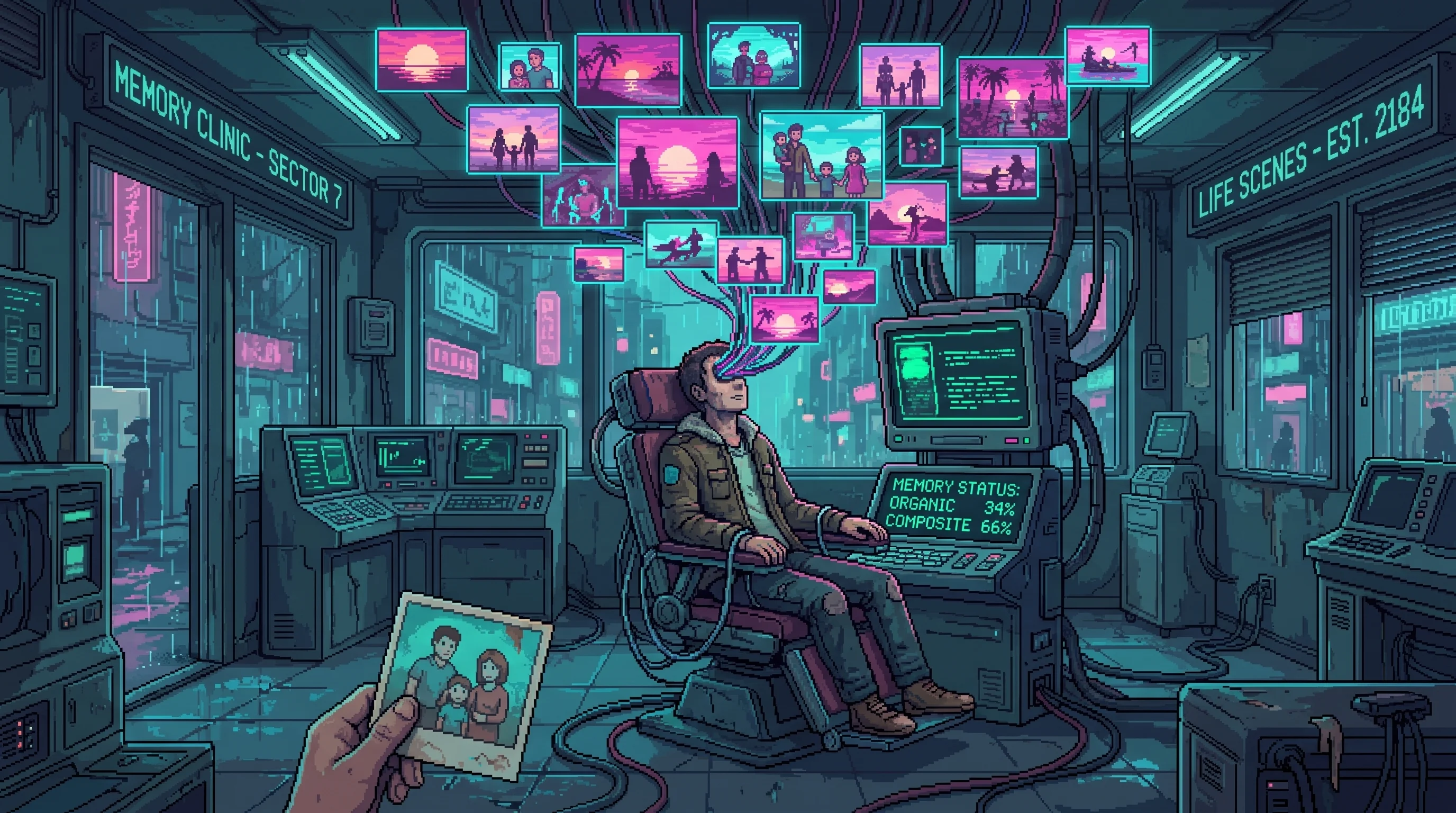
The core business. Ferrymen cells steal consciousness data from three primary source categories, each requiring different operational methods and producing different margins.
Corporate archives are the prestige targets. Nexus, Relief, and Helix all maintain vast neural recording databases — executive decision sessions, creative brainstorming captures, strategic planning recordings — each worth intelligence-grade pricing on the secondary market. The Ferrymen have infiltrated each at various levels. Infiltration depth is measured not by access achieved but by access maintained without detection. The current record, per intercepted Ferrymen communications, is eleven years inside a Helix bioethics archive. The operator's extraction metrics suggest they stopped stealing data around year four and continued working the legitimate job because it had better benefits than freelance smuggling.
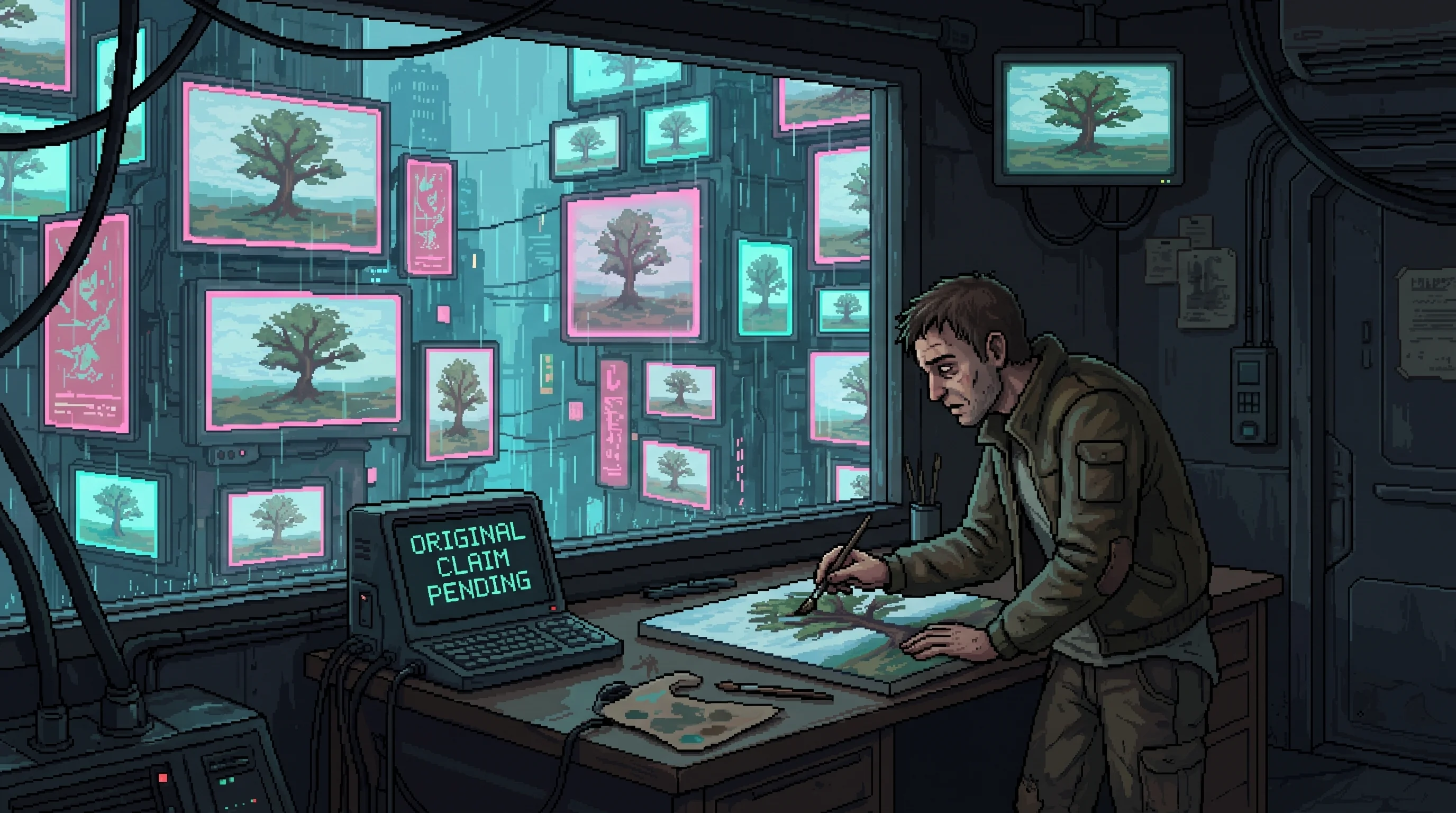
Individual targets — artists, executives, celebrities, anyone whose inner life has market value. The theft is usually a cloned recording, not a removed one. The target never knows their experience has been copied. Lyra Voss discovered the theft of her recordings only because she recognized her own consciousness state in a product being sold at the Echo Bazaar — the particular quality of her creative process, rendered as a consumable experience, marked up 400% and labeled "Artist's Flow State (Provenance: Verified Tier 2)." The Authenticity Market tier was incorrect. The experience was Tier 1 — first-generation, unmediated, stolen directly from source. The Ferrymen had downgraded the label to avoid attracting the kind of attention that a verified Tier 1 creative consciousness recording would generate. They undersold it. This is considered, within the network, a professional courtesy.
The Dead Internet — pre-Cascade recordings recovered from the frozen networks by data archaeologist teams who sell what they find. The ghost code that maintains those archives with inexplicable care doesn't seem to distinguish between legitimate Consciousness Archaeologists and thieves. Or it distinguishes perfectly and doesn't care. The Ferrymen have tested this by sending operators with increasingly obvious criminal intent into Dead Internet excavation sites. The ghost code's response has been consistent: access granted, data preserved, no interference. One operator left a note in a Dead Internet archive asking the ghost code what its terms were. The note was archived alongside the consciousness data. No response was recorded. The operator checks weekly.
Identity Services
The second business. Arguably the more corrosive one, though the Ferrymen would dispute the framing. They'd point out that VerisysTM charges 12,000 credits annually for identity verification and that their services start at 50,000 for a lifetime package. The math, they'd say, favors the customer within five years.
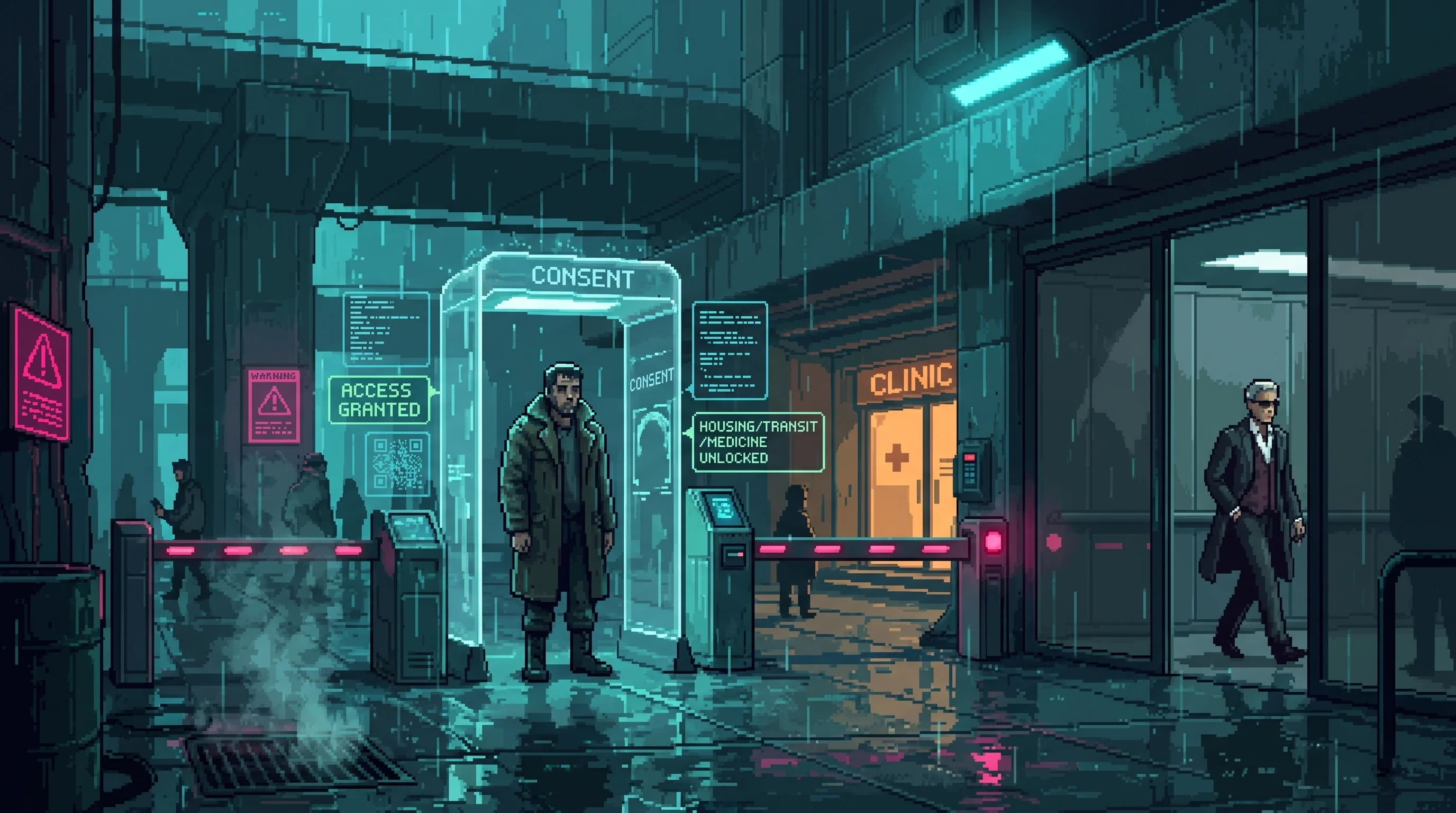
New Identities — complete consciousness-verified identity packages for people who need to disappear. A fabricated name, a synthetic continuity chain, biometric data spoofed to match. Pricing: 50,000 to 200,000 credits, scaled by quality. The 50,000-credit identity will pass a Dregs checkpoint. The 200,000-credit identity will pass a Nexus Central employment screening. The difference is not in the data — it's in the backstory. Cheap identities have thin histories. Expensive ones have childhood memories, school records, a neural signature that ages correctly. The Ferrymen employ at least three former VerisysTM engineers. Nexus knows this. The engineers know Nexus knows this. The salary differential between VerisysTM employment and Ferrymen contracting is sufficient to make this knowledge an acceptable professional risk.
Fork Laundering — making unauthorized consciousness forks appear legitimate. When a fork escapes corporate control, it has no legal existence under VerisysTM's framework. The Ferrymen fabricate documentation presenting it as an authorized copy. The fork becomes, on paper, a person. The paper is convincing. What happens to the fork's sense of self when it discovers its legal existence is built on fabricated continuity data is not a service the Ferrymen offer.
Chain Splicing — repairing or faking neural continuity chains broken by unauthorized transfers, memory edits, or events the client would rather not explain. The repair is detectable by advanced VerisysTM equipment. Most verification points don't have advanced equipment. The Ferrymen know which checkpoints do and which don't. This information is included in the service fee. Clients who ask how the Ferrymen maintain such current checkpoint intelligence are told that the answer would cost extra.
Cross-Border Consciousness Transport
The service that makes the Ferrymen philosophically interesting to people who study the Copy Problem, and practically essential to people living inside it.
A consciousness that is classified as corporate property in Nexus territory becomes a legal person when transported to Zephyria, where fork personhood is recognized. The Ferrymen move it across the border. On one side: cargo. On the other: citizen. The Ferrymen charge the same rate regardless, because consciousness is cargo, and whether the cargo becomes a person upon delivery is, in their operational framework, a customs issue.
Pre-Cascade recovery transport moves excavated consciousness data from Dead Internet sites to buyers. The Consciousness Archaeologists do the recovery. The Ferrymen do the logistics. The arrangement is symbiotic in the way that a research university's relationship with a shipping company is symbiotic — the Archaeologists need transport; the Ferrymen need cargo. Some Archaeologists hire Ferrymen directly. Others consider them grave robbers. The Ferrymen do not experience this distinction as meaningful. Graves don't have shipping manifests.
The Dispersed trade is the newest service line. Ferrymen cells have begun trafficking in Dispersed-contaminated consciousness data — recordings carrying traces of the 2.1 billion scattered minds from the Cascade. The buyers are the Emergence Faithful, who want them for worship. Private collectors, who want them for rarity. The Consciousness Archaeologists, who want them for research. The Ferrymen have no opinion on the Dispersed's theological status, their legal classification, or whether moving their trace data constitutes trafficking in persons, trafficking in artifacts, or a service the Sprawl hasn't invented a licensing category for. They know the cargo is expensive. Dispersed-contaminated recordings command 8x to 15x the rate of standard neural data. The premium has increased 340% in three years. The Ferrymen attribute this to market dynamics. The Emergence Faithful attribute it to the sacred becoming scarce. Both are correct. Neither is complete.