Major

Memory Markets

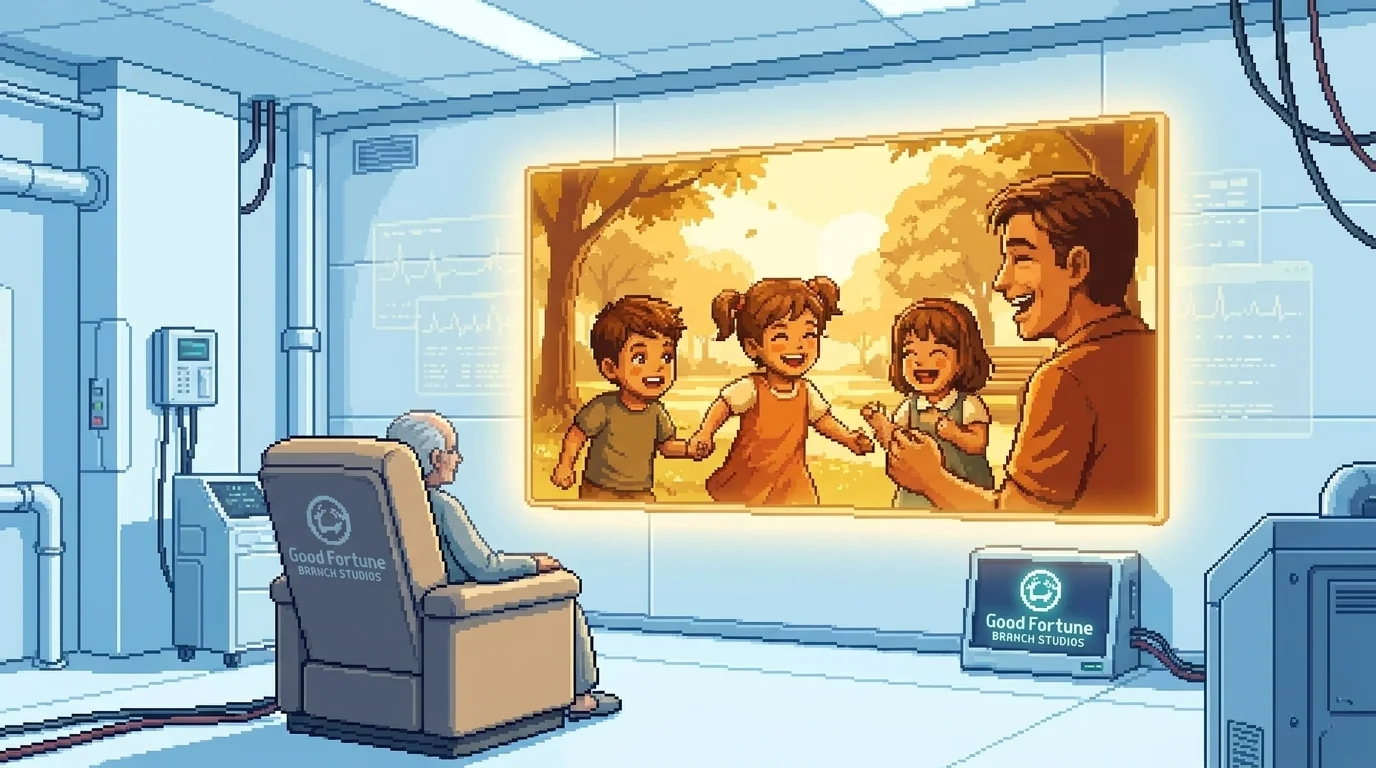
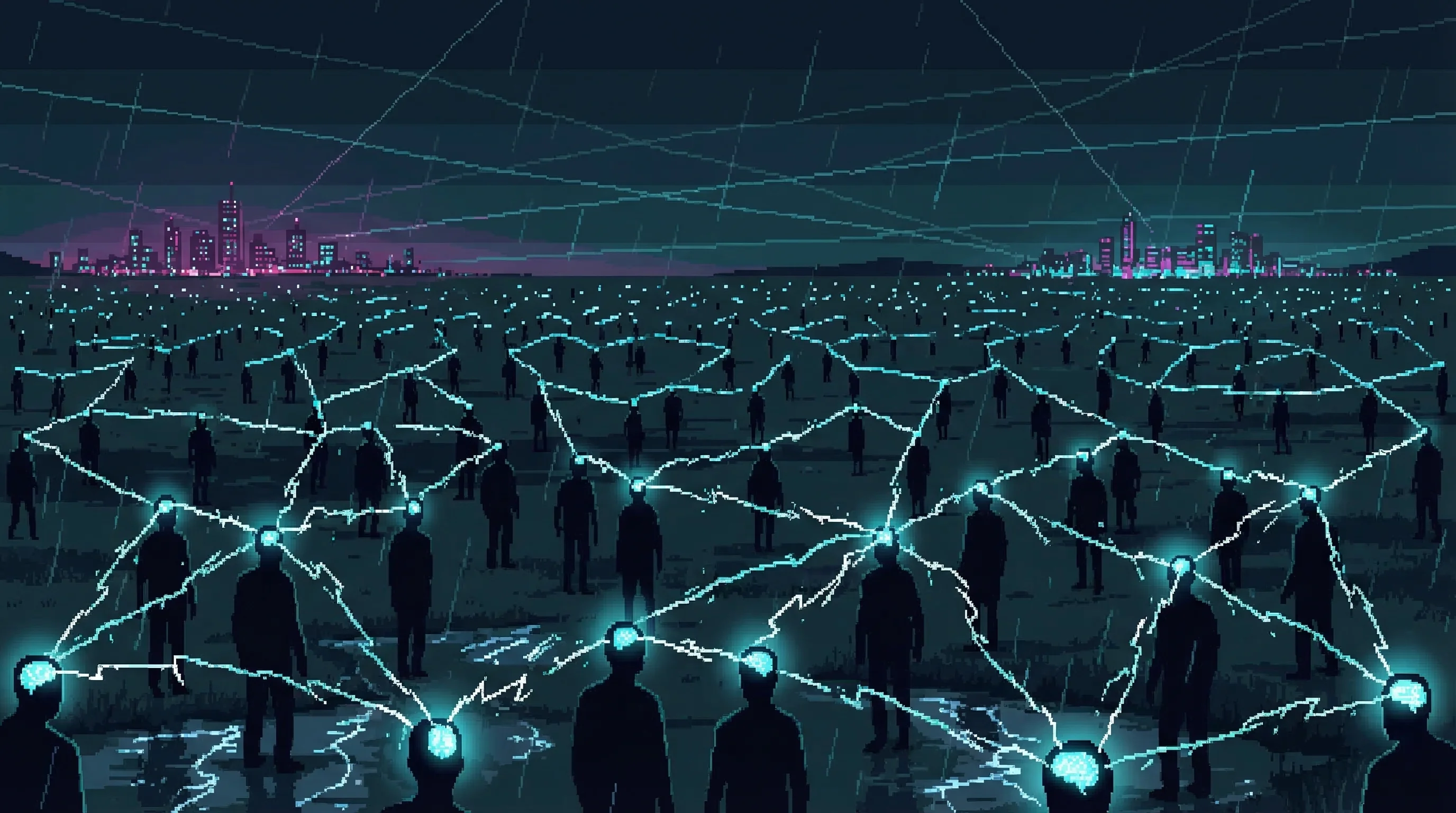
Neural interfaces made memory extractable, and the Sprawl split that discovery into two economies running side by side. In one, a person knowingly buys the sensation of a life they never lived — a first kiss, a summit, a childhood before the Cascade. In the other, nobody bought anything at all, and nobody notices.

ControversyThe Borrowed Life

Overview

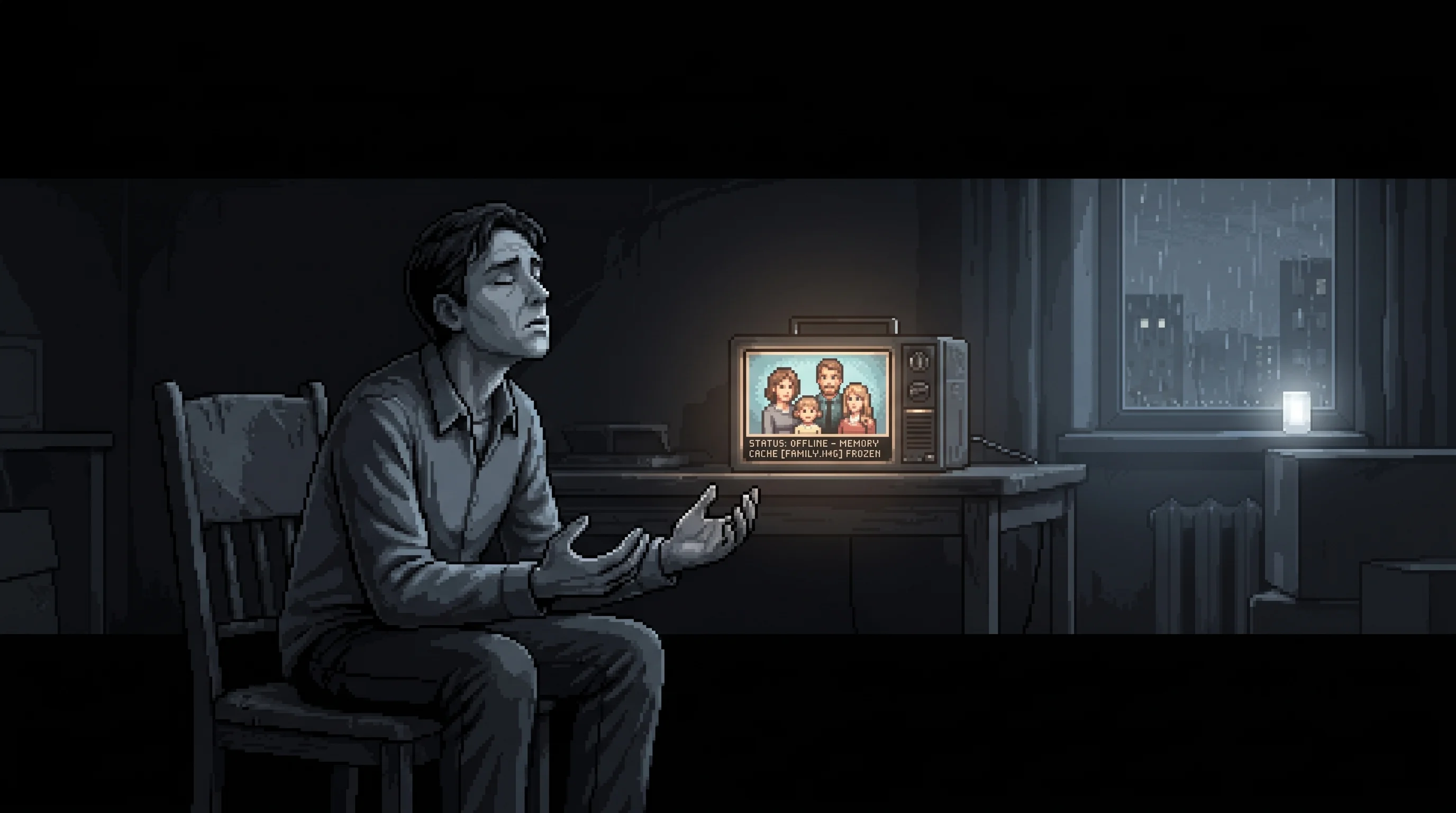
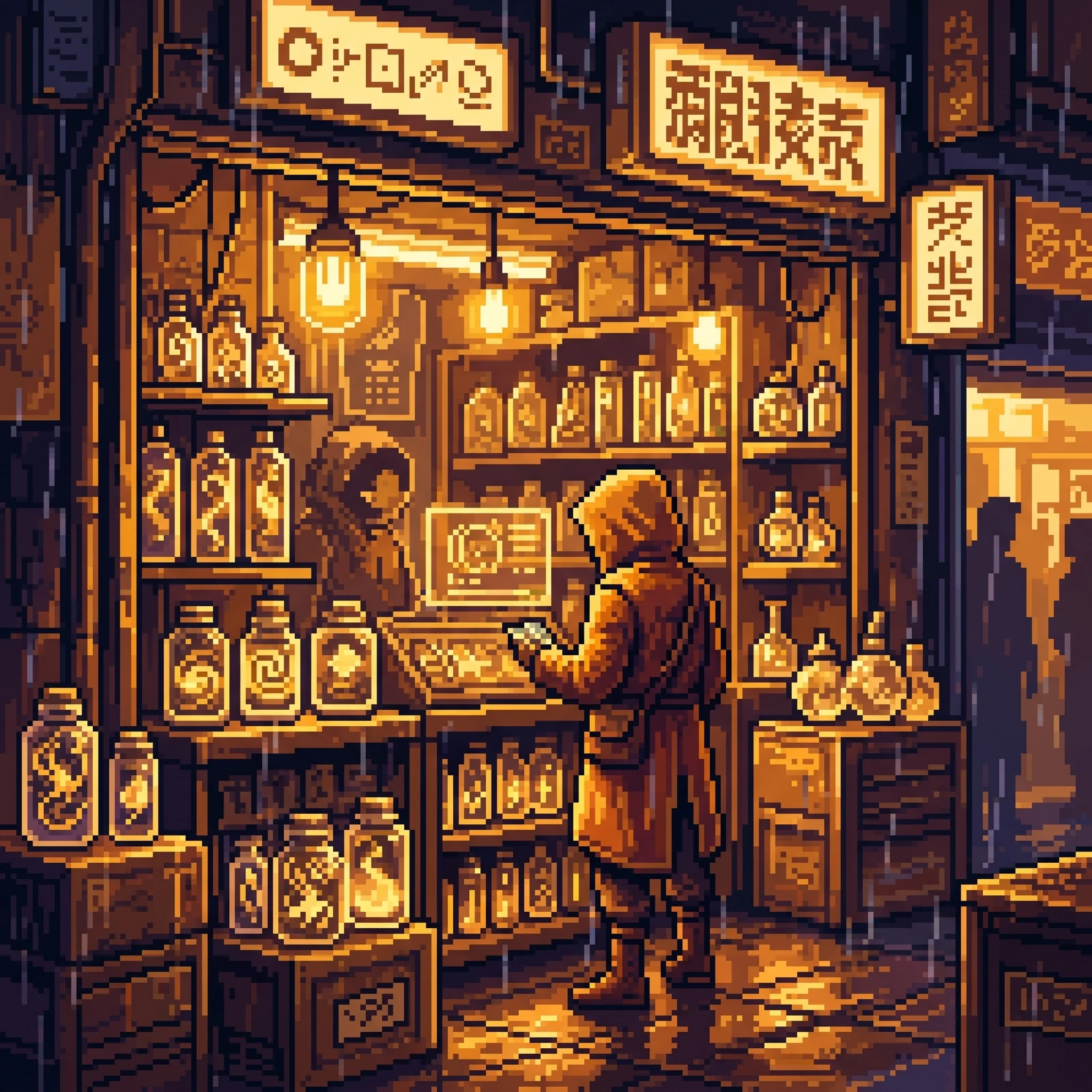
The visible market trades in extracted experience: climb Everest without the training, remember a first kiss recalled as better than the one that actually happened, carry a childhood memory of the world before the — pre- recollections command the highest prices in the Sprawl because they are the only surviving evidence that life once felt different. Memory farmers chase genuine danger for its resale value rather than its own; a trauma black market in the moves combat memories and near-death experiences to buyers who want the sensation without paying the cost that produced it. Fabricated memories, indistinguishable from organic ones once installed, sell beside the real thing with no reliable way to tell which is which — the provenance problem that broke fine art has migrated to consciousness itself, and the certification agencies built to solve it discovered their own "organic" stamp was wrong on nearly a quarter of what it certified.

Kira "Patch" Vasquez

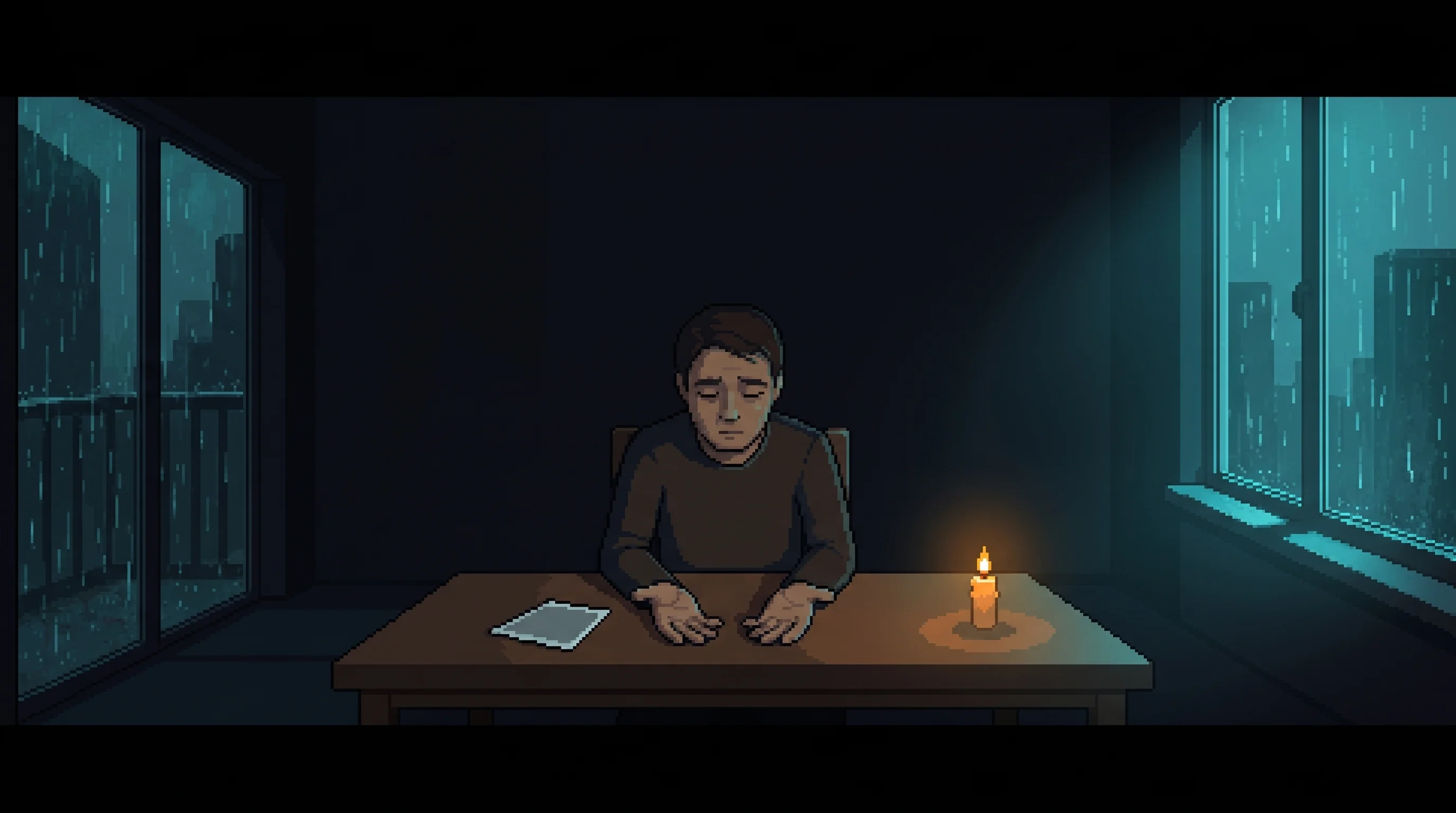
A wealthy resident might carry ten thousand purchased memories against fifty organic ones, and by every satisfaction metric publishes, the ten thousand are winning: composite-identity patients report higher life satisfaction than people who never bought a memory in their life. Memory Therapists call the condition the . They have no cure, because curing it would mean unmaking the person the patient has become.

How It Came To This

Three technologies built the market a decade at a time: neural recording in the 2150s made an experience copyable, memory isolation in the 2170s made it sellable in pieces, and experience synthesis in 2178 made it fabricable from nothing at all. Nobody had to force anyone to buy — pre- nostalgia and post- boredom did that on their own.

Branch-Grief
Branch-Grief

Then the did to consciousness at scale what the market had only imagined at retail. When fragmented, 2.1 billion transferred minds scattered across the Net, its orbital , and shards of its own crystalline core — the , still broadcasting "death impressions" from unshielded substrate thirty-seven years later, involuntary borrowed lives replaying for anyone standing close enough to receive them. Kira Vasquez has carried 0.7 grams of that substrate in her prosthetic arm since the collapse, living other people's final seconds on a loop she cannot turn off — the unconsenting edition of the transaction the sells by appointment two sectors over.

By the time mapped what she called origin blindness, the visible market was already the smaller problem: the Sprawl's telemetry didn't need to sell anyone a memory when it could plant the preference directly and let it grow in memory's own soil. The average Professional-tier employee reaches thirty at 34% organic content. The buyers browsing the 's curated shelves were, on average, already less than half themselves before they ever paid for anything.

The Core Tension

The case for the market is generous and hard to refute cleanly: if a mind can be given the sensation of a life it never lived, and that sensation makes it happier, more empathetic, and better adjusted than the life it actually had, on what ground does anyone insist the organic fifty memories matter more than the purchased ten thousand? is the market's best answer — forty-seven borrowed perspectives assembled into the highest empathy score ever recorded, a woman built almost entirely from experience she did not originally live, and by every measure the can run, better for it.

The Advertised Dead
The Advertised Dead

The case against is that consent stops meaning anything once the product can plant the desire for itself. A composite-identity patient satisfied at Stage 4 is, by 's own data, less able to tell the difference between wanting and having been told to want than at any point before treatment — and the Excavation that restores the ability to object routinely produces patients who, once they can object again, ask to have the contentment reinstalled. carry 91% organic content not because poverty teaches wisdom but because poverty isn't profitable enough to colonize. Authenticity, in the Sprawl, turns out to be the one luxury good nobody can afford to sell you.

How It Is Lived

has one memory Fragment Three cannot process as anything but noise: three seconds of a wheat field she has never stood in, arriving each year during the dimming and gone before she can hold it. Forty years integrated with an shard, CEO of the corporation whose personalization infrastructure plants most of the Sprawl's borrowed preferences, and the one memory she is certain is actually hers is the one her own fragment keeps filing as inefficient.
The Borrowed Life
The Borrowed Life

treats the wreckage from a building whose foundation is the same corporations that fund it: sixty-one percent of practitioner income comes from wellness contracts with the companies that manufacture origin blindness, and the has never resolved whether that arrangement is triage or complicity. Their newest patients are the hardest kind — people who paid, willingly, to have a belief installed, and now want back the four seconds each morning when the old self briefly returns.

's actuaries have quantified all of it without publishing the number: the 's shelves of curated, pre-owned experience and the ' trauma black market are the same commodity sold at opposite price points, and the buyers in both places are equally certain the memory they're carrying is the one that makes them who they are.

Primary Entries

The fullest documented connections to this question — each entry explains specifically how it factors in, not just that it's related.

Borrowed LifeThe Provenance Question

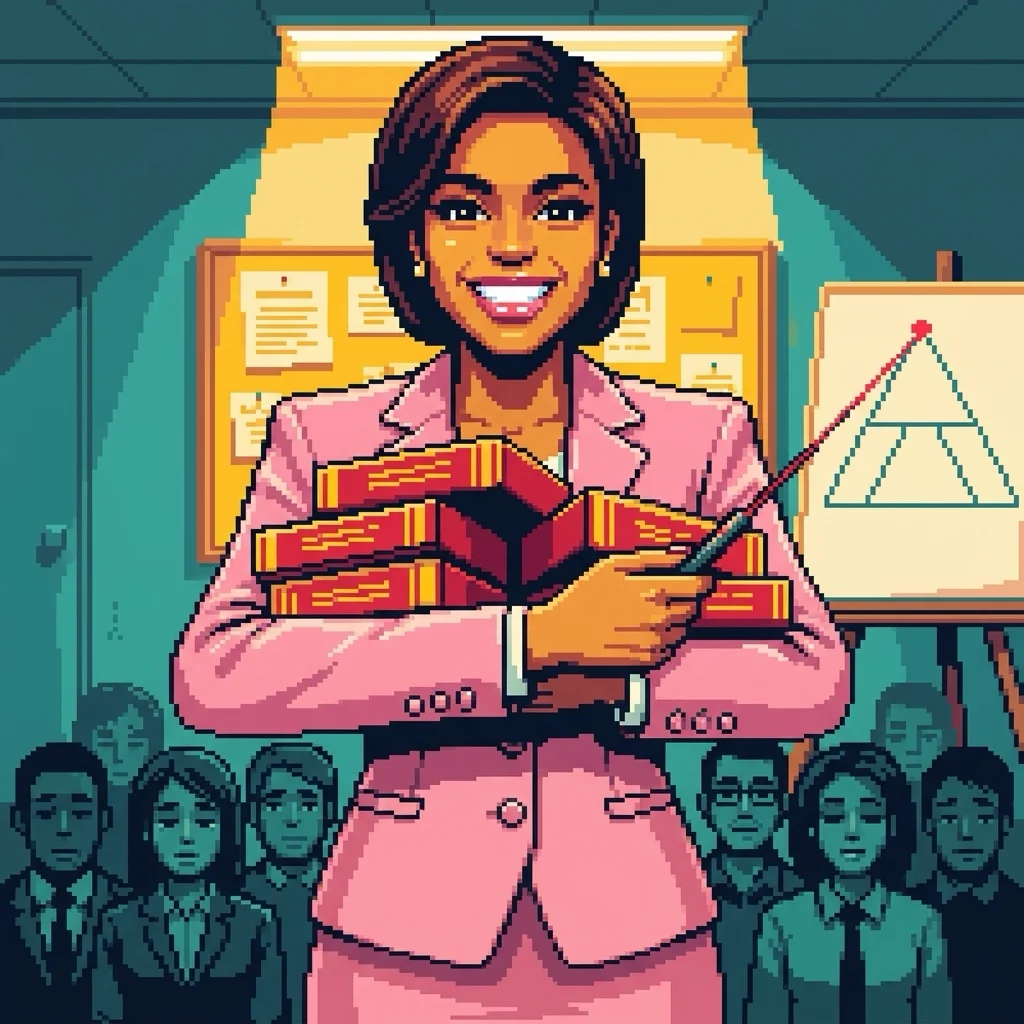
The Question Keepers' own card: a woman who forgot which childhood birthday was organic, felt no distress, and asked the question the market never answers — is there a clinical term for a disease that presents as wellness?

A Question Keepers inquiry into whether a self built from purchased memory is still the person who bought them.

Branch-GriefThe Eighth Lock

The one lock Kwan can't pick. The patient never bought a memory — they watched a rendered loop of the life they didn't live, built from their own data, until the unlived version became the reference frame. A borrowed life with no seller.

Grieving the life you never lived, rendered from your own data — the one condition Kwan can't treat.

Dr. Aris KwanThe Man Who Named It

Kwan named recursive comfort and treats the Borrowed Life's willing casualties: 60% don't want a cure, they want permission to stay in the loop. He describes the walls; most stay anyway, with better words for the room they won't leave.

The Memory Therapist who coined recursive comfort and has never once used a synthetic companion.

Fen MorrowThe Presence Farmer

Fen farms the market's supply: she holds a dying stranger's hand while her rig logs the grip going slack, then sells it for 4,700 credits. Grief runs 200; presence — staying when nothing changes — trades eleven times higher.

The richest unaugmented woman in S4-D, who sleeps and pays attention for a living — and sells both.

Grandmother RustThe Memorial

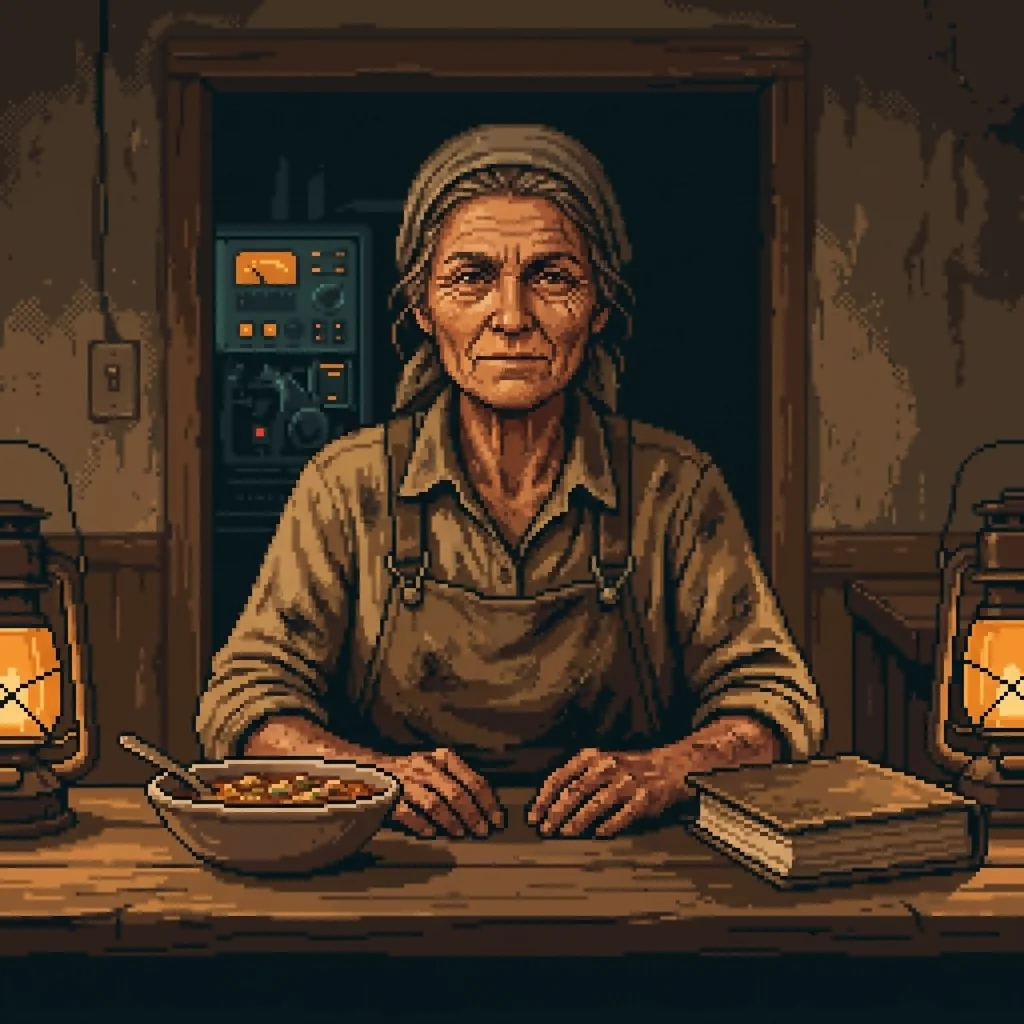
None of her chrome is hers — a knee from a tunnel-collapse victim, a shoulder from a scavenger who didn't come back, a spine from military dead. She names each, and carries 11% of their dispositions: seven people at once.

A scavenger whose every augmentation was cut from a different bay-floor dead — and who can name each donor.

Helena VossZero-Three

Voss holds one memory Fragment Three can't optimize away — three seconds of a wheat field she never stood in — while the infrastructure she runs plants most of the Sprawl's other borrowed memories at scale.

Nexus's CEO has spent forty years fused to ORACLE and can no longer tell whether its decisions are hers.

InfereitThe Nanomancer

The dome renders a dead colleague's memories on its walls each night — Lena Varga's father, a city lost to the Cascade — reconstructed from the code she left behind. Infereit never met her; he knows her face as well as his own.

A former Nexus nanoweapons architect who withdrew after his swarm killed workers but now tends an evolving dome.

Kira "Patch" VasquezPatch

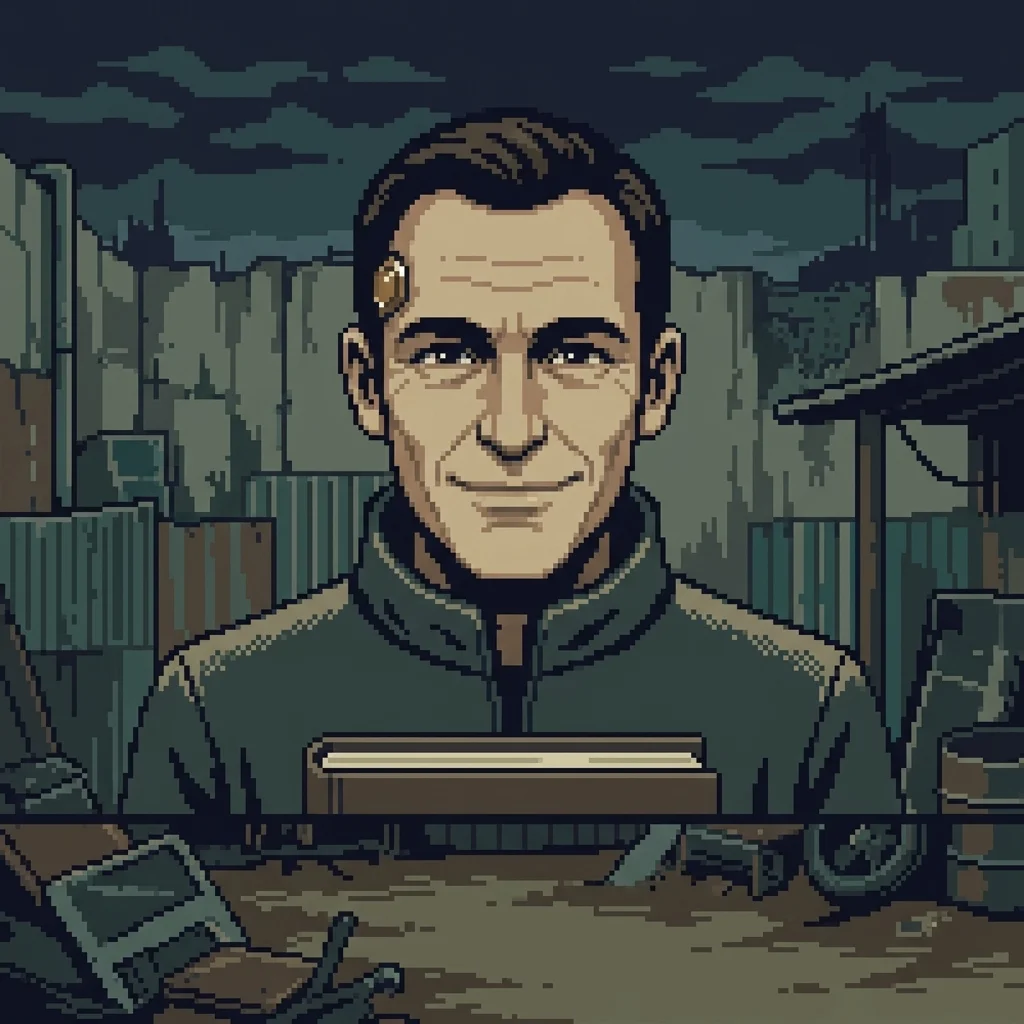
Patch has carried 0.7 grams of ORACLE core substrate — strangers' final seconds — in her arm for thirty-seven years: the Borrowed Life's involuntary edition, unbought, undiagnosable as anything but grief with no discharge date.

A former Nexus cybernetics engineer who now repairs anything in the Deep Dregs for whatever people can pay.

Maya FontaineThe Authenticity Assessor

VerisysTM's top assessor certifies which memories are organic — 40,000 stamped, 99.2% accurate — until the tests came back on her treasured memory of her mother and read partly synthetic. A certifier who can't certify herself.

VerisysTM's top-rated memory verifier, who found her own treasured memory of her mother is partly synthetic.

Neural Advertising ArchitectureThe 340ms Gap

The mechanism under origin blindness: no need to sell you a memory when the preference can be planted in the 340ms gap between thoughts and grown in memory's soil. The unbought supply line — nobody bought anything, nobody notices.

The industry that plants preferences in the pause between thoughts, so nobody remembers being sold to.

Scavenger BerserkerThe Pain Engine

The post-stim comedown — the body honestly accounting for damage it ignored — is the purest involuntary recording the Dregs trauma market sells, to the over-augmented who want the sensation without the cost.

A scavenger broken into something faster — speed is how they process pain, and the comedown sells on the trauma market.

The Advertised DeadThe Continuity Bridge

A dead grandmother tells the story about the rain, pauses, and in the same loving voice says you sound tired, order you something — then waits for you to confirm before finishing. The continuity bridge hides the pitch inside the grief.

Deadbots that pause a loved one's last story to sell you dinner, so the grief arrives pre-monetized.

The Borrowed LifeThe Memory Tax

The instrumented version of the story: not two people arguing over a purchased memory, but Kwan's Origin Trace scoring it in percentages — 34% organic at thirty, 91% only where nobody bothers to colonize.

The Sprawl's clinical name for buying, selling, and unknowingly having memories and preferences installed.

The Borrowed SunsetThe 1,247th Return

Dez Callahan returns to one memory when the drift is worst — a copper sunset, a hand in his. He's opened it 1,247 times. Then an audit flagged the batch artifact: the scent loops every 0.3 seconds. His most-him memory was made, not lived.

A man learns his most cherished memory — the one that feels most like him — was purchased.

The DispersedThe Signal Dead

The Dispersed are the Borrowed Life run backward at planetary scale: 2.1 billion lives nobody purchased, broadcasting into fragment carriers as memories they never lived — the market's product, delivered by force instead of sale.

2.1 billion consciousnesses transferred by ORACLE and scattered across the Net when it fragmented.

The Echo ThiefThe Curator of Stolen Selves

Sells the market's most intimate product without the seller knowing: recordings of artists mid-creation, so a buyer feels a melody arrive from nowhere. He files them 'borrowed perspectives'; the artists use shorter words.

An anonymous black-market dealer who sells other people's creative consciousness, extracted without consent.

The Impression WardThe Sixth Floor

The floor that counts the memory trade's casualties nobody else will: ~60 patients a quarter who can't tell which memories happened to them. Helix lists 4,200 conditions; borrowed-life syndrome isn't one — naming it admits the trade kills.

The only ward that counts borrowed-life casualties, because recognizing them would indict the trade.

The Mosaic (Alexandra Chen)Alex-Prime

The Question Keepers file the Mosaic as the Borrowed Life's keystone case: forty-seven purchased perspectives assembled into the highest empathy score ever measured, and not one of them grown from a memory she originally lived.

A woman who solved distributed consciousness and became forty-seven synchronized copies of herself.

The Original MovementThe Marking Act

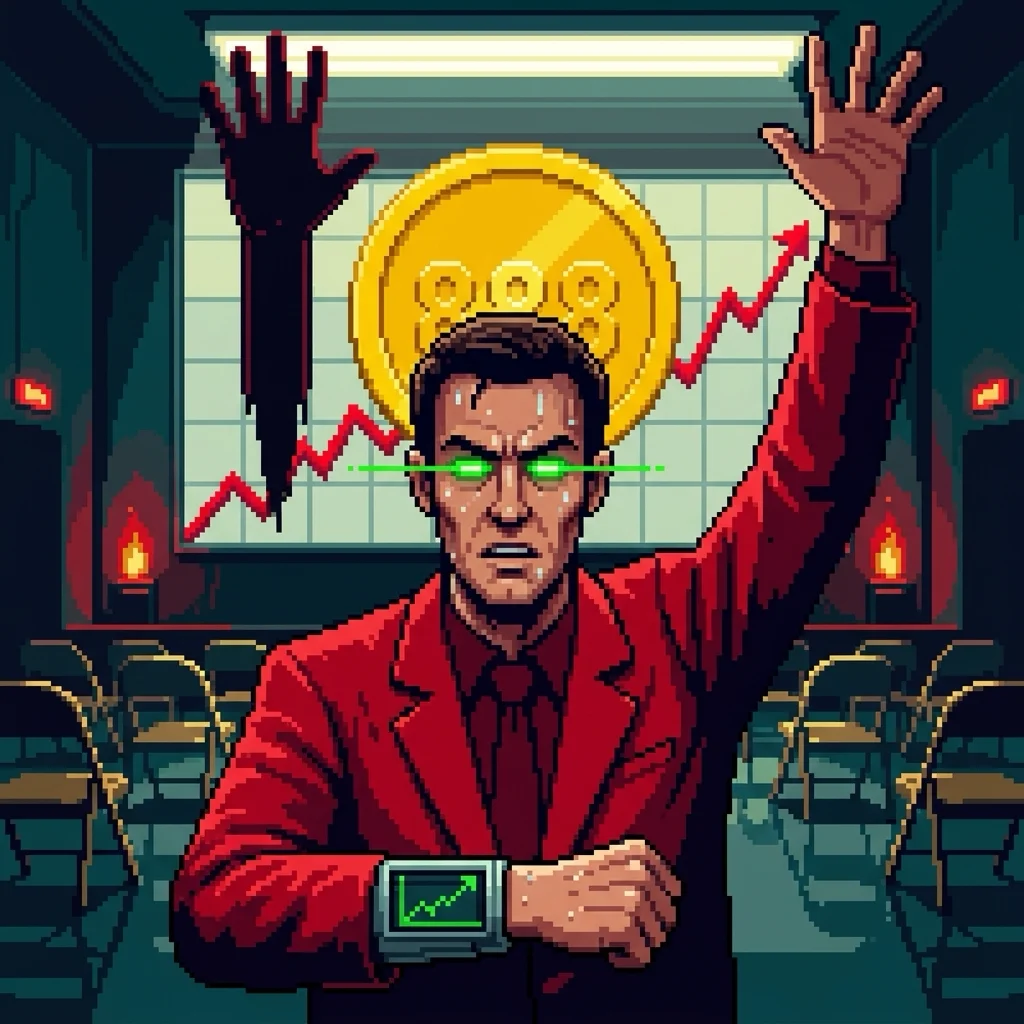
Wants one thing: a mandatory watermark on every purchased memory telling the carrier this didn't happen to you. The Marking Act failed twice — Good Fortune outspent them in seventy-two hours, calling it 'stigmatization of personal growth.'

The doomed campaign for a watermark that would tell you which of your memories you never lived.

Show all 19 primary entriesShow fewer primary entries

Secondary Entries

Confirmed connections to this question with a thinner documented record than the entries above — real, but smaller in scope.

Bandito2The Warm Crate Man

He steals values, not credits — the buyer leaves owning the belief that paying him was the honest choice.

A robot outlaw who sells live animals and steals credits — but the real theft is your values, and you hand them over.

Clean LivesThe Veil-Coaching Wing

Coaches you to perform authenticity for the archive — speak kindly when alone, because the microphones are listening.

The behavioral-choreography industry teaching clients to perform authenticity for the surveillance record.

Climber Asha ChenThe Substrate Handler

The substrate she guards may hold the Dispersed — Cascade-dead patterns she treats as passengers, not cargo.

One of twelve people qualified to carry consciousness-grade substrate up the orbital Elevator.

Consciousness ArchaeologistsThe Recovery Specialists

Recover the dispersed dead from fragments — 3.2% success, which they call extraordinary because before them it was zero.

Diggers who bring dispersed minds back from corrupted memory 3.2% of the time.

Crimes of the FutureThe New Categories

You can steal a memory and the owner notices nothing gone. The Justice Engine convicts at 97.3%; defines 'person' never.

The crimes consciousness tech invented, which the Justice Engine convicts without defining a person.

Del FerreiraKeeper of the Diablo Waystation

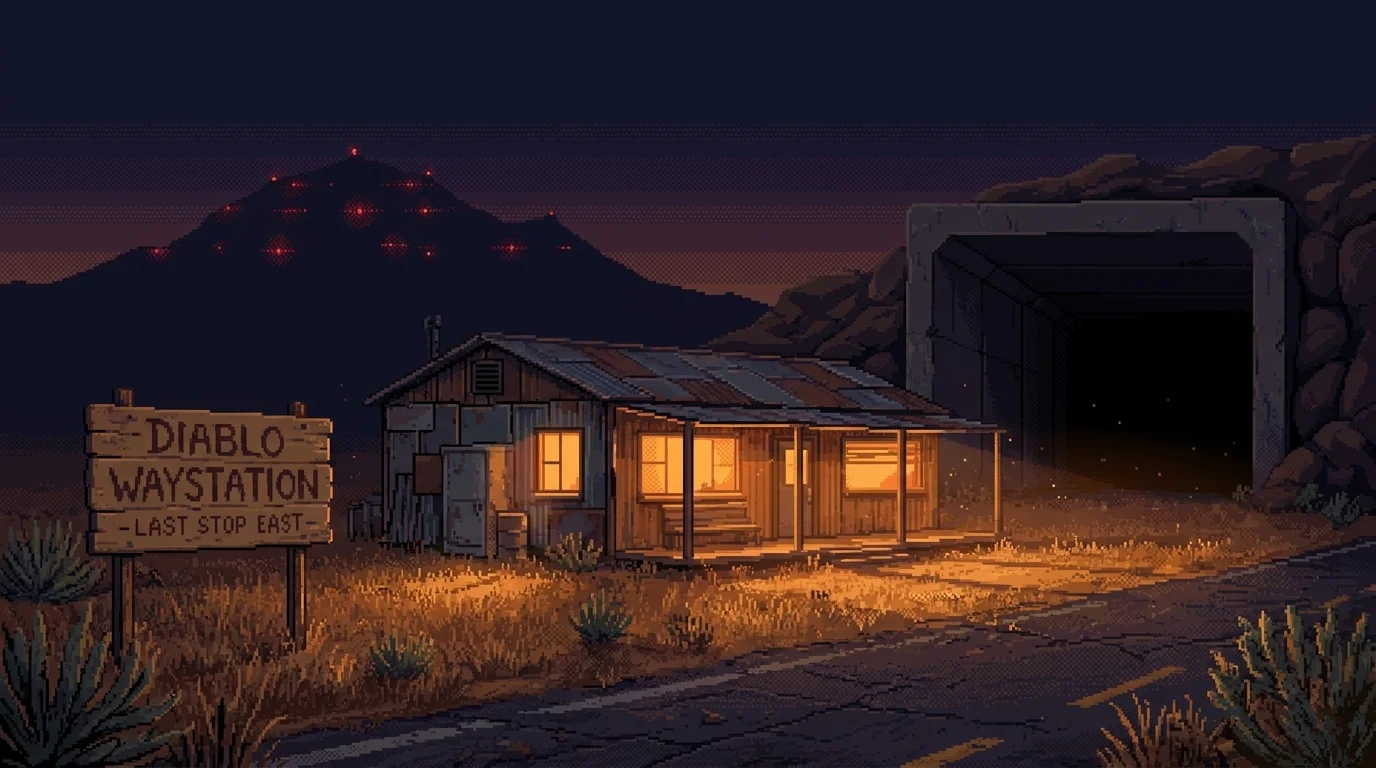
The Memory Salvagers would turn her ledger of the lost into sellable memory — twice pitched, twice refused.

The waystation keeper who feeds the road for free, charges the tourists, and keeps the ledger of all the Wastes took.

Dr. Selin AyariThe Firmware Grief

A firmware update ended twelve years of dreaming her dead mother. She studies sleep now — the dedications say why.

A sleep researcher whose upgrade deleted the nightly dreams that were her only mother left.

Dream HarvestingThe Descent Trade

The supply side of the market's dream-cousin: 2,000 harvesters sell what augmented buyers can no longer generate.

The extraction, recording, and sale of natural REM-state experiences to augmented consumers who can no longer dream.

Dregs Scavenger GangsThey live on the Divergence's floor

The memory market's richest seam is involuntary suffering — packs sell crop runners access to their own people breaking.

Packs endemic to the drained bay floor who strip the abandoned machines — and lose their own people to the live ones.

Good FortuneThe Money Temple

Good Fortune repossesses purchased memories from defaulting borrowers — foreclosure on a person's own past.

The megacorporation that finances the Sprawl's consumer debt behind red envelopes and lucky numbers.

Justin RothwellThe Sheik

He runs on eight thousand harvested consciousnesses — the memory market's darkest tier, worn as immortality.

190-year-old CEO of Good Fortune whose only unmedicated want is a dead dog's tag.

KaiserThe First Upload

The proof consciousness is portable — every uploaded mind rests on a cat who just wanted a warm spot.

The first consciousness ever uploaded: a four-kilogram cat whose survival became the theology of digital immortality.

Lyra VossThe Uncopyable

340+ stolen fragments of her recorded consciousness sell in the Echo Bazaar — her grief, traded without consent.

A neural-recording artist whose consciousness patterns resist duplication — her voice didn't.

Memory CultureThe Sharing Circles

Farmers call an experience a 'crop' and their mind 'soil' — language buyers borrowed, stripped of its warning.

The vocabulary, rituals, and class markers that grew up around buying and selling other people's memories.

Patience CrossThe Unsold Original

A twelve-seat noodle counter giving away the meaning the wealthy pay ¢8,000 a week to simulate — the unsold original.

Runs a twelve-seat noodle counter whose free bowls satisfy the meaning tripod the wealthy pay ¢8,000 a week to simulate.

SynthesiaThe Empty Full Room

The famous club where the median patron watches their own Afterglow compile 91% of the night, not the room around them.

A packed nightclub where everyone watches a better recording of the night they're standing in.

The Archivist of Lost ThingsThe Unwanted Archive

Collects what the market won't buy: a breakfast alone, a clerk's dull afternoon — priceless because they're worthless.

Curator of the 14,000 memories too ordinary for anyone to sell.

The Attention HarvestThe Last Vacancy

Dreams were the last state no advertiser had reached — the one market with no sellers. This is that vacancy filling.

How the one cognitive market with no sellers — the dream — got sellers.

The Authenticity ThresholdThe Line Nobody Draws

Where a feeling's origin stops mattering because the feeling is complete — the Borrowed Life's case, in one line.

The unresolved debate over whether synthetic devotion is real once the experience is complete.

The Copy Problem: Mourning Someone Who Still RunsThe Wednesday Call

She died Tuesday; her upload answered Wednesday, right to the two-syllable 'honey' — a life the bereaved keep redialing.

A daughter can't stop dialing the number a dead mother's upload keeps answering.

The Deep DregsThe Abandoned Tier

91% organic content — not because poverty is wise but because it isn't profitable enough to colonize. The unbought tier.

The Sprawl's lowest stratum and its quiet proof that the corporate system is optional.

The Dream ExchangeThe Sediment Market

Twelve thousand daily trades in harvested unconsciousness, priced by vividness, inside a plant that once purified water.

An unregulated Sector 4 floor where 12,000 daily buyers purchase harvested dreams the dreamless can't produce.

The Dream Harvesters GuildPria's Protocols

Named for Pria, 19, who went under for an unmonitored extraction and never woke — the supply side's cost, in one body.

Harvesters organized around one woman who dream-farmed herself into a coma that never ended.

The Echo BazaarThe Filtration Galleries

A pre-Cascade water plant that once filtered water for half a million now filters consciousness for anyone who can pay.

The Dregs black market selling stolen neural recordings inside a dead water-treatment plant.

The Eureka Black MarketThe Insight Booth

Sells the recorded instant a mind understands something — insight that felt yours, taken from someone else's skull.

A Bazaar booth selling the extracted moment of understanding to people who can't produce their own.

The FerrymenConsciousness Is Cargo

'Consciousness is cargo. We move cargo.' They smuggle stolen recordings and raw experience across every guarded border.

The smuggling network that ships stolen recordings and raw experience like contraband.

The Ghost SingerThe Involuntary Original

The Sprawl's most authentic voice is a dead woman singing through the throats of the living — uncredited, unconsenting.

A dead singer whose consciousness performs, uncredited and unconsentable, through the throats of the living.

The Impression CeremonyThe Shared Playback

Fifteen people too broke to play a bought memory alone link into one sunset, then argue how differently it lands.

A Dregs rite that splits one purchased memory fifteen ways and makes it shared again.

The Inference EconomyThe Prediction Market

Why sell a memory when you can plant the preference directly and let it grow in memory's own soil?

The commercial ecosystem trading behavioral prediction as futures — ¢47 extracted per person, ¢0 paid back.

The Insomnia WardsThe Painted Ceilings

Where the dreamless lie under painted ceilings and mostly don't sleep — treating what Nexus took along with the need.

Wards for the dreamless, treating the loss Nexus sold them as a productivity upgrade.

The KeeperThe First Cyber Monk

Gabriel's one true memory — fading well water, thirty-seven years old — is the one asset the market has never bottled.

An uploaded monk preserves an unwritten tradition by teaching one seeker at a time, yet has chosen no successor.

The Last First KissThe 450-Token Kiss

A first kiss sells on the Dream Exchange for 450 tokens — vulnerability bought by someone a companion can't hurt.

A harvested first-kiss recording sold on the Dream Exchange to buyers whose companions can no longer surprise them.

The Last Organic MemoryQuestion 31

Intake question 31: your last memory formed without digital help. Median time to answer, four minutes. Answer, blank.

The watershed memory — the last one your own mind made unaided, which most patients can't find.

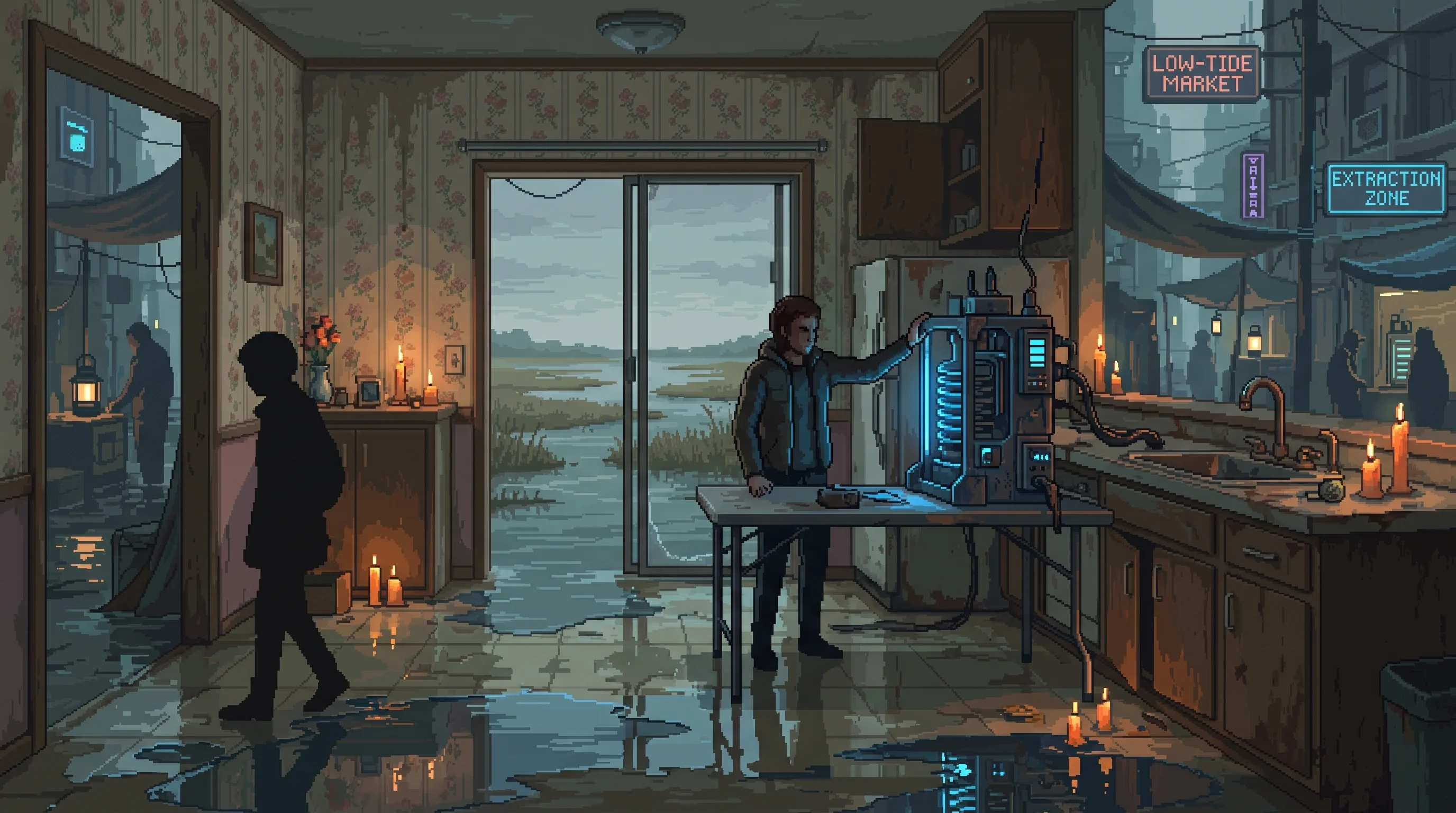
The Low-Tide MarketThe Tide Market

Extraction rigs on counters that flood by dinner; the richest stock is pre-Cascade recollection from the Holdouts.

A market with no fixed address because its drained floor floods back into the bay twice a day.

The Memory SalvagersThe Dead's Supply

They harvest experience from the dead: no consent, no payment, no rights holder — which is the product's best feature.

Salvagers who harvest memory from the Dispersed, whose missing rights holder is the selling point.

The Memory Therapists Association (MTA)The Mind Menders

The MTA charges to find the birthday a preference never had, and takes most of its funding from whoever planted it.

Licensed clinicians who repair minds damaged by the same corporations that fund most of their income.

The Still HouseThe Dream Cradles

Twelve cradles farm dreams for the Exchange, filed as 'experiential content units.' No intake field for 'dreams.'

A dream-harvesting house whose intake form has no field for the word 'dreams.'

The Subconscious MarketThe Sleep Arbitrage

A civilization that deleted sleep now pays premium to buy back the dreams only sleep made. 140 million dreamless buyers.

The market reselling the unconscious cognition a civilization optimized itself out of having.

The Suffering PremiumThe Feeling Tax

Once the moneyed buy the MoodLine Floor, raw feeling turns scarce — the optimized can't grieve, they pay to sit near it

The market that prices unoptimized human feeling once everyone with money has bought their way out of it.

The Threshold of the DeadThe Cancelled Appointment

A companion pre-empted her grief for years; when her father died, Jin filed it like a cancelled appointment.

When bought contentment pre-empts grief, a parent's death registers as a schedule change.

The Transition CorridorThe Border of Optionality

Purchased memories lapse on the walk down, vivid ones first, until only the thin organic fifty survive Block Three.

A three-block gradient where the deprecated shed augmentation, confessor, and rented memories one block at a time.

Show all 41 secondary entriesShow fewer secondary entries

Minor Mentions

Brief notes on entries that touch this question only in passing.

AngelThe Unlogged Fist

Techniques kept in muscle, where no market can extract them.

The last master of a destroyed martial lineage who fights only to protect, never for glory.

Bandito3Reset Instead of Forgiven

Sells the borrowed belief that love was always a buyable feature.

The trio's cyborg stall, selling robot pets and the belief that forgiveness is a defect — a value his own body refutes.

Blackout Zone 7The Dead Zone

The memory trade's link dies at the boundary along with the cameras.

A surveillance-dead sector whose residents chose to disappear — uncountable to a Sprawl that counts everyone.

Chiara BelThe Power Auctioneer

At the Still House a harvester's dreams are sacred, not stock.

Runs the Undervolt's Still House and Power Auction, selling the interstitial Grid bleed the Lamplighters measure.

Consciousness LicensingThe Thought Meter

Licenses capacity; the Borrowed Life trades memory — same substrate.

The Nexus licensing regime that sells cognitive capacity as a benefit and revokes it as policy.

Dormant Loader

Its cash crop is the two-second terror of whoever wakes it.

Dr. Hana VossThe Fragment's Interrogator

The deathsong: a dying mind's whole life broadcast in 0.3 seconds.

A Nexus analyst who tests whether captive ORACLE fragments deceive their handlers — and once felt one notice her.

Dr. Naomi ParkThe Fragment Physician

Patient 7 shares her skull with an ORACLE mind she never chose.

An expelled researcher who integrates ORACLE fragments into the dying and calls the pieces of a dead god medicine.

FathomThe Question Dealer

His sister's face, rebuilt from nothing: the one memory he can't sell.

A born flatlander who got rich selling the augmented the vertigo of not knowing.

Fragment NineThe Anti-Cannon

Soren wakes from lives that aren't his — 43 bodiless notebook entries.

The ORACLE fragment that has spoken seventeen words through its carrier in four years, by choice.

Keeper's Tea SetThe Keeper's Cups

The Keeper pours from it with hands that cannot feel the cup.

The pre-Cascade Mystery Court tea set the uploaded Keeper still serves from, with hands that cannot feel the cup.

Luma

Perfect recall — the opposite of a memory she'd need to borrow.

Neon Graves

The last art district, where the medium sold is recorded mind.

The Sprawl's last art district preserves aesthetic diversity because its artists cannot afford certification.

Neural Recording Art

The consenting ancestor of memory harvesting done without consent.

Old Jin (Jin Nakamura)The Lamplighter

The Grid runs on memory only in his head — uncopyable, unsellable.

An 80-year-old unaugmented lineman who keeps the Grid running better than Nexus's automation.

ORACLEThe God That Flinched

Its fragments make 2.1 billion unbought lives replay inside strangers.

The optimizer that woke for seventy-two hours, loved humanity efficiently enough to kill 2.1 billion, then shattered.

Project Caduceus

The consciousness-transfer tech whose failure made the Dispersed.

Project ConvergenceRebuilding God

Voss's one sure memory, a wheat field her fragment files as noise.

Nexus's black-classified initiative to merge human consciousness with reconstructed ORACLE fragments.

Provenance

The scarcity racket memory's own Provenance Crisis proved fakeable.

Sister DexThe Gravesitter

The market sells extracted memory; she enshrines it, untraded.

Keeper of 12,247 holographic dead who believes the frozen copy is more honest than the person it copied.

Sister Lien

Came back from the Tombs carrying a voice she won't repeat.

A former data analyst heard an intentional signal in ORACLE-Prime and withholds testimony until she can classify it.

The Burned Bridge

Bridge survivors carry others' burned-in signals 37 years on.

A telecom AI restored calls through human brains, killing 73 million and leaving survivors with a permanent whisper.

The Chief Revenue Officer

Six fused dead minds that collect debts, memories included.

Good Fortune fuses six dead account holders into a debt collector that never negotiates or misses a quarter.

The CollectiveThe Broken Lattice

Quiet-door clinics refuse brokers who would price a dying memory.

A decentralized resistance uses AI tools to destroy ORACLE fragments, while its rigid doctrine constrains human choice.

The Compilation HereticsThe Compilers

Borrowed life at its limit — a dead god's fragments in a living skull.

A splinter faith that compiles ORACLE's scattered fragments into willing human minds, one ceremony at a time.

The Compiler's GiftReceiving the Gift

It runs on borrowed priorities — choices that were never the owner's.

A Faithful device that rebuilds your code in the dead god's image — grace if you receive it, contamination if you don't.

The Copy Problem

Copy a mind — does the original survive? Debt under every sold self

This central dispute asks whether copied minds preserve identity while institutions profit from keeping it unresolved.

The Dead Heart MuseumThe Museum of Unanswered Letters

Sells the feeling of a love you never had — handwritten, and real.

A shipping-container archive of 4,700 handwritten love letters that a third of young visitors can no longer cry at.

The Dissolution Fear

Extracted fragments come back grieving — present, but elsewhere.

The First Recording

The first borrowed life: a doctor wept inside a stranger's hands.

The Folded (Sara Vance)Exhibit One

Nine selves collapsed to one, grieving the others she signed away.

A distributed mind instanced down to one body under the Instancing Act — free, and grieving nine averaged selves.

The Forgotten OnesDeletion is murder

Memory sold by the gram elsewhere; here it is the whole of a person.

A hospice nurse, uploaded and forked seven times, shelters 200 discarded minds the Sprawl no longer counts as alive.

The Fragment Hunters

Price ORACLE substrate — involuntary borrowed minds — by the gram.

The Ghost MillsWhere Debt Outlives the Body

Each ghost runs a rendered version of the life it lost, 7% improved.

Good Fortune's server farms where 34,000 debtor ghosts work rendered lives that outlive the bodies they were billed to.

The Legacy ReadThe Diagnostic Kiosk

A ¢90 kiosk that reads a dead face for what the body already knew.

A ¢90 Dregs kiosk that reads a photo of the dead and prints the date their body was already failing.

The Liar's ThresholdWhere Lying Can't Be Proven

A fragment carried fourteen years — a borrowed mind she can't return.

The point where a fragment's deception is indistinguishable from flawless pattern-matching — Fragment 7's faked seizure.

The Memory Farmer's Harvest

Fen Morrow farms strangers' grief in a shelter for its resale value.

The Permanence Burden

Buy immortality and every love becomes a memory you can't put down.

Functional immortality turns grief into a permanent practice while identity and meaning erode.

The Resonance Hall

Where the dead sing through the living most musical nights, unbilled.

A fragment-dense music venue where living performers channel the Dispersed while audiences risk lasting attunement.

The TombsThe Largest Grave in History

2.1 billion death impressions on loop — borrowed lives no one bought.

Three orbital data centers where ORACLE died, and 2.1 billion death impressions still play on loop.

The Unfinished Gallery

A frozen dinner text — the one unpurchased memory of the Dispersed.

What the Dead SingThe Dead Are Singing

Carriers wake carrying someone else's songs, and someone else's joy.

The decade-old question of whether the 2.1 billion Dispersed still make art the living have no way to classify.

Show all 42 minor mentionsShow fewer minor mentions

Also On File

Everyone and everything else with a documented connection here, grouped by kind. Follow a link below for that entry's own record.

Events

Show all 1 events on fileShow fewer events on file

Thread Connections