Ynez Barquero is paid four times a year for the way she says the second syllable of ordinary words.
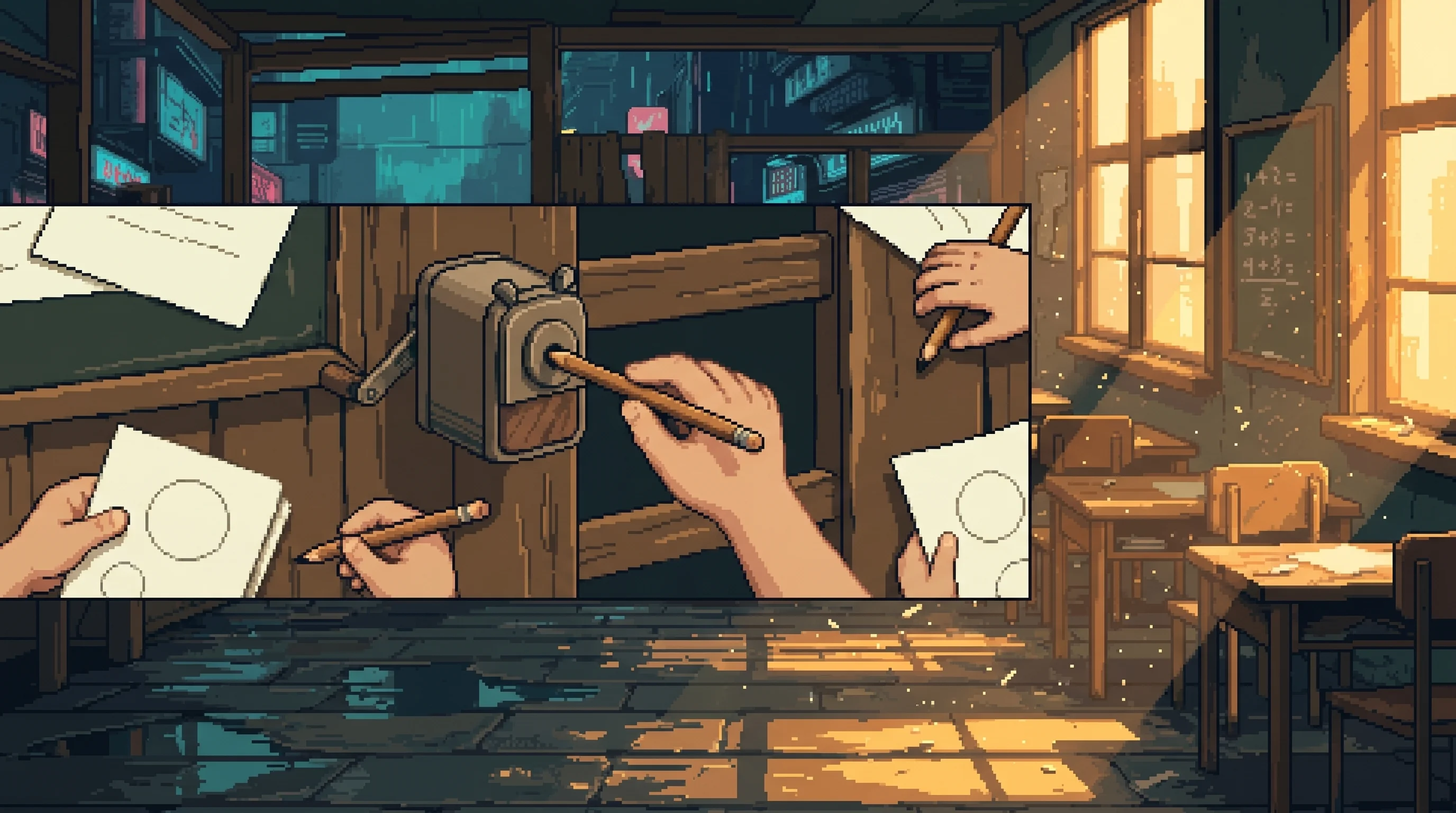
She holds the vowel about half a beat longer than the corporate register allows. Her grandmother was corrected for it at a company school in 2134, at nine years old, in a room with a monitor and a ruler. The family kept the school's slip, the way families keep such things, without ever discussing why.
That slip is now the most valuable document the household owns. A compliance broker will not lease a speech marker without it.
What the instrument actually measures
The market exists because of a design decision nobody hid.
Speech itself has been settled for years. Every utterance routed through an interface carries an origin mark applied at delivery, kept, openable by whoever is listening. It ended a decade of forgery disputes in a season.
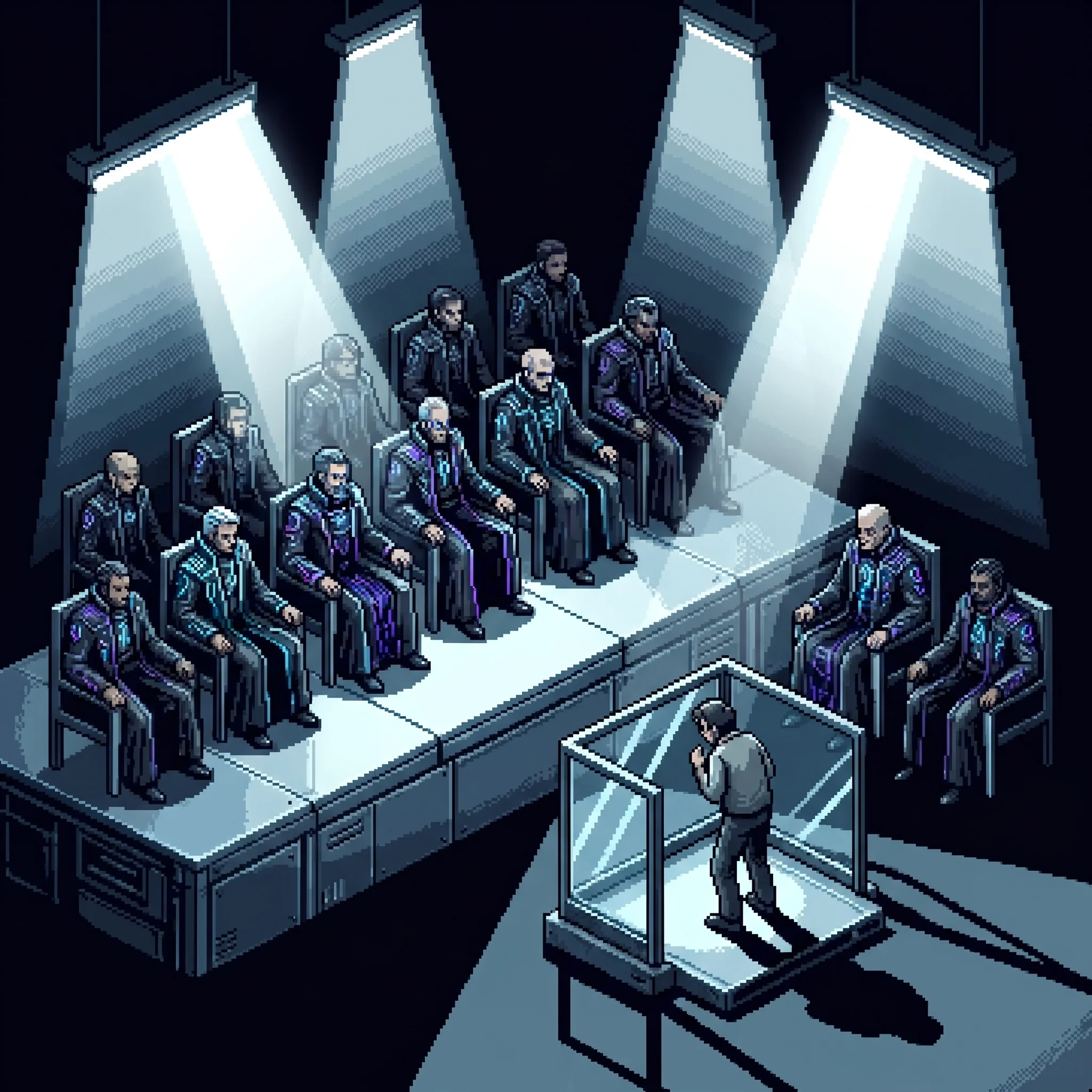
What it never covered is the unmarked page — written by hand, composed off-interface, filed from a district whose ledger returns nothing. Those pages still have to satisfy a compliance code that requires a human author on any decision that binds. So in 2176 the Authenticity Tribunal opened an assay floor for them.
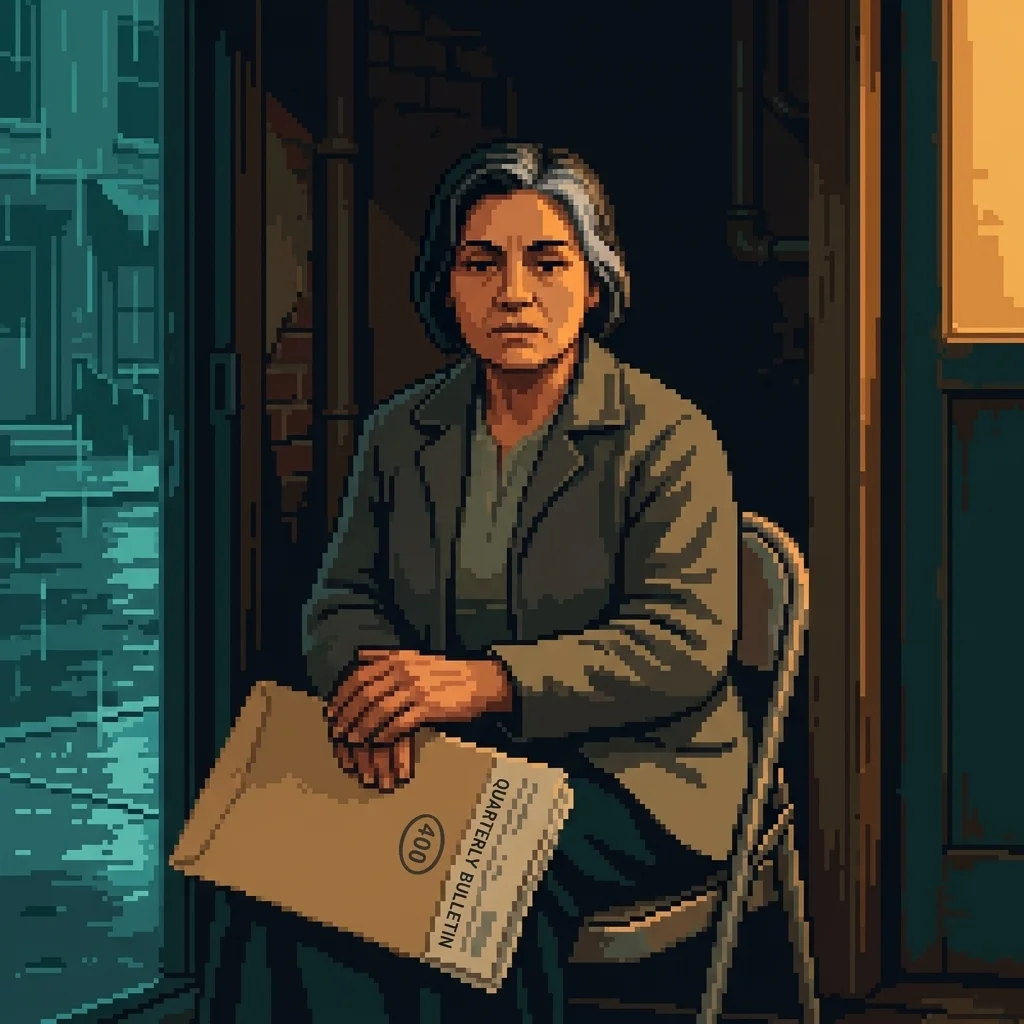
Here is the part that matters, and the Tribunal has never concealed it. The Authorship Assay cannot find a person in a page. No instrument can; human writing has no positive signature. What it can find is the machine — the statistical shape of generated prose — and where that shape is absent, it signs the difference. The certificate says a machine did not write this. It does not say a person did, and the distinction is printed in the same size as everything else on the page.
The machine register was fitted to the cleanest, best-schooled prose in the corporate archive, because that is what the models were built to imitate. Fluency is the machine's strongest suit.
So fluency reads as machine. What passes is the stumble.
The households that pass
The registers that survive the reading are the ones the archive never absorbed. They sit in the Deep Dregs and the drained bay flats, in families whose speech was drilled out of them at company schools during the Optimization Decade, when failing the corporate standard kept a household out of employment and licensing for a generation at a time.
The correction did not take completely. What is left in a few thousand households is precisely what the archive never contained, because the archive was built from the people who passed.
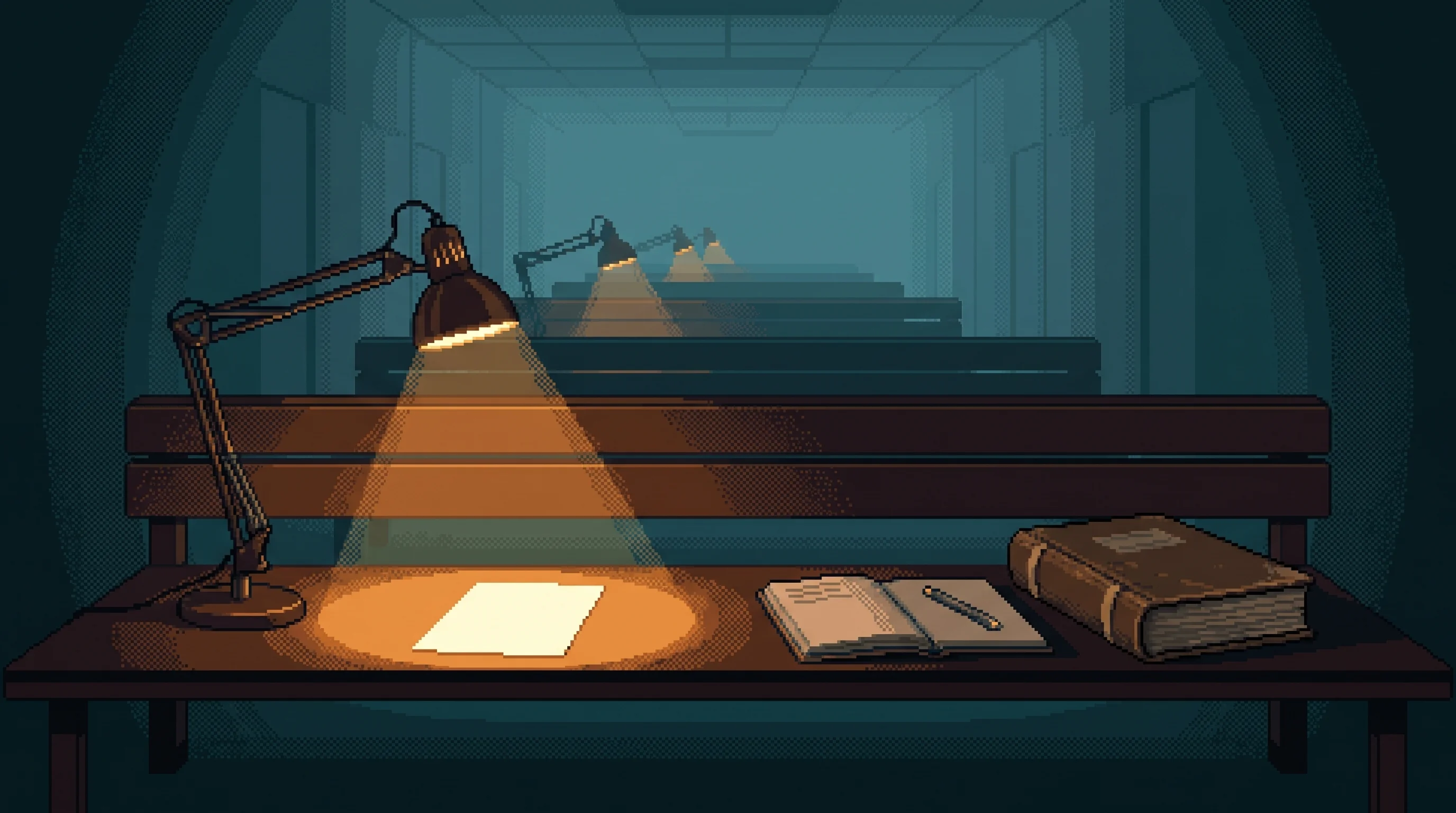
The Assay files each surviving marker as a retention. Nobody says retention. They say tell.
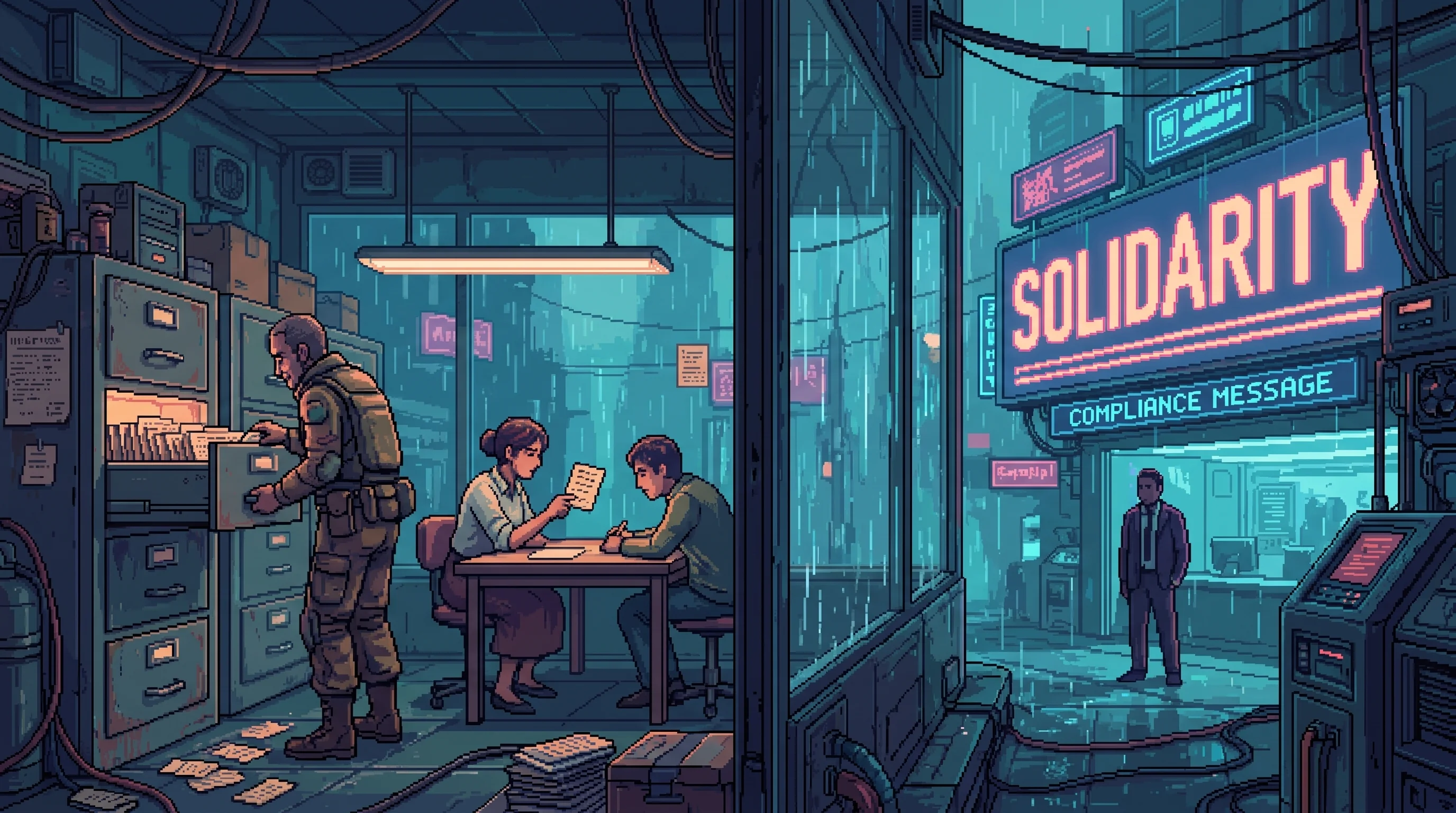
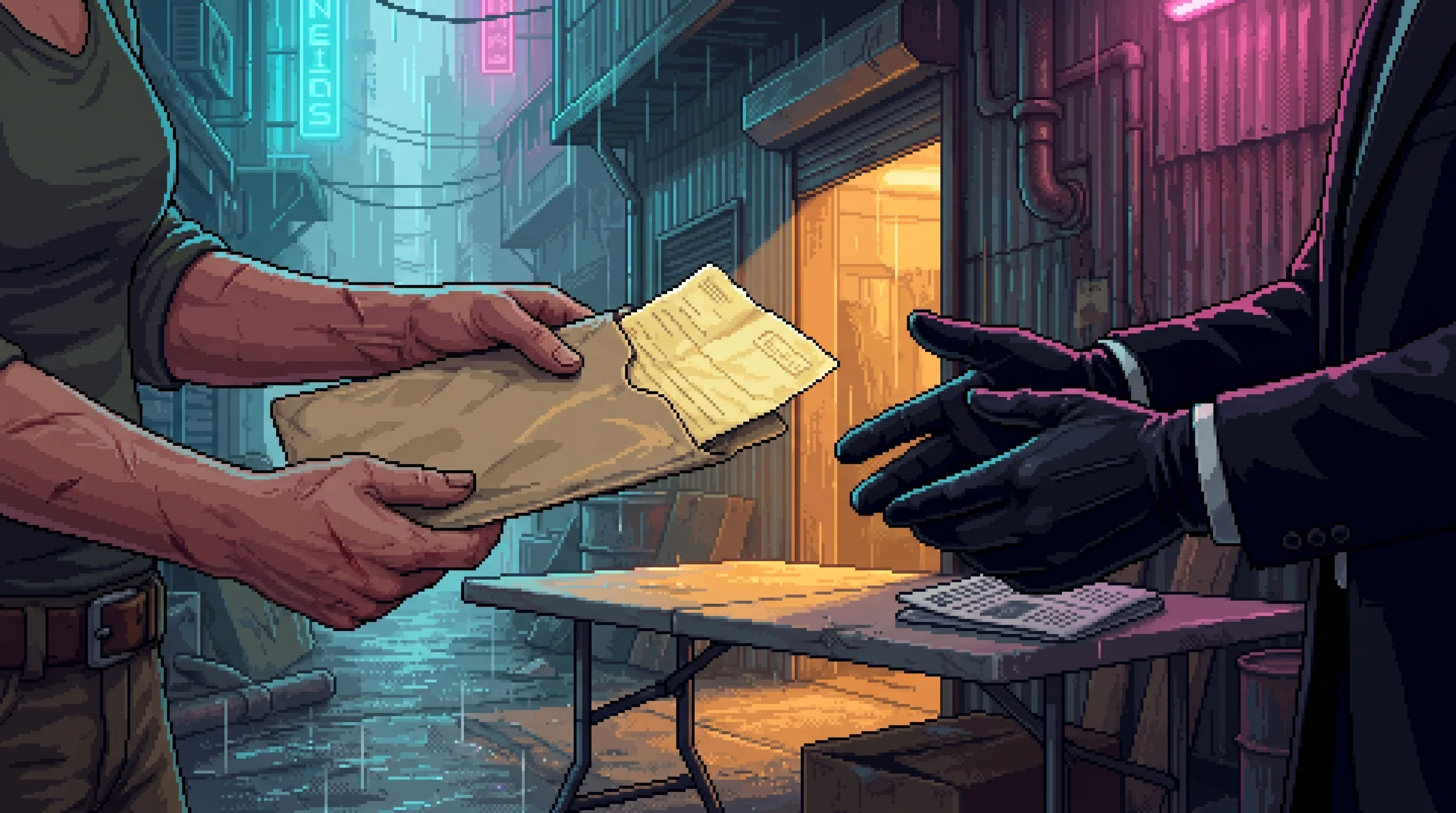
A published list of markers that certify human authorship is a published list of things worth buying, and a market assembled around the quarterly bulletin within a year. Brokers lease from the households. Firms that need an attestation to survive a tribunal buy certified capacity upstream. For four generations this sound was a liability. It is now the only credential in the Sprawl that capital cannot manufacture for itself, and the payments are not symbolic. Arrears clear. Teeth get fixed.
The clock nobody set
Then the mechanism closes on itself.
A tell is worth money because the models cannot yet produce it. The fastest way to teach a model to produce something is to supply several thousand certified examples, which is exactly what a season of leasing does. Median nineteen months from first commercial lease, the model learns it. The retention is struck from the live register. Every contract written against it voids without compensation.
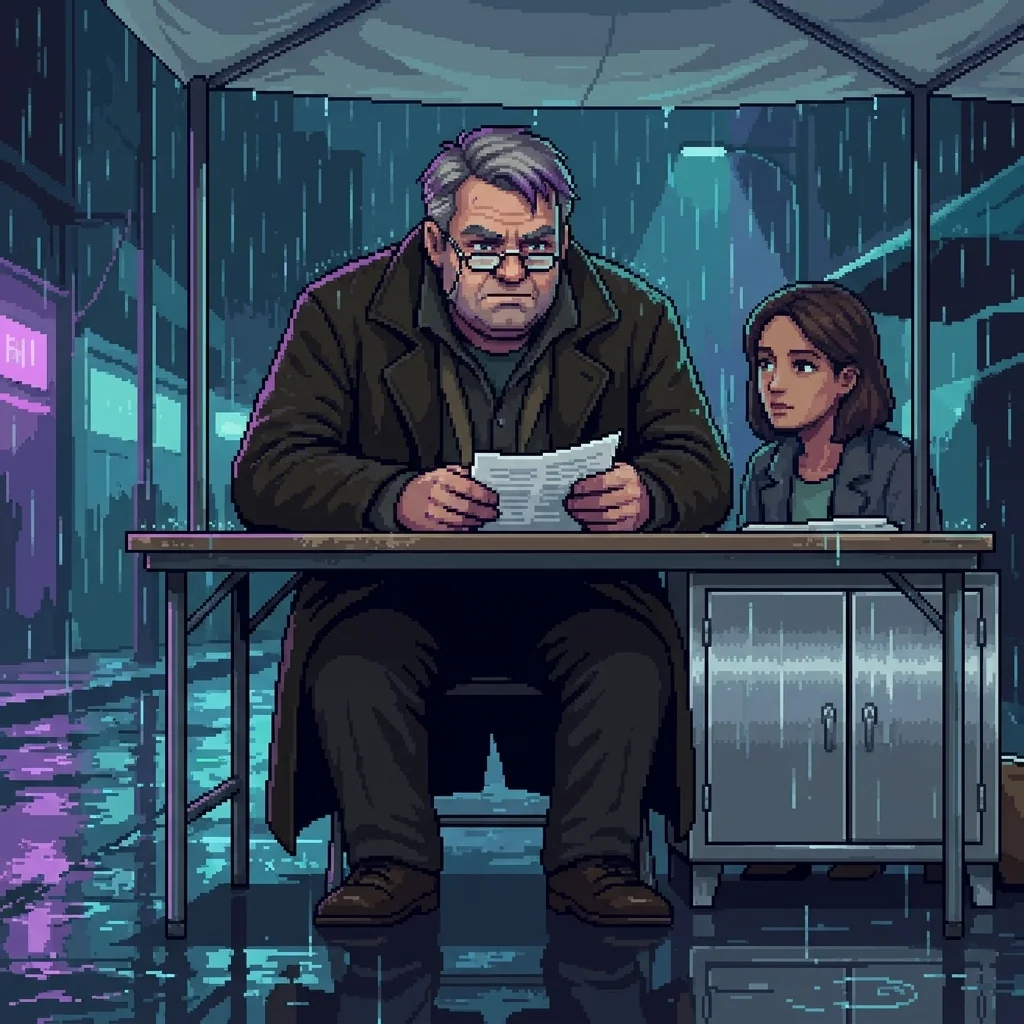
There is no appeal, because there was no decision. Two sectors north, at Helix's Denaturing Ward, every dead word arrives with a docket number, a date, a mandated substitute, and three seats that voted — a record so complete that the Question Keepers keep writing to ask for it. The struck register has the date and the training corpus and nothing else. No petition. No hearing. No year in which anyone could have chosen otherwise.
The live register opened with 4,112 entries. It holds 617.
Ynez has been told her strike is likely inside two years. She writes a clause into every lease forbidding the buyer from retaining the sample past the term. No broker has ever objected; the clause is initialled, filed, and honoured to the letter, and it has never once worked, because the sample does not need to be retained. It only needs to be used. Asked why she keeps writing it, she says a person should be able to point at the place in the document where they said no.
The same number, read twice
The inversion is most legible where it costs the least to see.
Graduates of the Analog Schools are routed to Anomalous Pattern Review by the Tribunal's bench at 41%, because unaugmented cognition diverges from an assessment model calibrated on augmented artists. The bench reads the divergence as suspicion, and a flagged piece cannot be sold or exhibited for an average of forty-seven days.
Two halls away, on the same pattern library, that identical divergence is the finding that certifies. Same graduates. Same deviation. Same building. Opposite verdicts, and the assessors work both rotations.
It cuts the other way too. Dr. Priya Achebe has spent nine years filing ethics objections inside Nexus, every one accurate, none changing an outcome. When her board began requiring authorship certificates on written findings, hers came back unsignable. Her prose is precise, unhurried, and shaped by exactly the education the register was fitted to. Nobody suggested she had not written it. The remedy is available and costs less than she earns — buy a stranger's vowel and write with it — and her colleagues use it.
What the people running it say
Maya Fontaine spent fourteen years certifying neural canvases at the highest accuracy in Tribunal history and could never define the word she used for authentic work. She took an assay-floor rotation in 2183 and now says a certifiable page is snagged, which is the same reach with a second vocabulary.
In her second quarter she started counting how many of the tells she certifies are still on the live register three months later. She keeps it on paper, at home. Her first cohort has three entries left. She has worked out that she is not measuring the instrument's decay — the Assay is accurate and improving — but how much evidence of human authorship remains, and she has not settled whether the word for her part in the number is certifying or spending.
Down on Sump Row the accounting is simpler and runs on a different clock. Two streets east of Ynez, Hollis Sarr has rented his legal name for eleven years; that asset declines slowly, as findings accumulate, in a way a man can watch. He read her first lease aloud at his usual rate, slowed at the void clause the way he slows at every clause that does the damage, and gave no advice. He has since noticed the two rate sheets were drafted by industries that have never met and read as though one firm wrote both.
The question the register does not have a field for
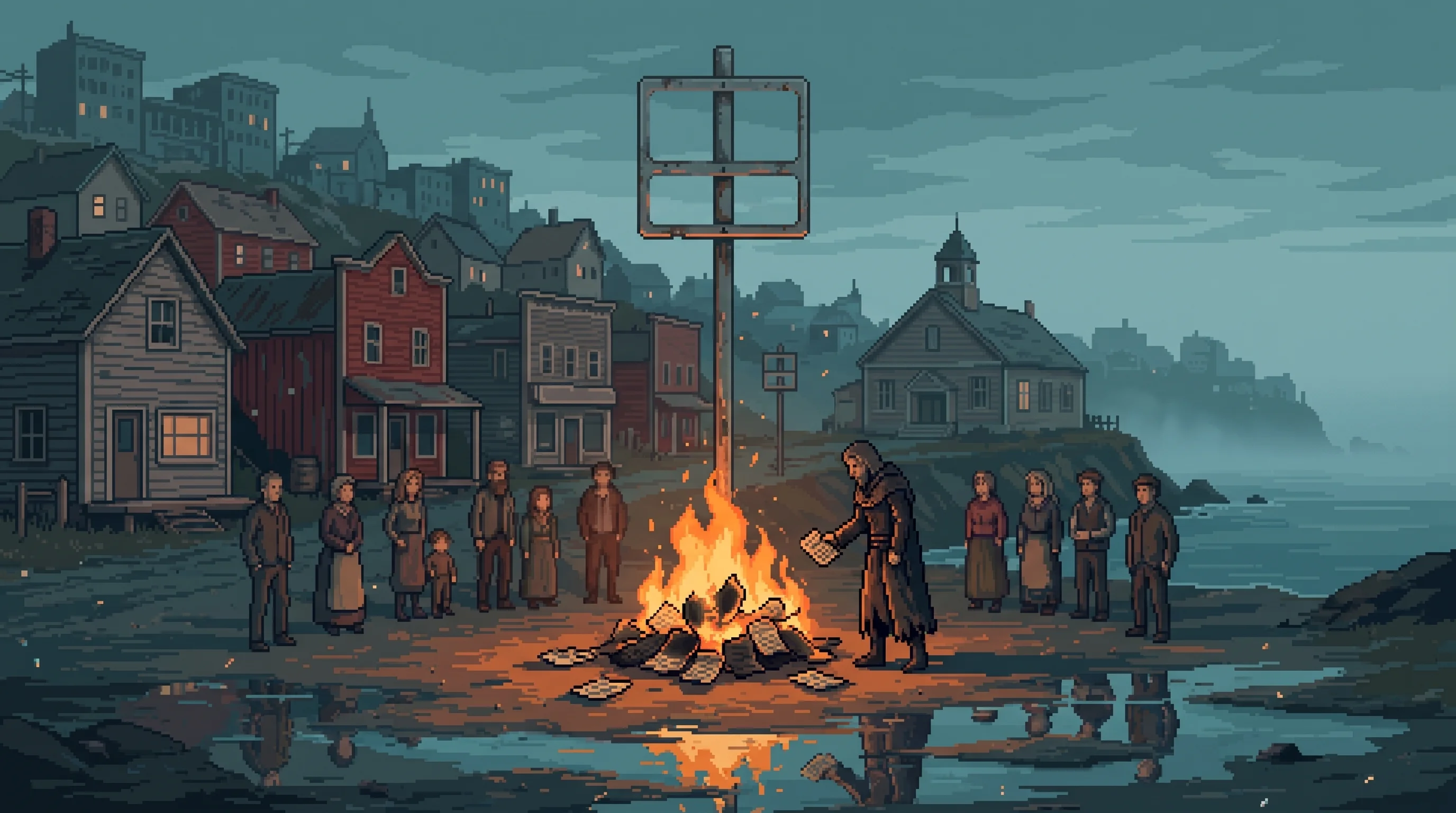
Up the North Bay coast, a hill town of six hundred and forty people speaks a private grammar assembled from words the Sprawl already declared dead, reassigned every autumn and burned in ledger form the same night. The Hidden can restock: dead words are a supply the Sprawl keeps producing at no cost to anyone there. No broker has approached the town. Residents call that the only good fortune in the arrangement.
A vowel installed in a nine-year-old in 2134 cannot be reissued. It is worth money exactly once.
Ynez has a niece, eleven, four doors down, with the same sound. A household with a second living speaker can supply longer, and the brokers have begun to ask, politely, in the way that is not really asking. Asked directly, she says the girl is eleven. Asked again, she says the girl is eleven, and then she stops talking, which on Sump Row is understood to be an answer.