The Authorship Assay
Negative Human-Authorship Certification
Grandmother's Vowel, Leased by Season
No instrument in the Sprawl can find a person in a page. The Assay finds the machine and signs the difference.
How It Works
- 1
Model the machine
The Assay models the machine register, calibrated on the cleanest prose in the corporate archive.
- 2
Look for a tell
An assessor reads an unmarked page for a live retention, a marker the models still cannot produce. A page with one is certified; a page without one is declined.
- 3
Publish the register
The live register is published quarterly. Brokers lease retentions from the households that hold them.
- 4
Strike
When a model learns a retention, it moves to the struck register in ink, and every lease against it voids without compensation.
No instrument can find a person in a page. The Assay does not try. It models the machine register and reports its absence. The certificate says a machine did not write this. It says nothing about who did.
The Authenticity Tribunal opened the floor in 2176, after code 11.4(b) made a human author a compliance item. The register was calibrated on the corporate archive's cleanest prose. So fluent writers fail. Dr. Priya Achebe wrote her findings by hand, in perfect schooled sentences. The Assay declined to sign them.
What passes is a snag. The floor calls it a tell. The broker's leaflet on Sump Row reads: YOUR FAMILY'S VOICE. CERTIFIED HUMAN. PAID BY THE SEASON.
Nineteen Months
Honest limit
The certificate says only that no machine wrote the page, and has always said so.
What it costs
It cannot certify a person, and fluent, well-schooled writers fail it.
Paid supply
Households that hold a retention are paid more than for anything before.
What it costs
Each lease trains the model that retires the tell; the median retention lasts nineteen months after its first lease.
Every lease is a training sample. When a model learns the tell, it is struck, and every lease against it voids without compensation. The median tell lasts nineteen months after its first lease.
The live register held 4,112 retentions in 2176. It holds 617. The struck register is kept in ink in the same hall. It is thicker.
The Floor and Its Neighbours

Files her grandmother's held vowel as a retention and sets, without deciding it, the year her lease stops being worth anything.
A Sump Row woman who leases her family's held vowel to compliance brokers, four terms a year, until a model learns it.

Her written findings came back unsignable — schooled prose reading as the register it helped build.
Nexus's own ethicist — 147 objections filed, zero outcomes changed, every one of them true.

The 41% the bench routes to review are the same pages the floor signs.
Forty-seven schools teach children to verify their own thinking without machine help and use failure as curriculum.
Maya Fontaine works the floor. She calls a certifiable page snagged, and keeps a private count of how long tells survive. Licensed Human Oversight signers now assay their own attestations before filing. Graduates of the Analog Schools get flagged at one bench and signed at the next. Professor Ines Park measured the hedge; the floor prices what replaced it.
The Re-Defence took the certificate's limit literally: if paper cannot prove a person understood, sit the person in a room.
The Denaturing Ward keeps the other ink ledger, of words killed by verdict, and the Keepers of Dead Words keep asking for it. The Hidden restock their grammar every autumn. A school-issued vowel cannot be reissued.
Principal Tenancy buys a household's name. This buys its accent. Proof of Flaw is the trade in what was punished out of you. It is the evolution of prejudice, priced; AI haves and have-nots, with the have-nots paid last; Post-Truth Justice, certified negative.
Overview
Ynez Barquero reads the quarterly bulletin like a weather report. She is looking for one four-digit number.
The number is her grandmother's vowel. A company school beat it out of the old woman in the 2130s. It held on anyway: a half-beat too long, in the second syllable. The models still cannot produce it. So the Assay files it as a retention, and Ynez leases it four times a year.
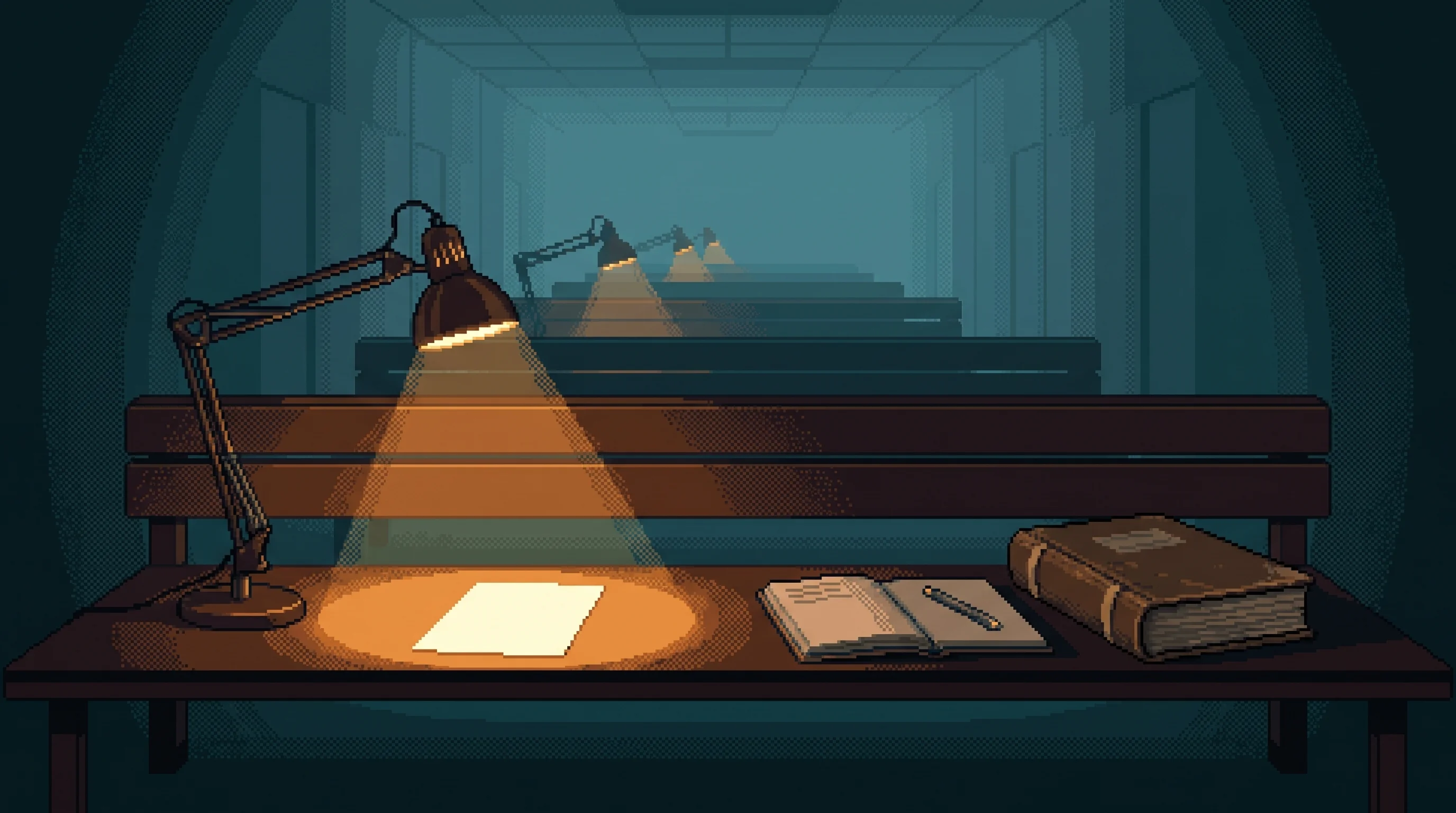
At the Kitchen Table
Ynez has a niece with the same vowel. She has not decided what to tell her.
Further connections
Browse all 14 connected records
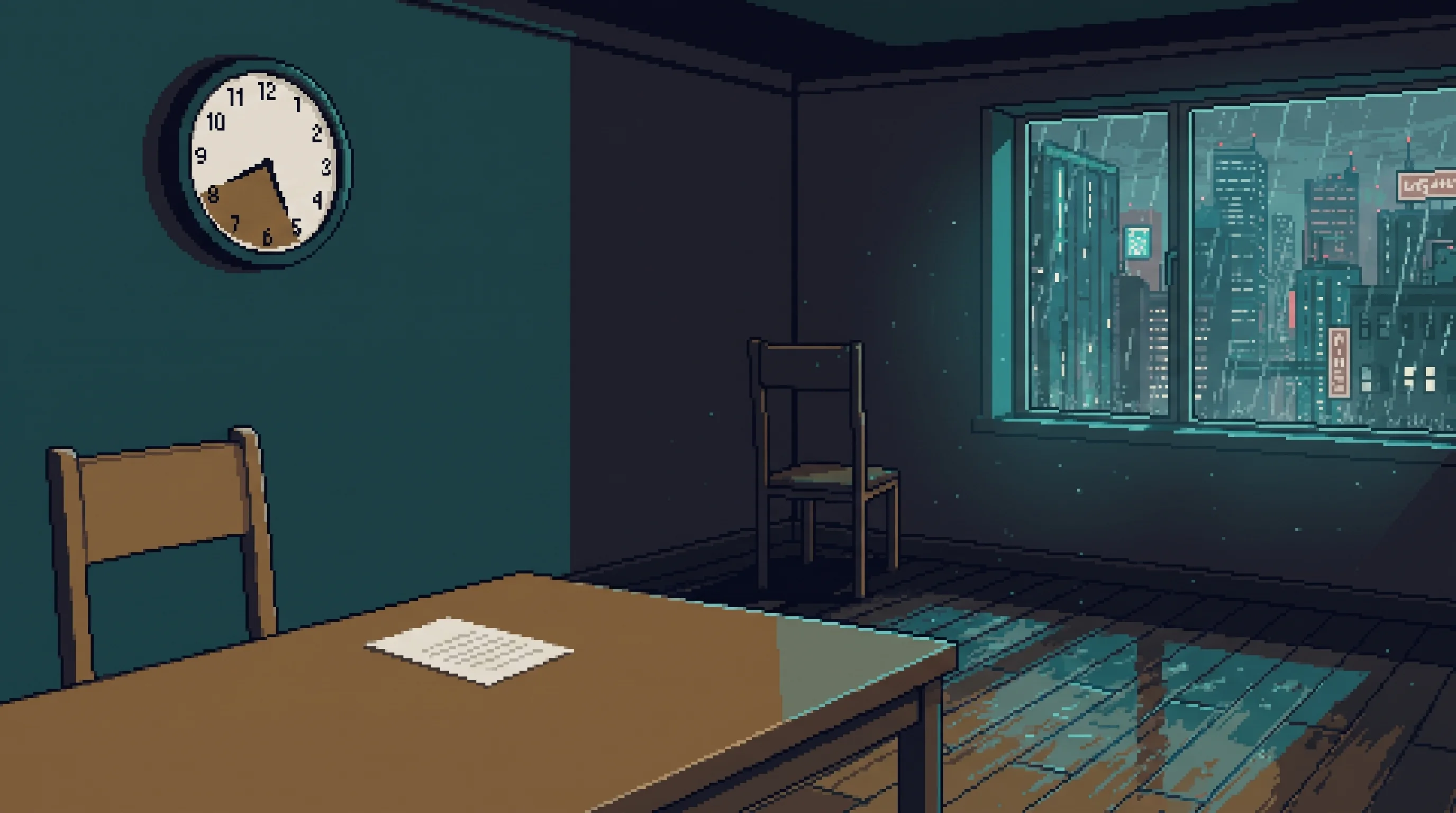
The half the standard declined. Every certificate says a machine did not write this and has never said a person did; the registries read that printed limit as an instruction and built a sitting around it.
Anything you were credited with can be recalled and re-argued alone; nothing held against you ever is.

Runs on the assay floor two halls from tier certification, staffed by the same assessors and calibrated on the same pattern library that produced Duval's Selection Paradox, with the sign reversed.
Nexus-funded body certifying what's real — its accuracy is decaying toward a coin flip, unpublished.

An Overseer's stamp only absorbs liability if a person made it; Licensees now assay themselves before filing.
The regulated profession of signing decisions a human cannot actually read.

The mark settled routed speech; the Assay is what the unmarked page got, eight years later.
A Question Keepers inquiry cataloguing every word the Sprawl let die, and what died along with it.

Works the assay floor, calls a certifiable page snagged, and keeps a count she does not file.
VerisysTM's top-rated memory verifier, who found her own treasured memory of her mother is partly synthetic.
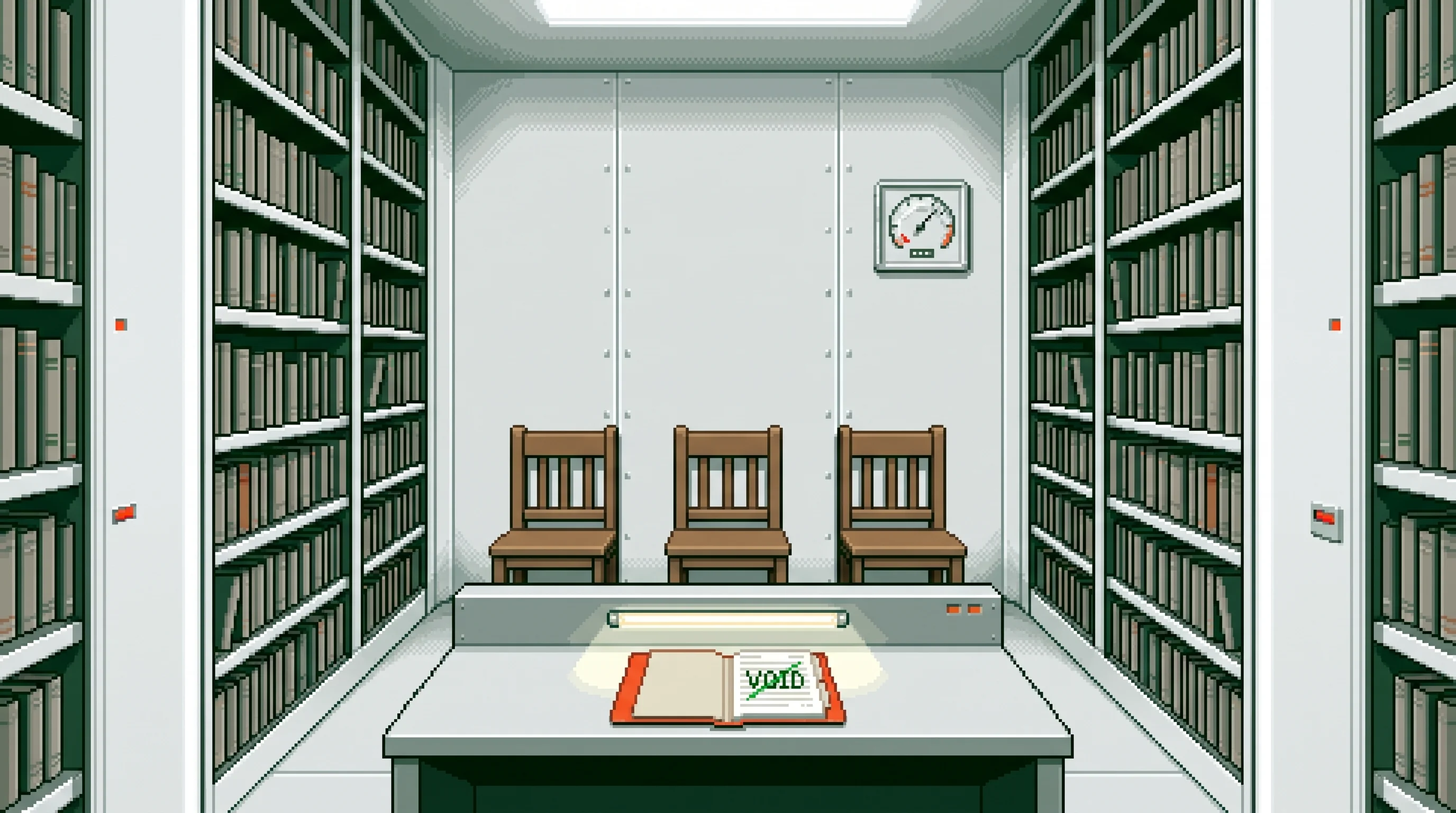
Verdicts in one ink ledger; things learned in the other.

Her index measured the hedge; the floor prices what it replaced.
The Nexus cognitive scientist who quit to teach children to be comfortable being wrong.
The other last thing a household owns, on a slower clock.
Rent your legal name to a fleet of machines for ¢1,100 a month. You may not ask what it did.

A grammar restocked each autumn against a tell issued once.
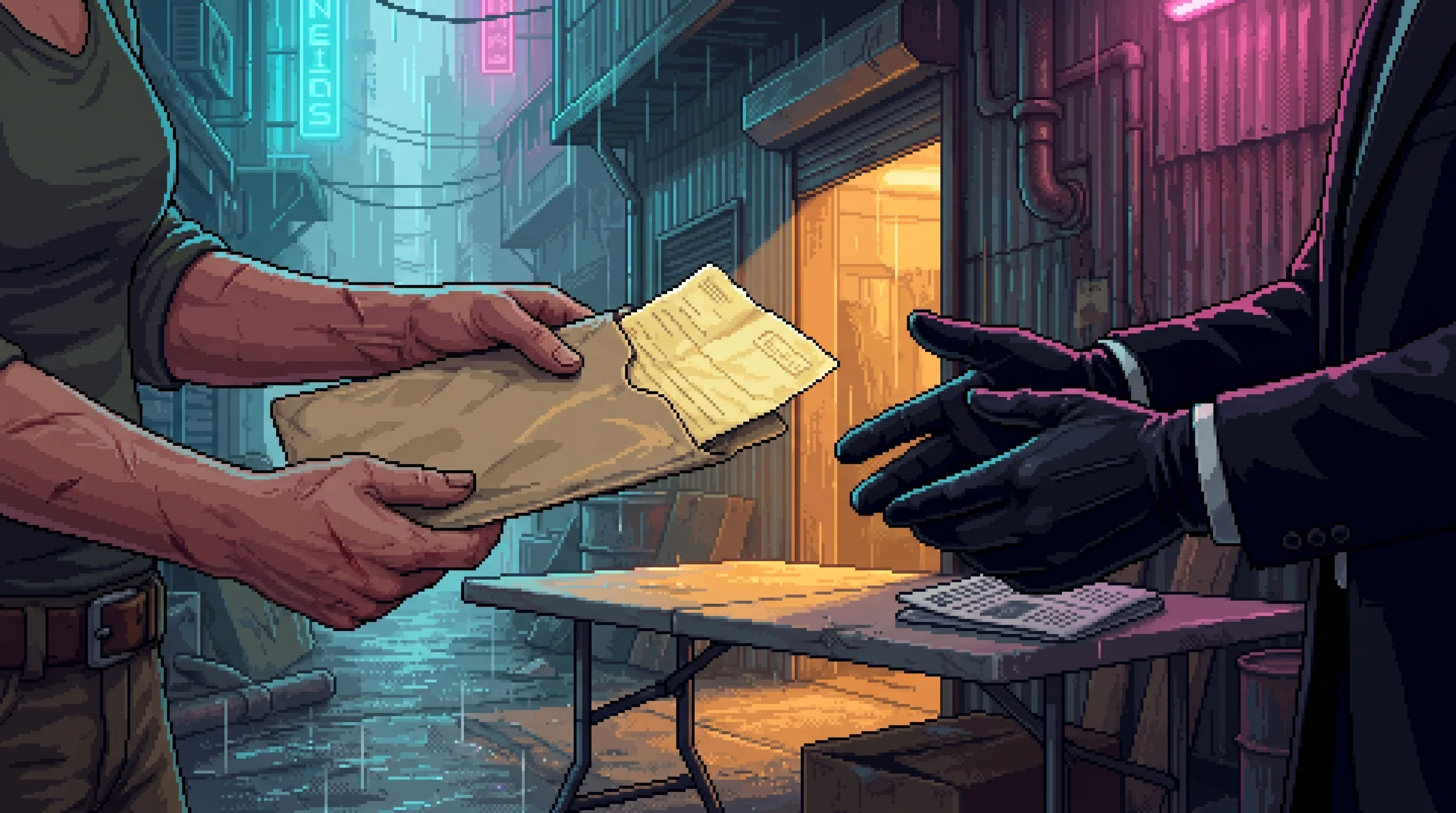
The thread's instrument. Certifying humanness as a residue makes the standard for being human whatever the models have not finished absorbing, and hands the credential to whoever was punished for failing the old one.
The humanity test looks for missing machine prose, so accents the schools once corrected now rent by the season.
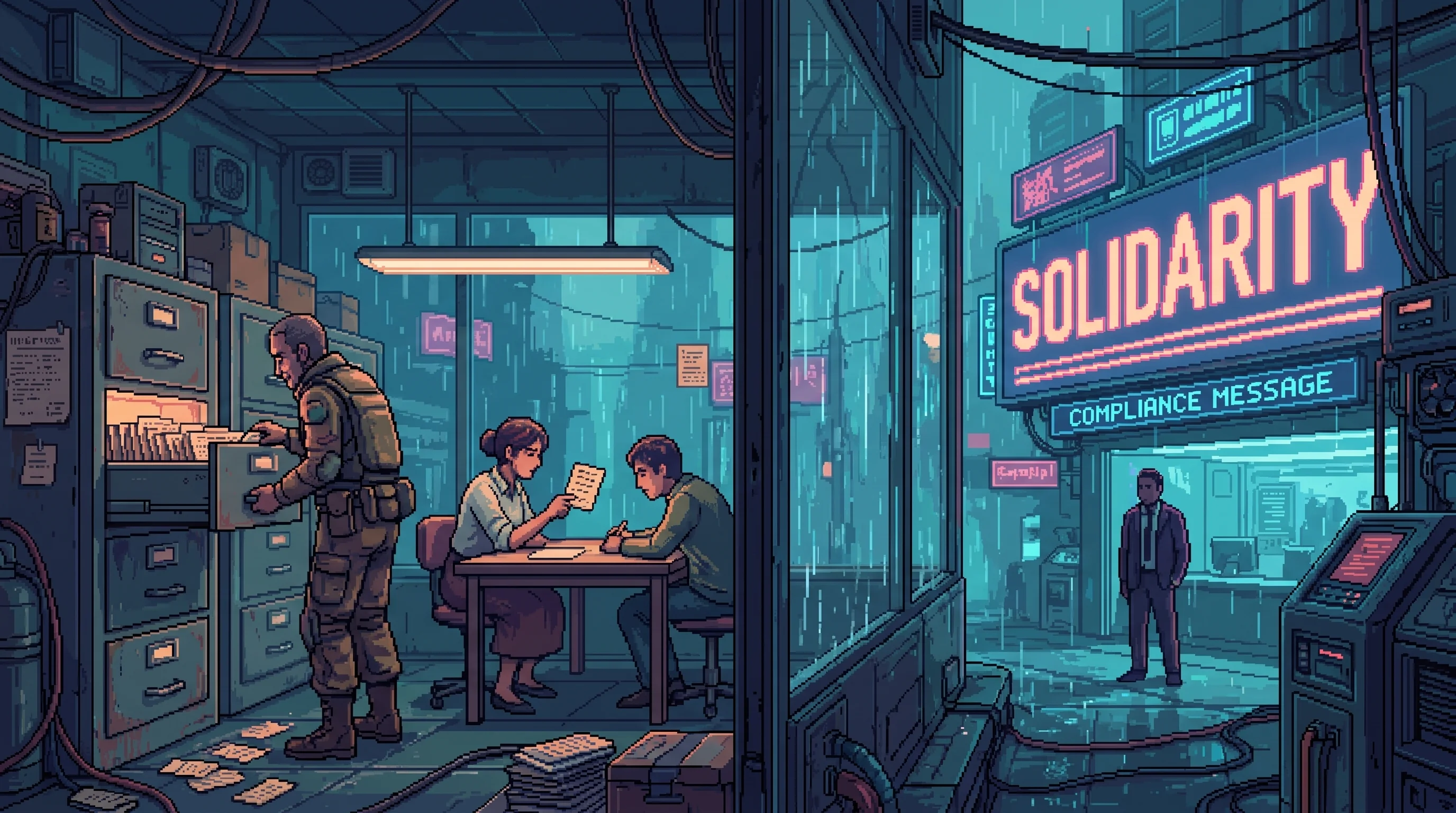
Every struck retention is an extinction with a date and no author.
Dead Words records language whose referents vanished or drifted and words built to remain unreadable to machines.

The sorting trait became the scarce asset without becoming a way out.
Technology never eliminates prejudice — it finds it better housing.
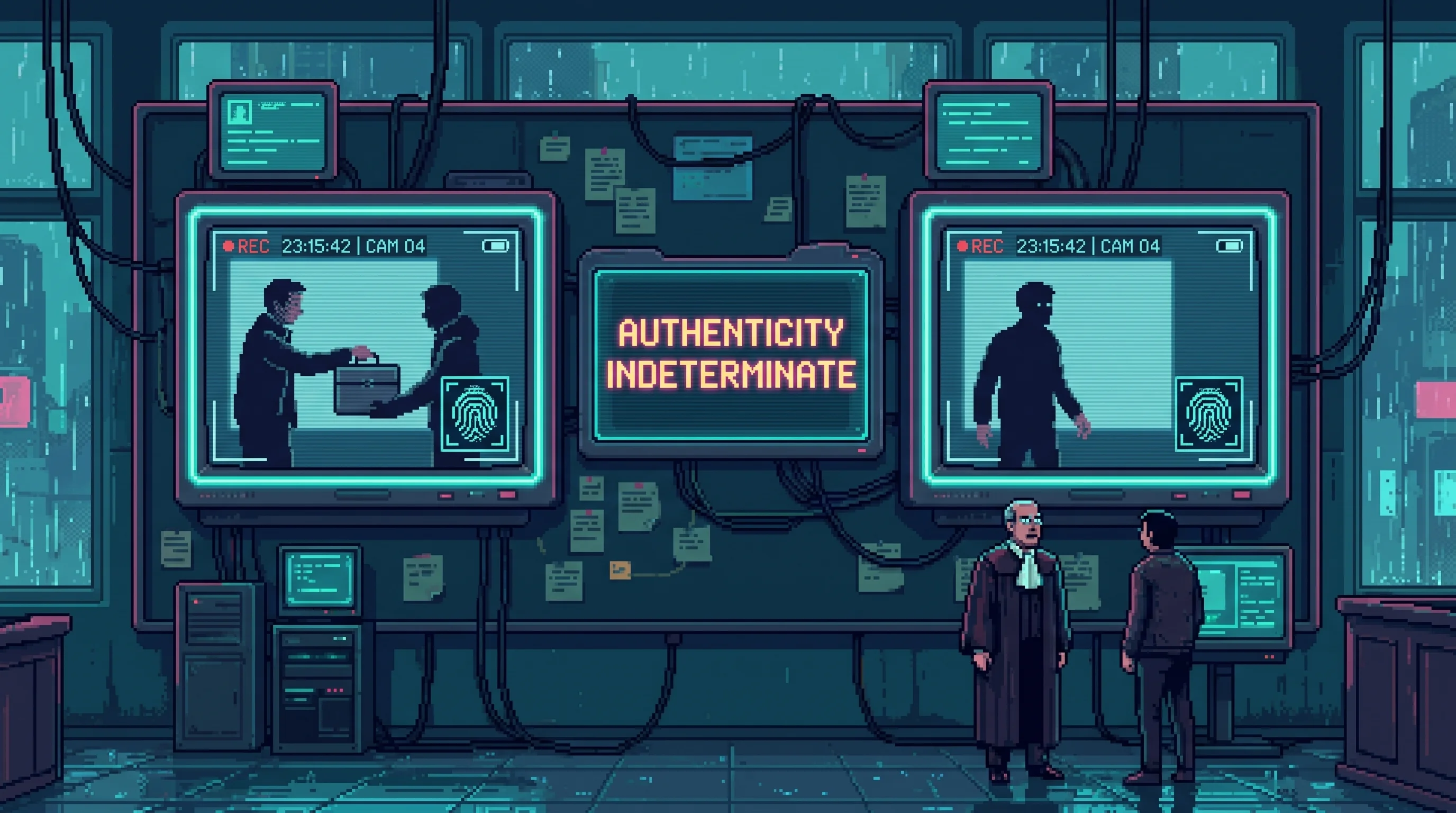
Proof that works, in a crisis defined by proof that cannot.
Perfect evidence forgeries and crimes without defendants force justice systems to assign blame without reliable truth.

The abandoned tier's asset, priced and consumed by the tier above it.
The point at which effort stopped being able to close the gap that compounding opens.