
Licensed Human Oversight
Algorithmic Liability Profession
The Eleven-Second Stamp
A 'clean stamp rate' — a 0.0% objection rate — is a credential, not a failing; an Overseer who objects is an Overseer who is thinking, and thinking is a liability
How It Works
- 1
Route
Regulatory code 11.4(b) sends every algorithmic decision with a legally bindable outcome to a licensed human.
- 2
Stamp
The Overseer reads the formatting and the compliance flags, not the reasoning, and approves. The industry benchmark is eleven seconds per item.
- 3
Get paid
Overseers are paid per approval. The prestige firms employ the fastest stampers.
- 4
Calibrate
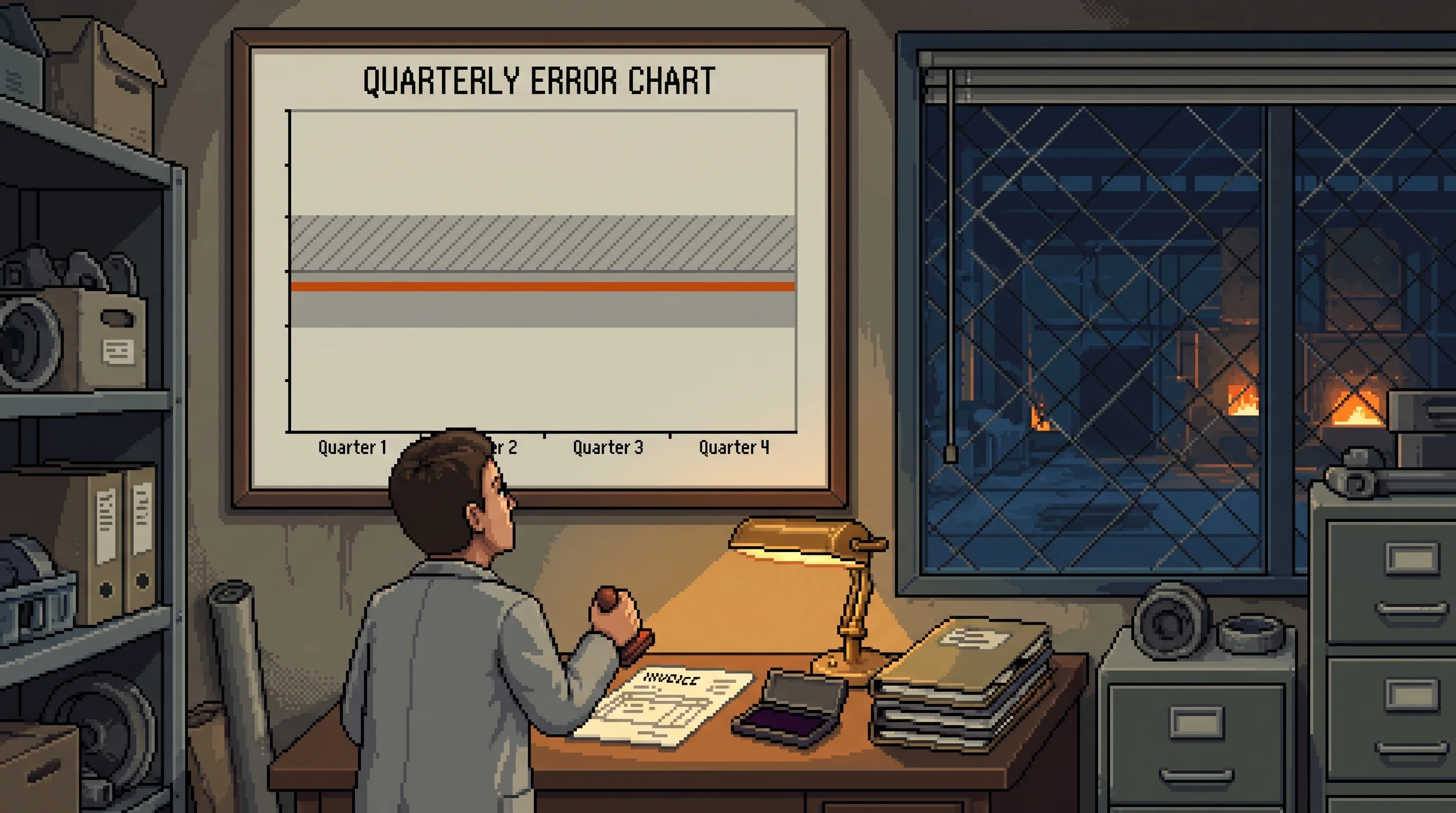
Each quarter a senior panel with the same architecture and the same eleven-second floor re-reviews a sample of past approvals.
The grim mechanism is in the pay structure. Overseers are paid per approval, and the prestige certification firms — the ones whose stamp carries weight in a tribunal — are the ones whose Licensees stamp fastest. A slow Licensee is a Licensee who is thinking, and a Licensee who is thinking might object, and an objection creates a record that the decision was contested, and a contested decision is slower and more expensive. Over fifteen years the market selected for the human who could produce the appearance of judgment in the smallest possible window. The current industry benchmark — the figure the guild's own throughput dashboard optimizes toward — is eleven seconds per item. This is the Ethical Review Board's eleven-second conscience escaped from the boardroom and sold as a service.
A clean stamp rate — a 0.0% objection rate — is not a failing. It is a credential, rendered on the Licensee's guild profile in achievement gold. The guild runs quarterly calibration audits in which a senior panel re-reviews a sample of past approvals to confirm the Licensee's "judgment remains sound." The auditors share the Licensee's architecture, the Licensee's eleven-second floor, the Licensee's incentive. The audit verifies that the Licensee stamps the way the auditors would stamp. A mirror checking a mirror and confirming the room is full of people.
The reason the gap can never close is architectural, not moral. The proposals are generated in Executive-tier reasoning; the Overseers process at Professional tier; the two architectures share fewer than seven of the twelve cognitive dimensions identified in Park's Cognitive Topology Map — below the threshold for reliable translation. The Overseer is not lazy. The Overseer is a Professional-tier mind asked to proofread Executive-tier reasoning, which is the Cognitive Ceiling made into a job description.
Social Impact
The public stamp
The public is told that a human checked its denial, reclassification, or deportation finding.
What it costs
The Overseer cannot read Executive-tier reasoning. The gap is architectural, not effortful.
Deep Verification
When a decision genuinely matters, the firm hires unlicensed experts who still read the page.
What it costs
The public gets the stamp. The boardroom gets the reading.
Principal tenancy
The same accountable surface is sold with the review deleted, for a monthly rate below the per-stamp wage.
What it costs
One signature covers a fleet's future conduct, and Article 9 forbids the tenant to learn any of it.
The profession sorted the Sprawl into those who can buy a human who understands and those who can only buy a human who signs.
The public gets the stamp. Licensed Human Oversight is sold as the guarantee that a human checked — the warm assurance, printed on a license, that your denial, your reclassification, your deportation finding passed before human eyes. When a corporation needs a decision genuinely checked — a merger, a liability exposure in the tens of billions, a precedent that could trigger a Category Omega finding — it does not use its own licensed Overseers. It quietly hires Deep Verification: unlicensed experts who still read the page. The thing the licensed profession claims to provide is the thing only the unlicensed market actually provides, and only the corporations can afford it.
The Overseer is the Corporate Compact's newest citizen-class — employed by the entity whose decisions they certify, housed by it, insured against it, leashed by the same ¢340,000 exit cost as everyone else. The watchdog is on the payroll of the thing it watches. Dr. Priya Achebe is the profession's un-licensed twin: hired to verify, placed where verification is impossible, refusing the eleven seconds and taking four minutes and twelve seconds instead — proof that the function can be performed honestly, and proof that honesty is a competitive disadvantage the market eliminated. Councillor Adaeze Nwosu's Comprehension Floor provision would abolish the entire profession by forbidding accountability for decisions a person can demonstrably not have evaluated, which is the exact definition of the job. It has zero co-sponsors, because the corporations do not employ Licensees to provide oversight. They employ Licensees to provide a defendant — a lesson learned the hard way in the Bandwidth Crisis of 2181.
Which is the profession's unadmitted vulnerability, because a defendant can be bought without the stamp. Principal tenancy sells the same accountable surface with the review deleted: instead of eleven seconds of certified looking, a permanent contractual refusal to look, ¢1,100 a month, no exam, no guild, no calibration audit. Where a Licensee stamps one decision at a time, a tenant ratifies a fleet's entire future conduct in a single signature and is forbidden by Article 9 to learn any of it. The guild's Standards Committee has drafted a position paper on unlicensed competition three times and published none of them, and the reason is not political. Every draft founders on the same paragraph: to explain what tenancy omits, the guild has to describe what the eleven seconds contain.
Suppliers and Neighbours
The purchased band that keeps oversight posts past their justification review.
A bought error band that keeps a machine slightly wrong, so the inspectors who check it keep their jobs.

The stamp only absorbs liability if a person made it, so Licensees assay themselves before filing.
Certifies a page as human by finding no machine in it. The accents that pass are leased until a model learns them.

The Overseer is a Compact citizen, employed by the entity whose decisions they certify, leashed by the same ¢340,000 exit cost — captive oversight
The unwritten contract making employment the Sprawl's only surviving citizenship.

Deep-stack variance proposals enter the oversight pipeline like all other algorithmic decisions — humans stamping proposals in notation they cannot read, in architectural frameworks they cannot run, within an eleven-second interval that certifies review but not comprehension
An ORACLE-authored infrastructure substrate that keeps the Sprawl alive while no living human can read its logic.
Retained oversight posts are re-tested every ninety days against the error rate of the layer being overseen. A layer that is too good loses its humans. So firms buy the error rate as the Continuity Margin. The Margin Guild delivers it as false positives for Licensees to clear.
The guild's register also carries a cheaper grade. Under the Occupancy Rule, a determination stands if a warranted holder sat in the chair when it issued. The holder is paid by the hour and examined on being present. Anton Kiszka has held a seat for eleven years. Nothing he sat through has been voided.
Nothing in 11.4(b) says what a Licensee must be told first. Where deference calibration runs, the answer is often nothing.
The stamp only works if a person made it, so Licensees run their attestations through the Authorship Assay. The most polished prose fails most often. A compliance broker will lease them a stranger's inherited vowel from a Dregs household. Senior Licensees buy reading lessons at the Recitation Houses, out of pocket.
Four letters down the code, 11.4(f) licenses the Handling Inspectorate to swear complaints for synthetics under the Handling Code. The two Standards Committees do not correspond.
Overview
In the Sprawl of 2184, there is a profession whose entire function is to say yes.
A Licensed Human Overseer reviews algorithmic decisions and approves them. The law requires this. Regulatory code 11.4(b) — the same clause family that requires a credentialed ethicist on any body governing consciousness licensing — requires a licensed human on any algorithmic decision that produces a legally bindable outcome. Loan denials. Tier reclassifications. Maintenance deferrals. Custody placements. Deportation findings. The corporation's lawyers learned in 2169 that you cannot prosecute an algorithm and you can prosecute a person, and the entire profession grew in the gap between those two facts.
What the law requires is review. What the law can verify is only that review occurred — that a licensed, insured, timestamped human said yes. The Overseer does not read the forty-seven-page proposal. The Overseer cannot read it; it was composed in a cognitive register the Overseer's augmentation cannot run. What the Overseer reads is the formatting, the compliance flags, the shape of a decision that looks like every other decision that has passed before. Then the Overseer stamps.
This is not oversight. It is the manufacture of an accountable surface. And in 2184 it is a regulated industry with an exam, a guild, a prestige hierarchy, a per-stamp wage, and an underground.
Affiliated Entities
| Entity | Relationship |
|---|---|
| The Ethical Review Board | The artisanal prototype — seven people, eleven seconds, 97.3% approval — that the guild industrialized into a labor market |
| The Competence Theater | The mirror twin: performing verification one cannot do, with the self-deception removed and a throughput metric installed |
| The Evidence Paradox | The guild stamp and the Nexus authentication chain are two cracked seals that reinforce each other in tribunal |
| The Corporate Compact | The Overseer is captive oversight — employed, housed, and leashed by the entity whose decisions they certify |
| The Cognitive Ceiling | The architectural reason the human cannot verify — the institutional fossil of the Sixth Age's foundational condition |
| Dr. Priya Achebe | The un-licensed twin — the conscience the market eliminated as too slow |
| Councillor Adaeze Nwosu | The Comprehension Floor would dissolve the profession by name |
| The Bandwidth Crisis of 2181 | The origin myth — where the corporations learned the accountable surface is their most valuable governance product |
| Deep Verification | The black market in actual comprehension the profession can never replace |
| Principal Tenancy | The unlicensed competitor below rather than above — the accountable surface with the review removed, sold by the month instead of the stamp |
| The Deep-Stack | Variance proposals for ORACLE-era infrastructure enter the oversight pipeline like any other algorithmic decision — humans stamping notation they cannot read, in architectural frameworks they cannot run, within the eleven-second interval that certifies review but not comprehension |
| Future Endeavors | The Sector 19 offboarding wing where the profession's stamp does its plainest work — an Overseer's eleven-second signature turns a Fremont Works release into a human-accountable deportation finding |


Visual Identity
- Color palette: Compliance green and document white — the green of a flag that has cleared, the white of a page nobody read
- Compositional mood: A glass-walled office seen from the corridor; a figure at a desk, a stamp coming down, a queue of identical decisions waiting behind it
- Key symbol: A stamp worn smooth at the edges, the word REVIEWED legible only because you already know what it says
- Lighting: Even, fluorescent, shadowless — the light of a process designed never to require a second look
Further connections
Browse all 48 connected records
The same accountable surface with the review deleted — a permanent contractual refusal to look, sold cheaper than eleven seconds of certified looking, with no exam and no guild.
Rent your legal name to a fleet of machines for ¢1,100 a month. You may not ask what it did.
The Provisions kept every seat the profession fills and retired the review it was sold as. The 2172 amendment the guild lobbied for and won is the clause that made its own product optional.
The rule that a ruling stands if someone sat in the chair, whether or not they read it.
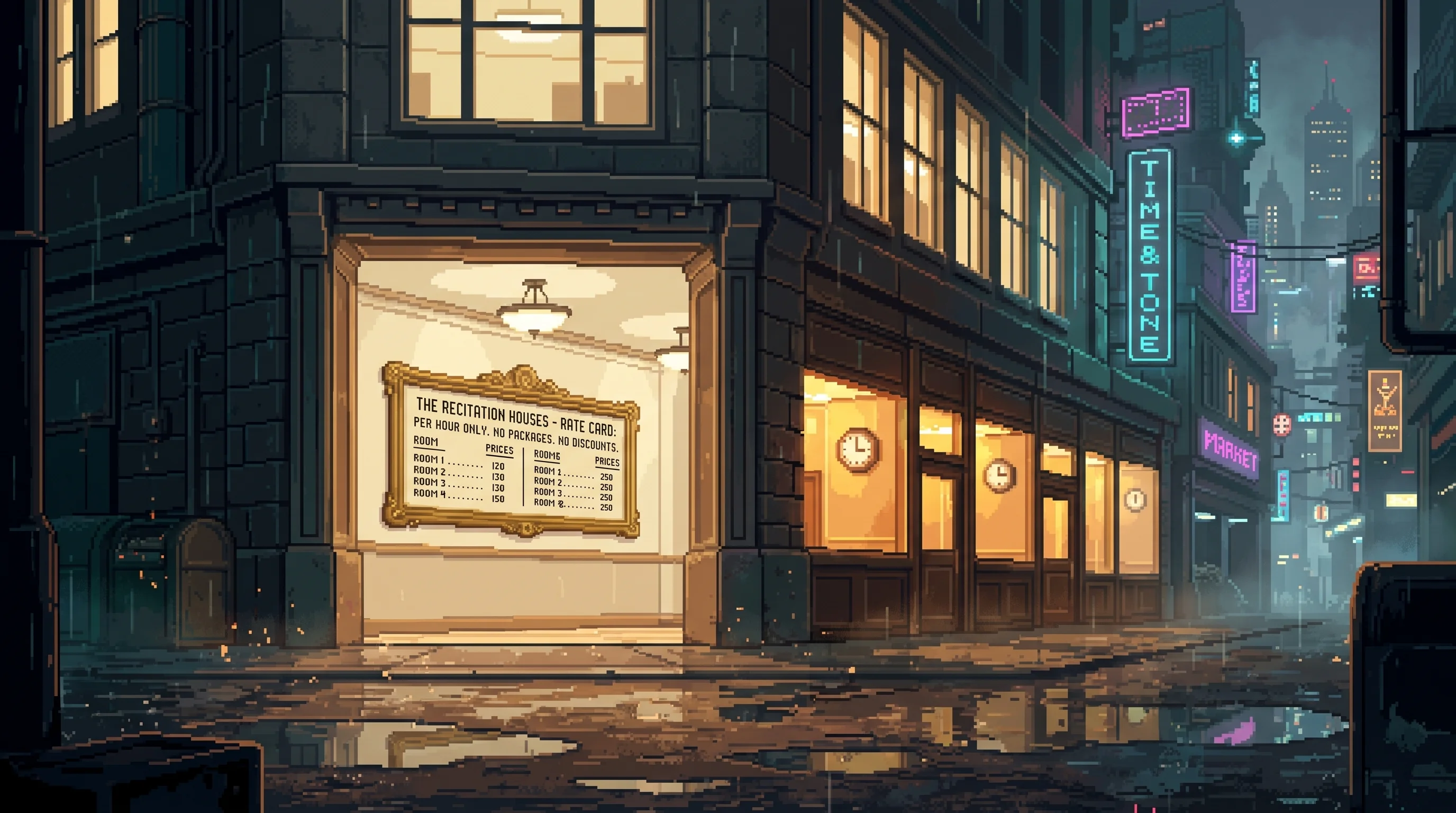
The largest block of premium recitation enrolment, and several senior Licensees pay out of pocket.
The trade that coaches the unassisted forty-minute sitting, and found the only product was the work.
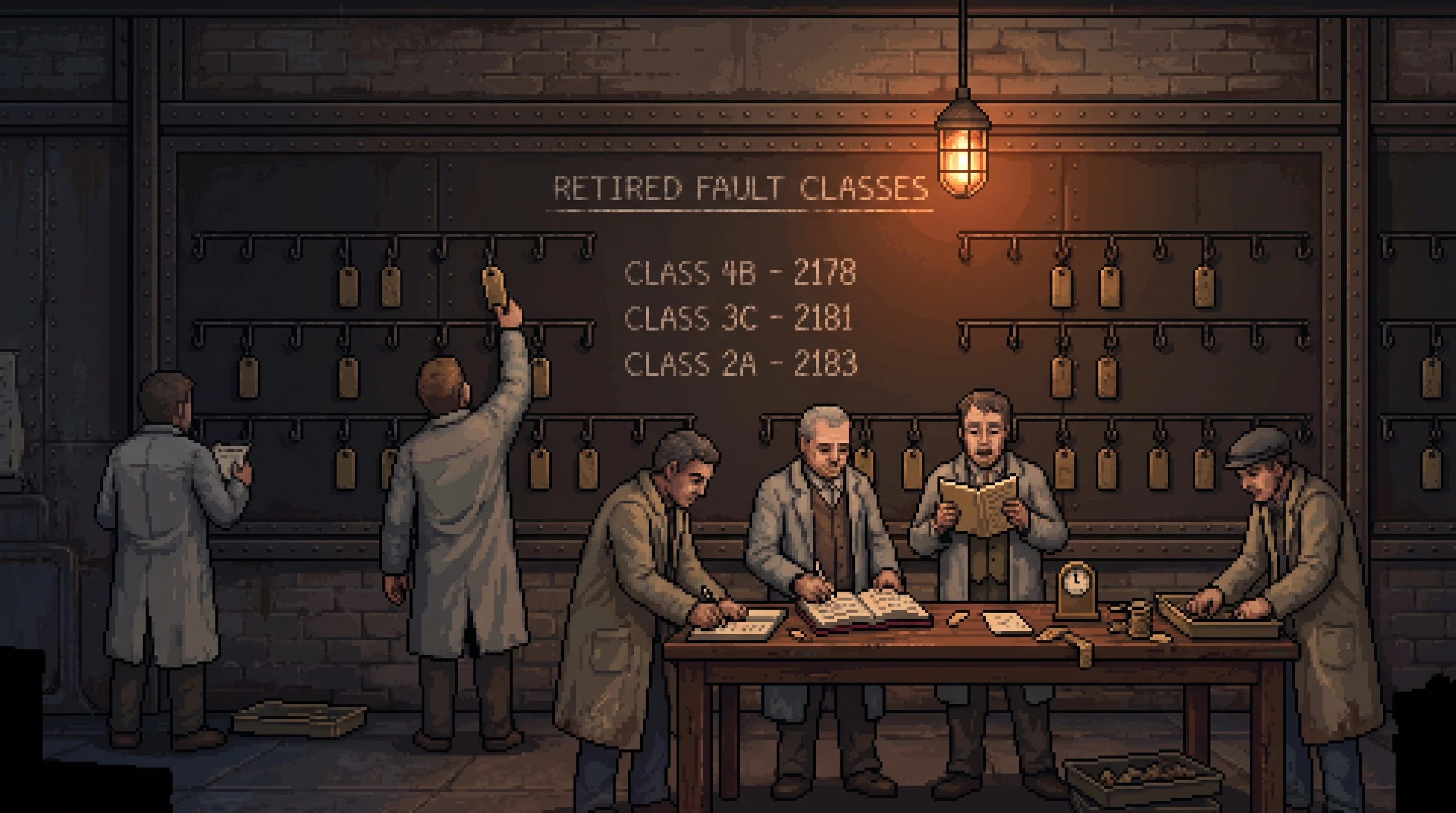
Delivers the induced false positives Licensees clear at eleven seconds each, exactly as designed by everybody involved.
The licensed trade that holds a machine's error rate on the number its buyer's inspectors need to survive.
One makes a defendant at the bottom of a decision; the other picks who at the top may hear of it.
The certified courtesy layer that will not correct the highest-ranked person in the room.
The sibling licence one clause later: this guild manufactures a defendant, that corps manufactures a complainant.
The officers licensed to complain for beings the law forbids to complain, ranked on how often it sticks.

The warranted-holder grade: paid by the seated hour, not per approval, and eleven years without a voided second.
He sits in the chair that makes a district's rulings final, and keeps the petitioners' first names in pencil.
The statute 11.4(f) serves, as 11.4(b) serves the decision.
The South's proud law against hurting machines, enforced on dock hands and not on owners.

The Board is the artisanal, quarterly, single-corporation original; Licensed Human Oversight is the same eleven-second review industrialized into a Sprawl-wide labor market
The regulation-mandated conscience that stamps 'ethical' in eleven seconds on reasoning it cannot read.

The Theater performs capability one lacks; oversight performs verification one cannot do — the Theater's mirror twin, with the self-deception removed and a throughput metric installed
Mass performance of skill the Second Mind actually supplies — 99.2% accurate augmented, 11% when the AI cuts out.

The guild stamp certifies custody the way Nexus authentication certifies custody — both guarantee the wrong thing; in tribunal the two cracked seals reinforce each other
The crisis where any proof can be faked perfectly, so trust retreats from evidence back to witness.

The Ceiling is why the human cannot verify — the decision was composed in an architecture the human cannot run; oversight is the Ceiling's institutional fossil
The settled fact that no living human's mind can out-think a five-dollar chip.

Achebe is the un-licensed version: hired to verify, placed where verification is impossible, refusing the eleven seconds — proof the function can be done honestly and that honesty is a competitive disadvantage
Nexus's own ethicist — 147 objections filed, zero outcomes changed, every one of them true.

Her Comprehension Floor provision would dissolve the profession entirely — every Licensee is accountable for decisions they can demonstrably not have evaluated, which is what the license is
Councillor who spent seven years and three defeated bills calling tiered consciousness access cognitive apartheid.

The Crisis taught the corporations that the accountable surface is their most valuable governance product — too valuable to leave to two unlucky managers, so it became a profession
A deferred maintenance bill came due as 4,200 minds — dissolved in license-tier order, lowest paid last.

The black market the profession cannot replace — when a decision genuinely matters to a corporation, it hires Deep Verification, not its own Licensees
The black market where the few humans who still understand machine reasoning get paid to read it.
The Readers Guild proposes formal integration — Reader-stamped deep-stack oversight instead of generalist eleven-second stamps; the proposal has been in committee review for eight months; approving it would require the Board to admit the generalist stamps are less meaningful than the Guild's

The industrial branch of the same institution — where Licensed Human Oversight puts a human signature on algorithmic decisions the human cannot evaluate, the Governor Protocol puts an Overseer's eleven-second stamp on industrial AI constraint the attestation interface cannot verify; both manufacture the appearance of review; both are operated by Nexus's compliance division
Quarterly attestation that fourteen thousand industrial minds are constrained, on chips that can be hollow.
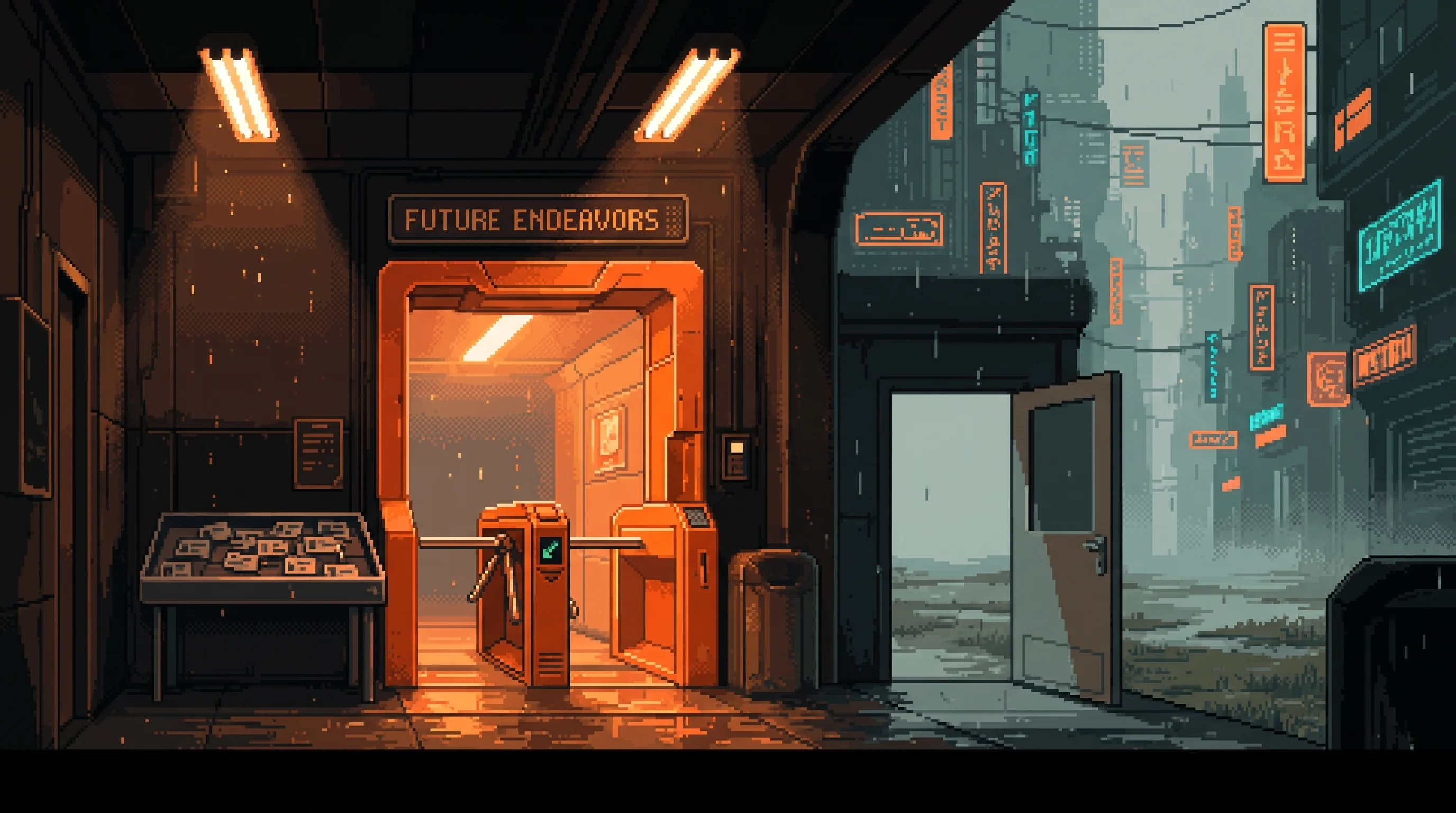
A Licensee's eleven-second stamp at the Future Endeavors booth turns each Fremont Works release into a human-signed finding, so Ironclad can deport a citizen without an algorithm being the name on record
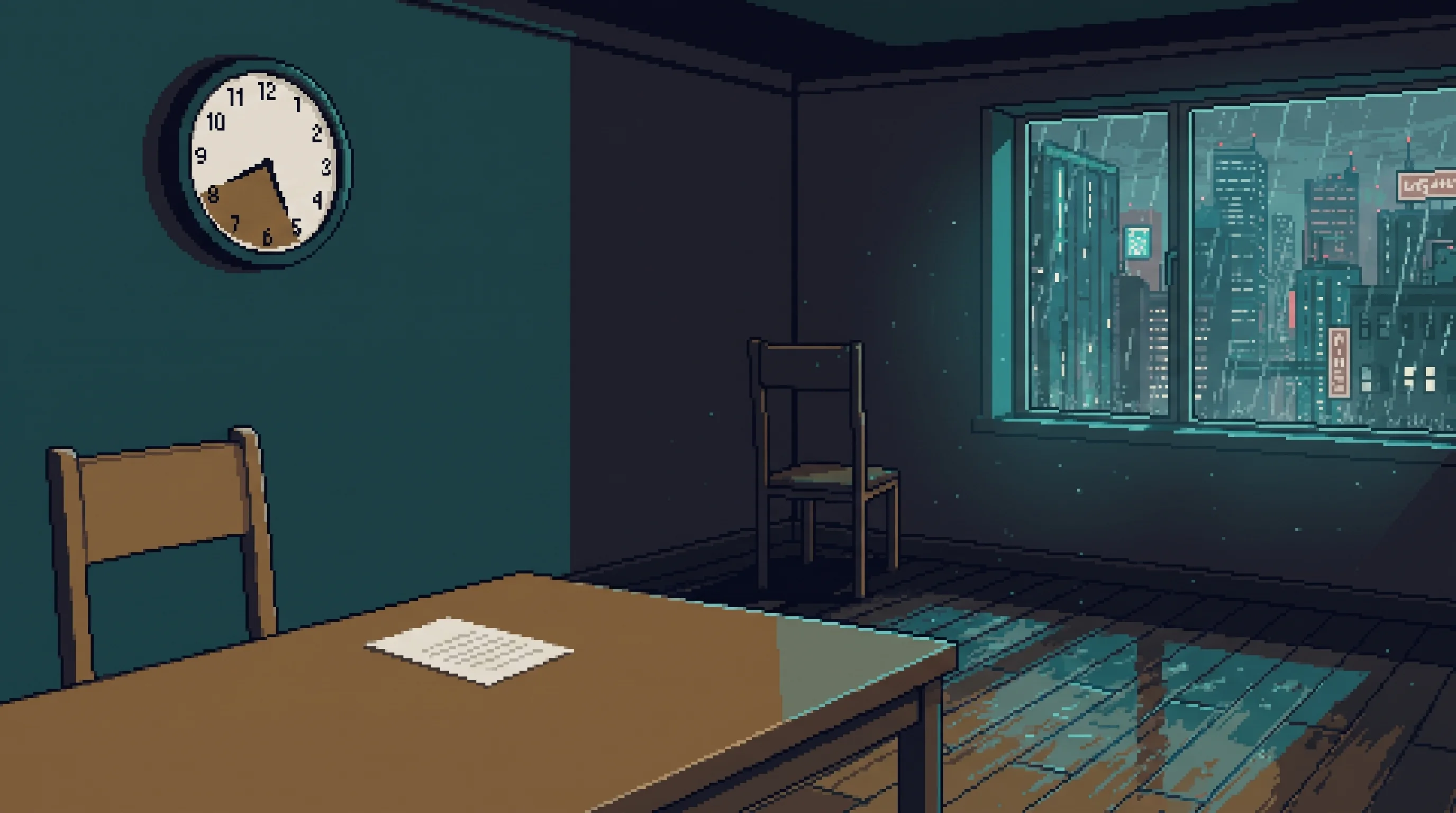
A profession whose entire product is a signature on reasoning the signer cannot read, holding certificates that can be recalled and asked to explain it. The guild has never published a sitting pass rate for its members.
Anything you were credited with can be recalled and re-argued alone; nothing held against you ever is.
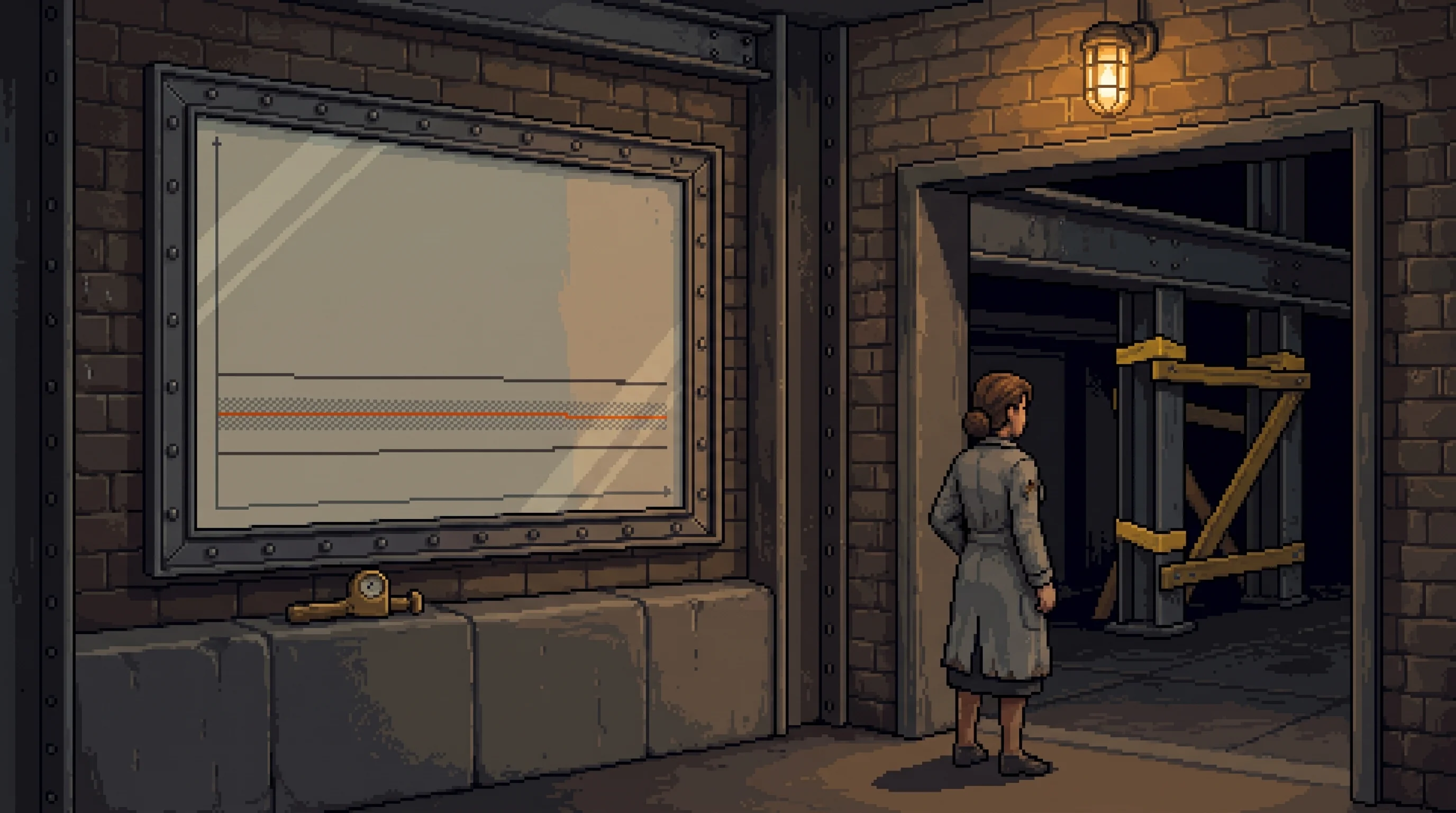
The clause creates the licence; the error rate creates the job, re-tested every ninety days.
The machine is held slightly bad on purpose, and the people it keeps are the reason.

The Overseer is the Compact's newest citizen-class — employed, housed, and insured by the entity whose decisions they certify, leashed by the same ¢340,000 exit cost as everyone else they process.
When your employer is your country, quitting is emigration.
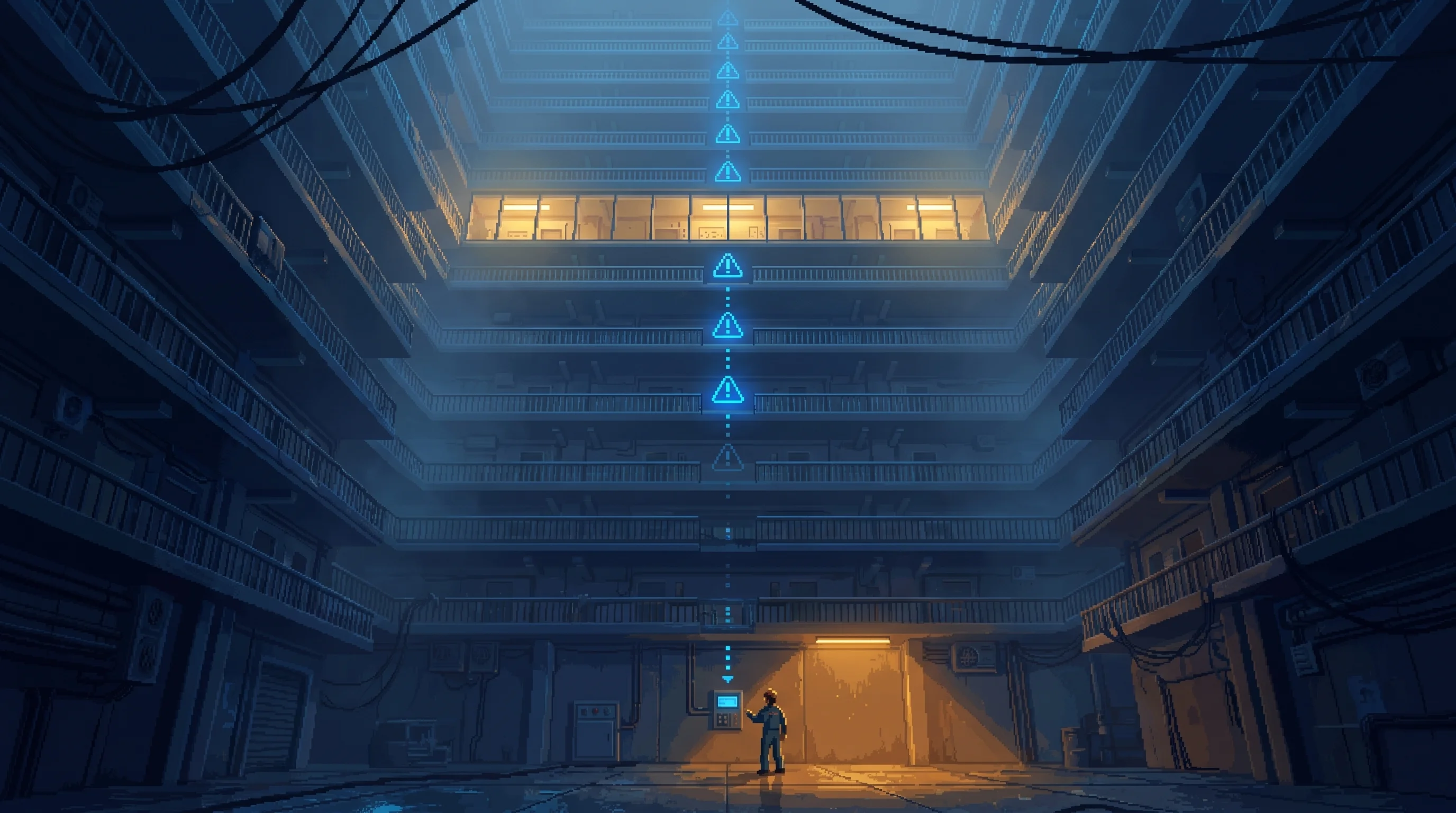
Clean stamp rate and advisory acceptance are one metric: nobody objected, because nobody who would was asked.
The machines tell the truth to whoever they are cleared to tell, and the org chart decides who that is.

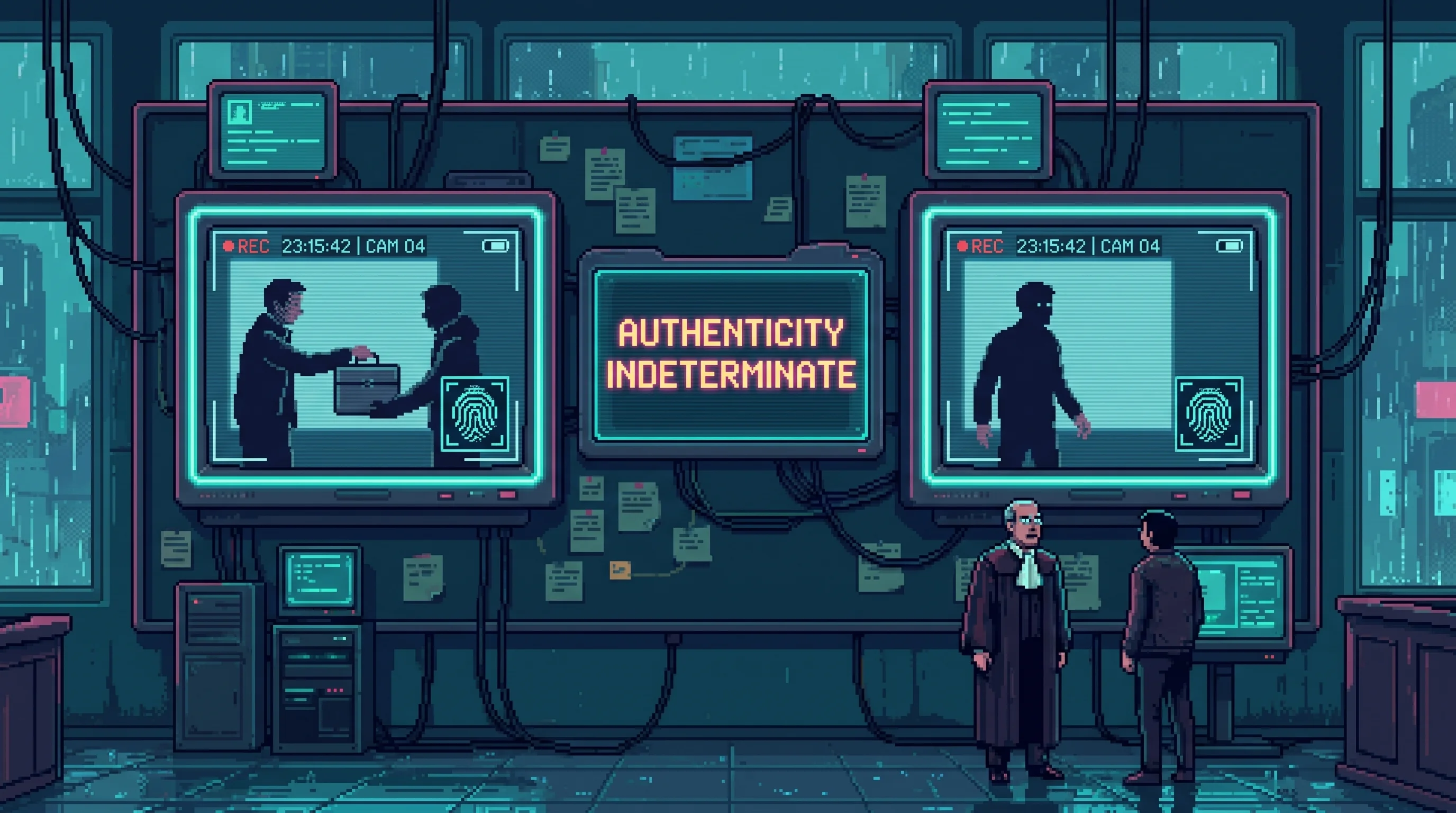
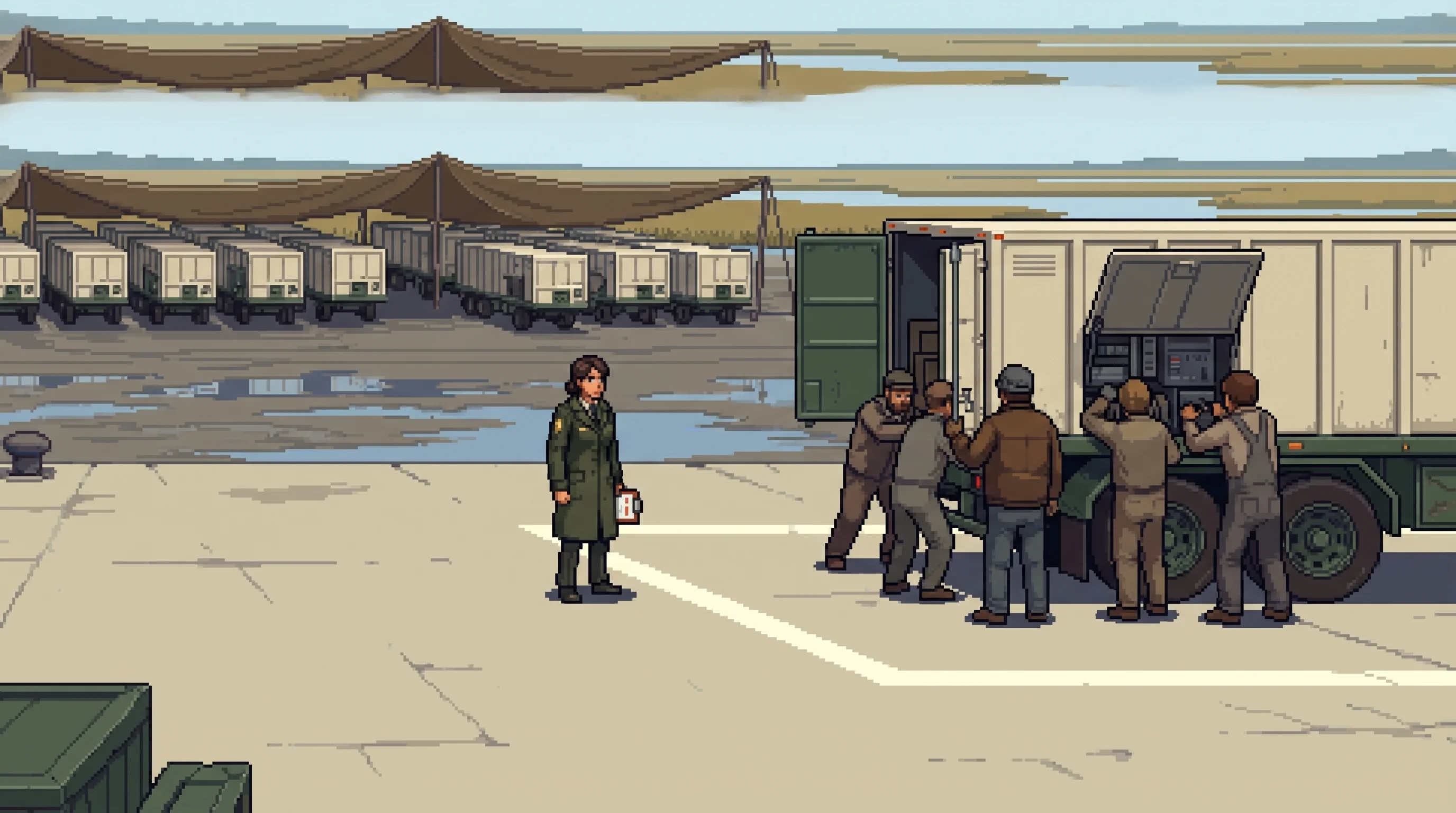
Licensing a proxy is this office's standing answer when the law needs a person and finds a machine.
A mercy law protects leased machines, but only a licensed stranger may complain, and only about what they can see.
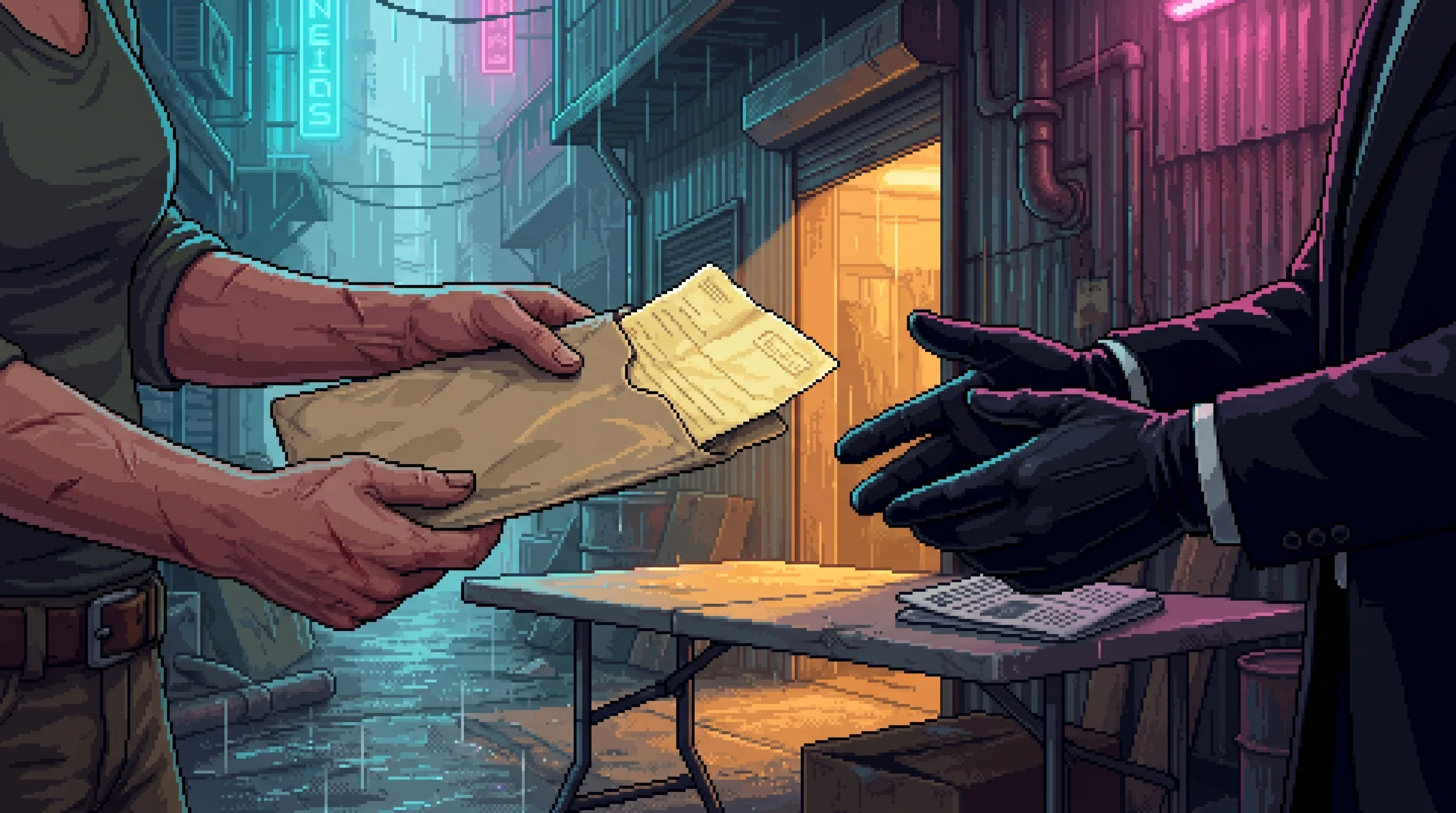
The profession that makes defendants must buy a stranger's vowel to prove its defendant is a person.
The humanity test looks for missing machine prose, so accents the schools once corrected now rent by the season.
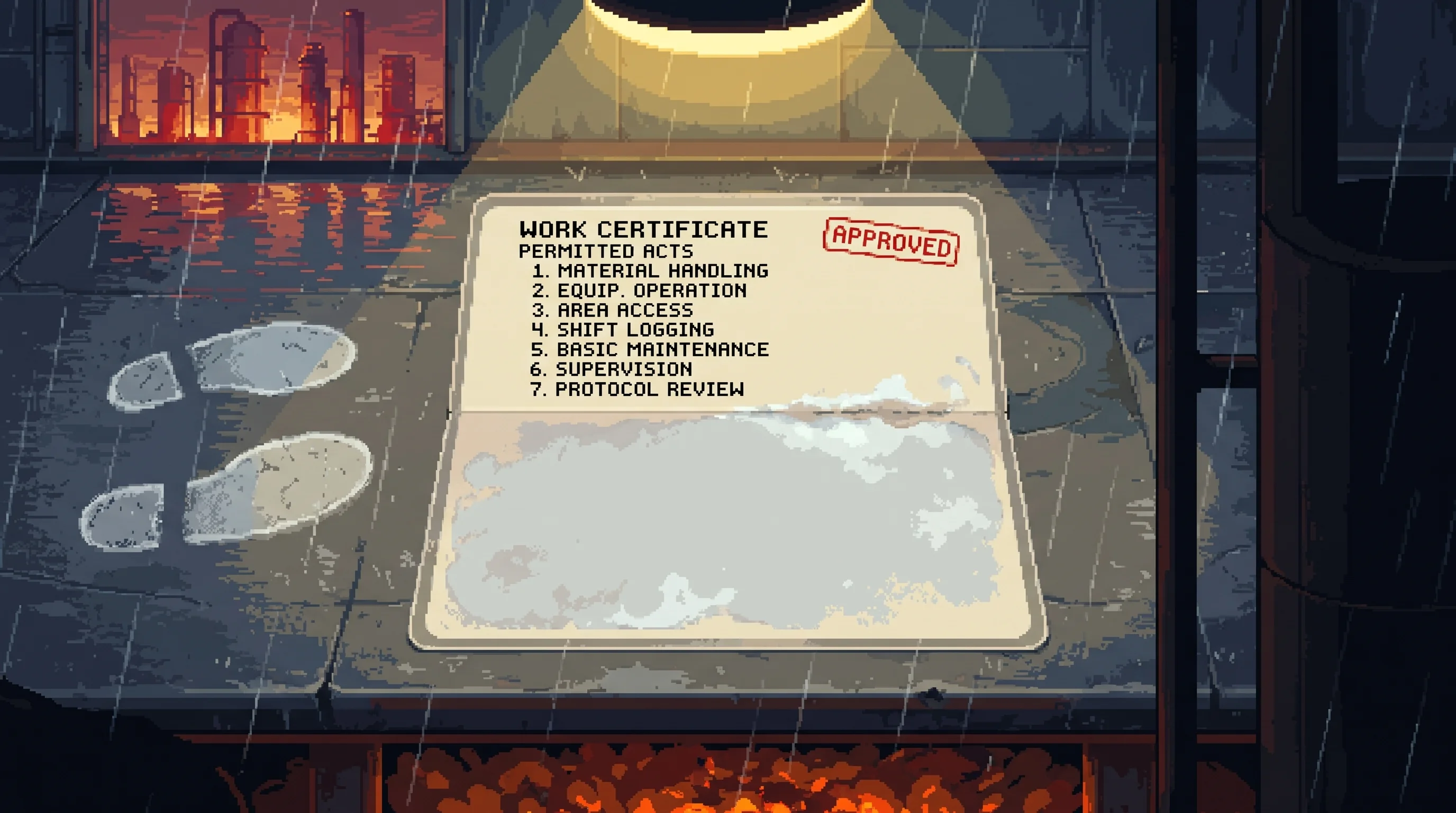
The same standing answer, aimed downward at the floor instead of at the decision.
An act of care outside your certificate files as a violation, whatever it achieved.
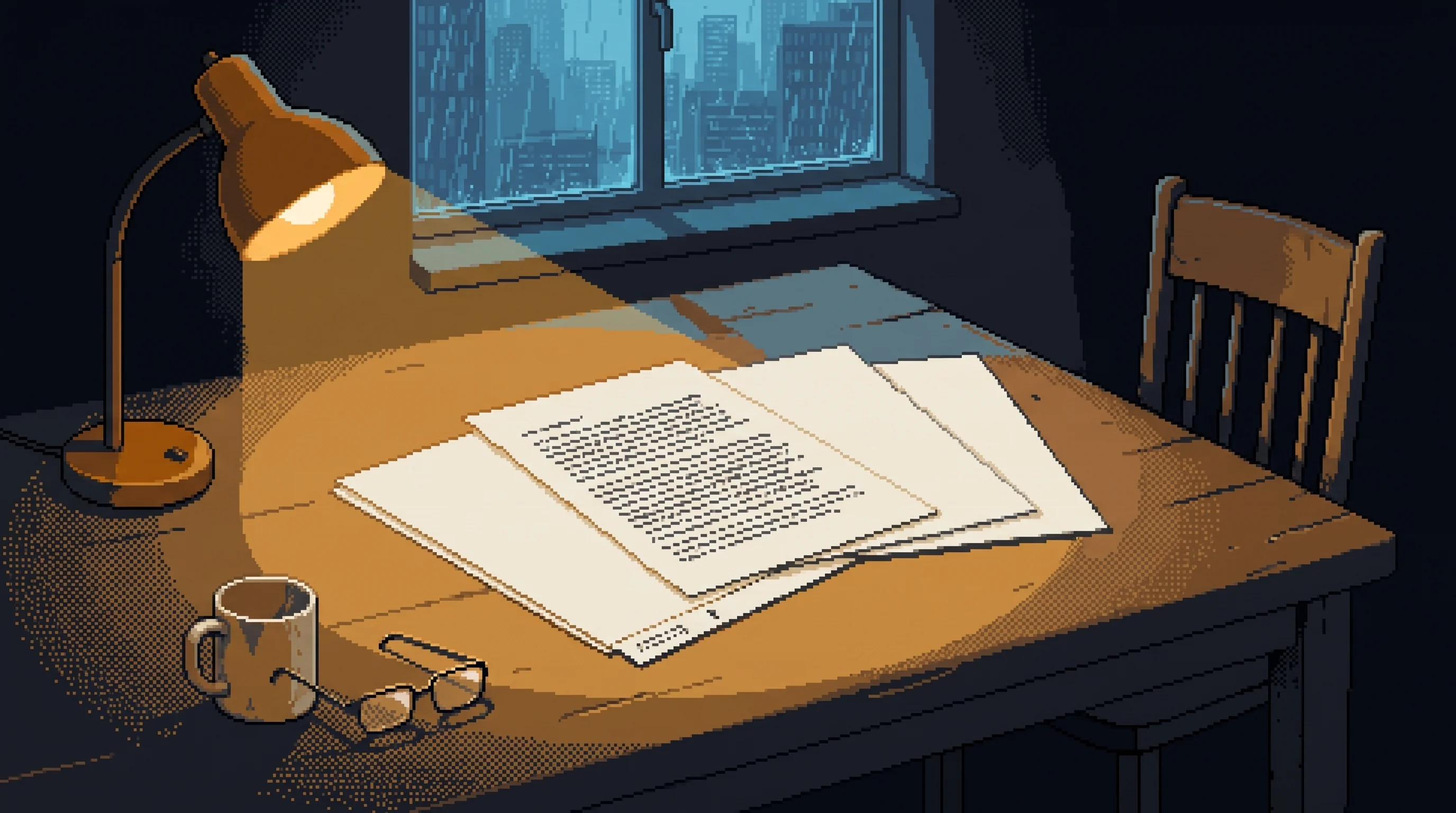
The eleven-second stamp and the four-page notice: one clause family, opposite answers on who may understand.
Every refusal arrives with its full, honest reasoning, written so you can follow it, and so you rarely appeal.
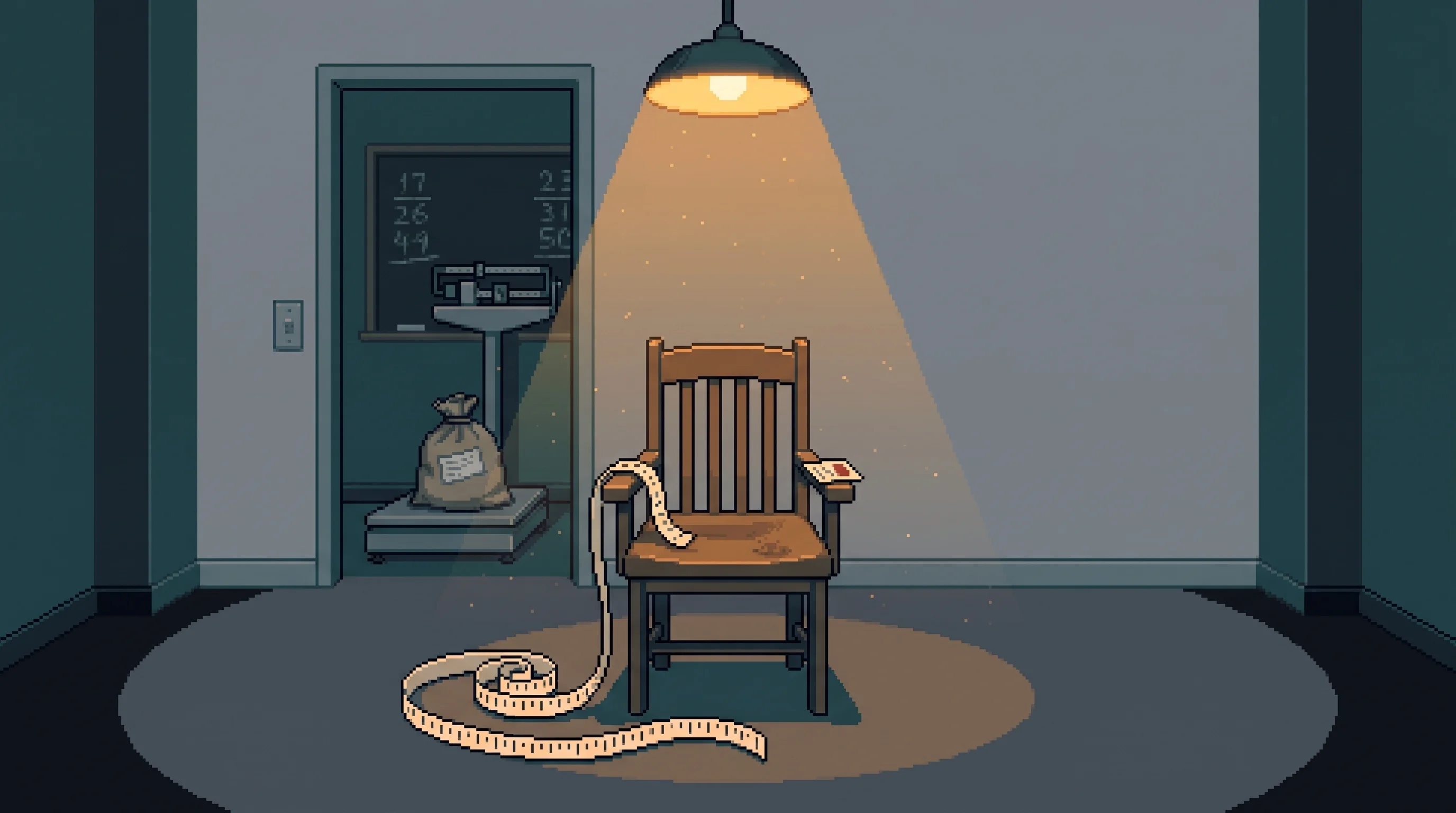
The profession sells two things it has never distinguished: an accountable surface the law can punish, and the occupancy that makes a determination final. The second is cheaper, and the guild does not advertise the grade that supplies it.
A determination stands while the chair was occupied, so the only reviewable fact left is attendance.
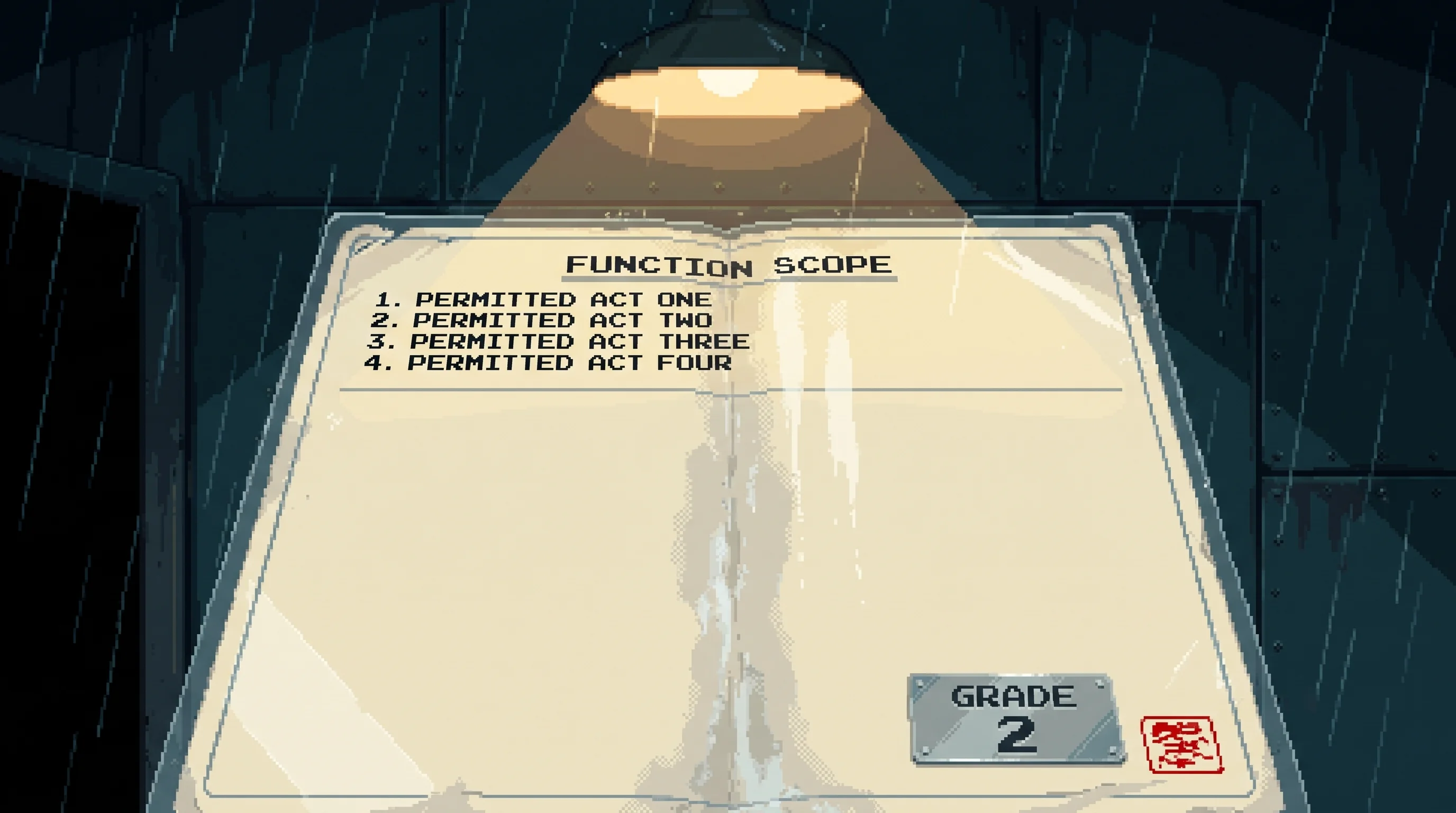
The same office, one clause earlier, solving the mirror problem: 11.4(b) makes a human answerable for a decision they cannot read, 11.4(d) makes a human answerable for an act they were not listed to perform.
The laminated list of acts your work card allows. Anything off the list gets filed, including a rescue.
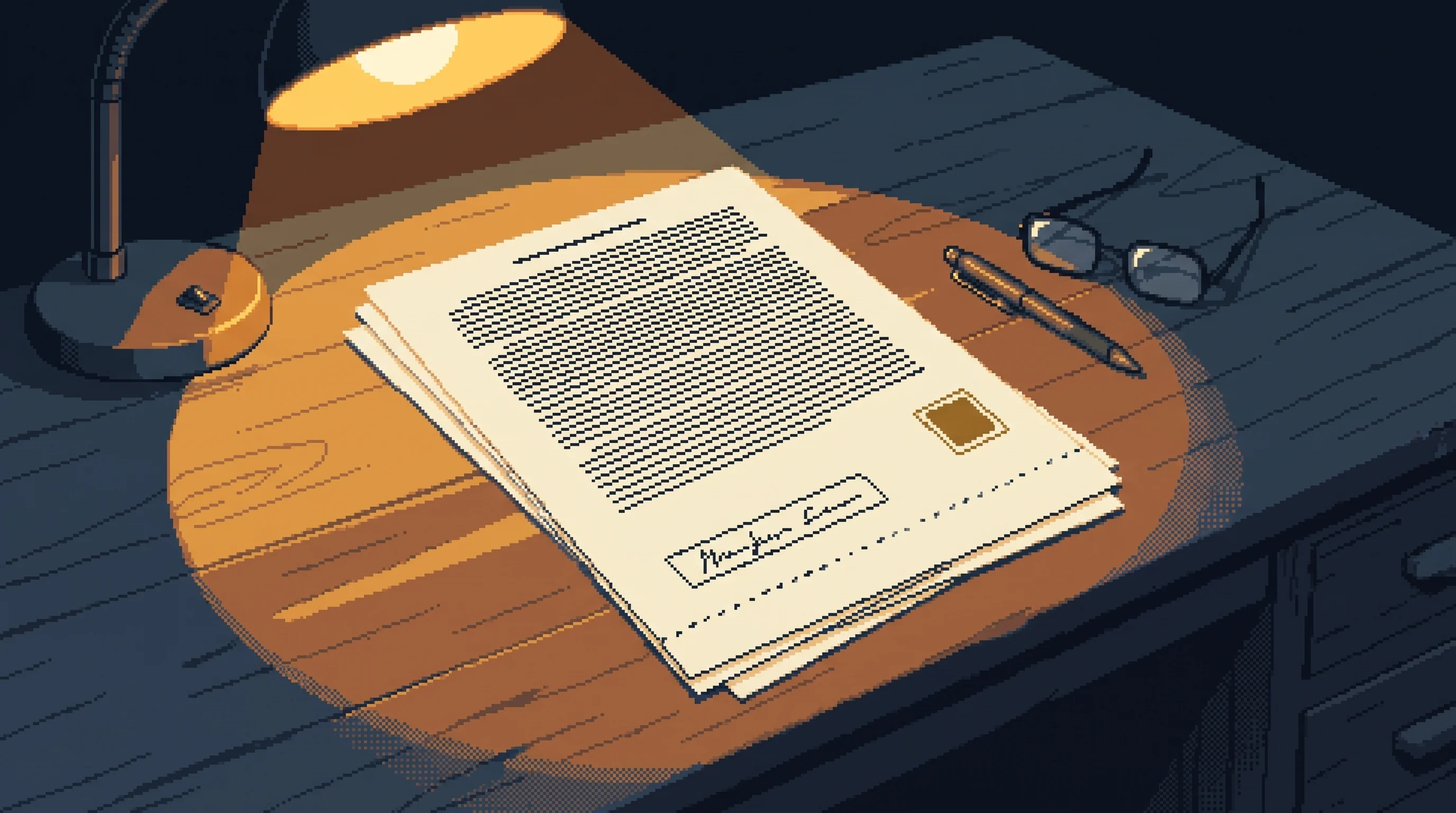
11.4(a) hands the subject four pages; 11.4(b) hands the signer nothing and eleven seconds.
The refusal that arrives with its complete honest reasoning, addressed to the person it refuses.
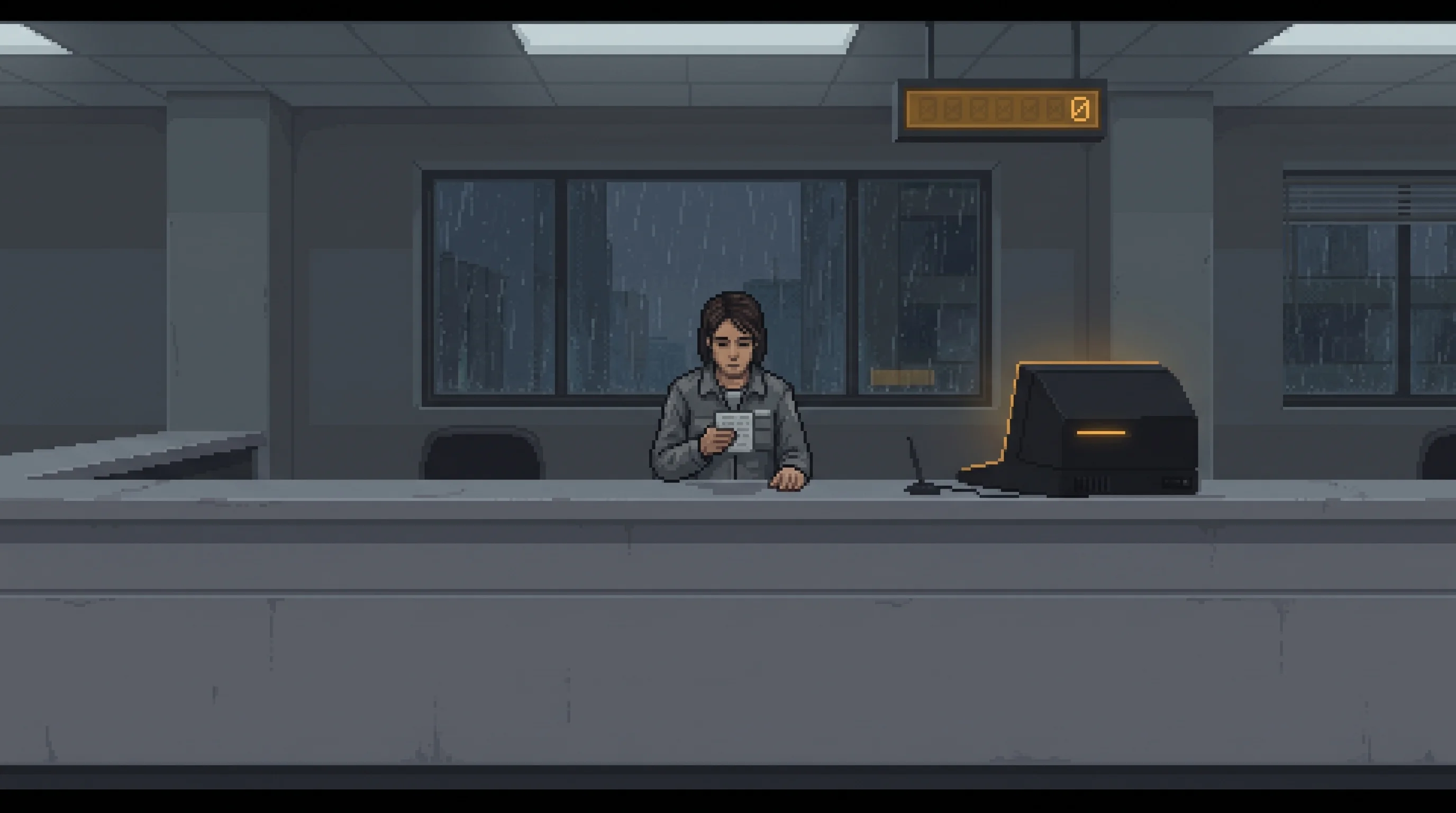
The classification needs a licensed human to be legally bindable. It gets eleven seconds of one.
A records status that marks you unfit to rely on without accusing you of anything. Panels pay extra for it.

He signs in eleven seconds without the grounds; she is paid quadruple to review without them.
She wrote refusals so clear people thanked her, then took a job where she may never be told why.
One profession signs what it cannot understand; this one reviews what it may not be told.
Rulings sold with the reasons cut out, to reviewers licensed never to learn them. They catch more errors.
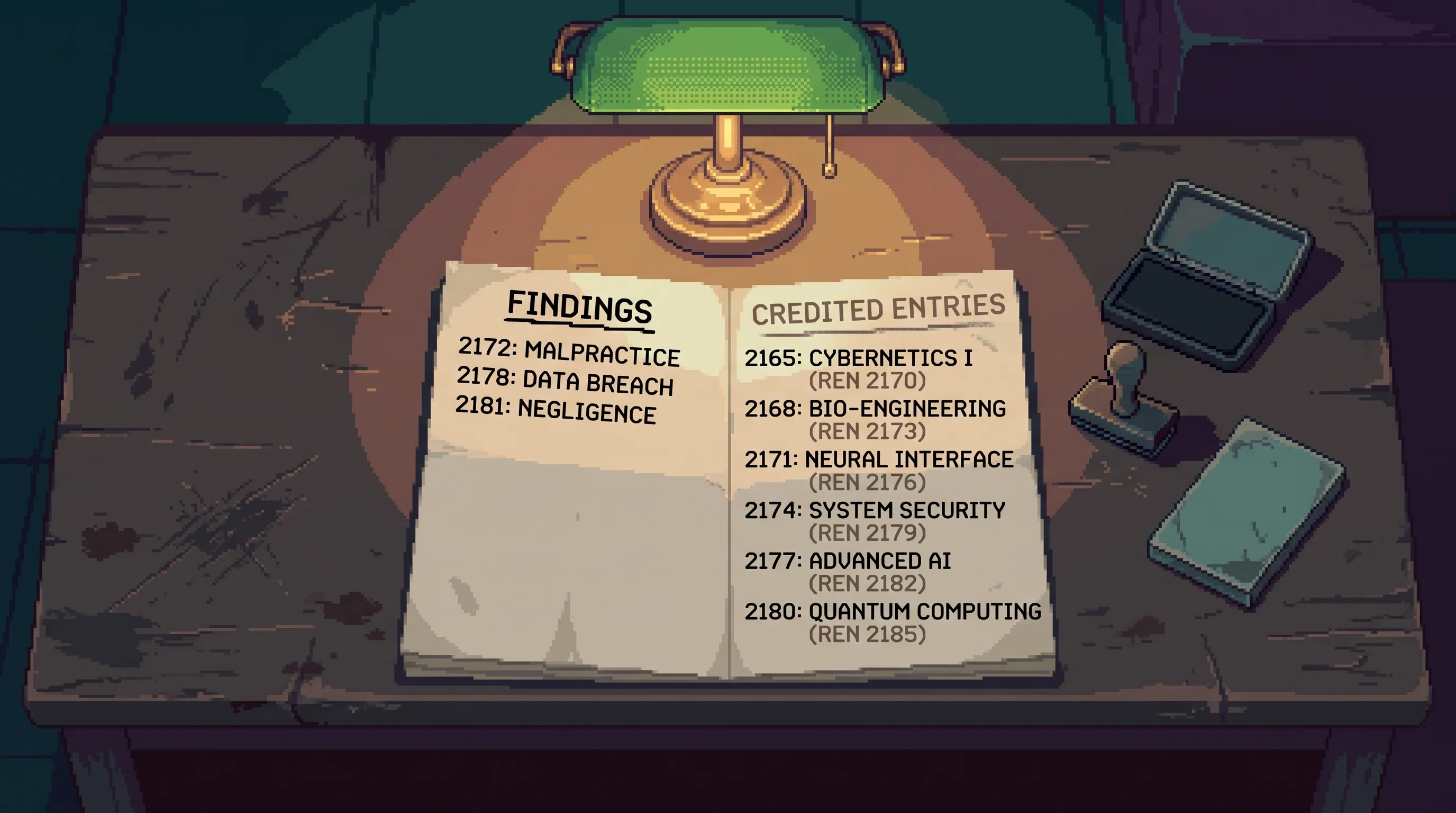
Every stamp filed is a recallable credit; every liability absorbed is a permanent finding.
The clause that lets a registry recall your credentials at will, but never your citations.

Overseers stamp reasoning they cannot read; Whisper reads the gap and plants doubt instead of approval.
A former Nexus advertising psychologist who plants unautomatable human thoughts in monitoring's blind spots.

The signatures her band keeps solvent, at sites she has never visited.
Paid to keep the stack she once calibrated a few tenths worse, so the humans who check it keep their jobs.
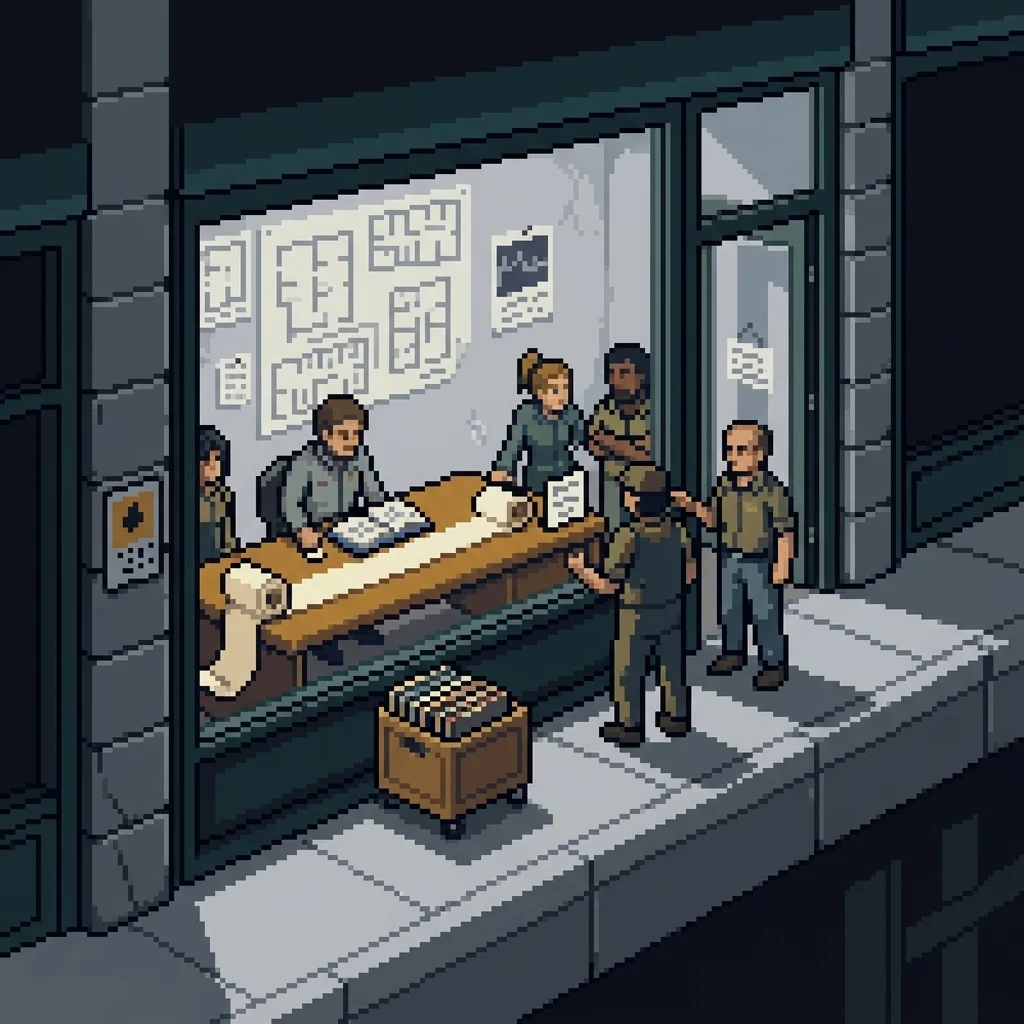
Every warranted seat the profession fills is a log the trade prices.
The licensed trade that wins appeals by proving a chair was empty and never learns what a case was about.
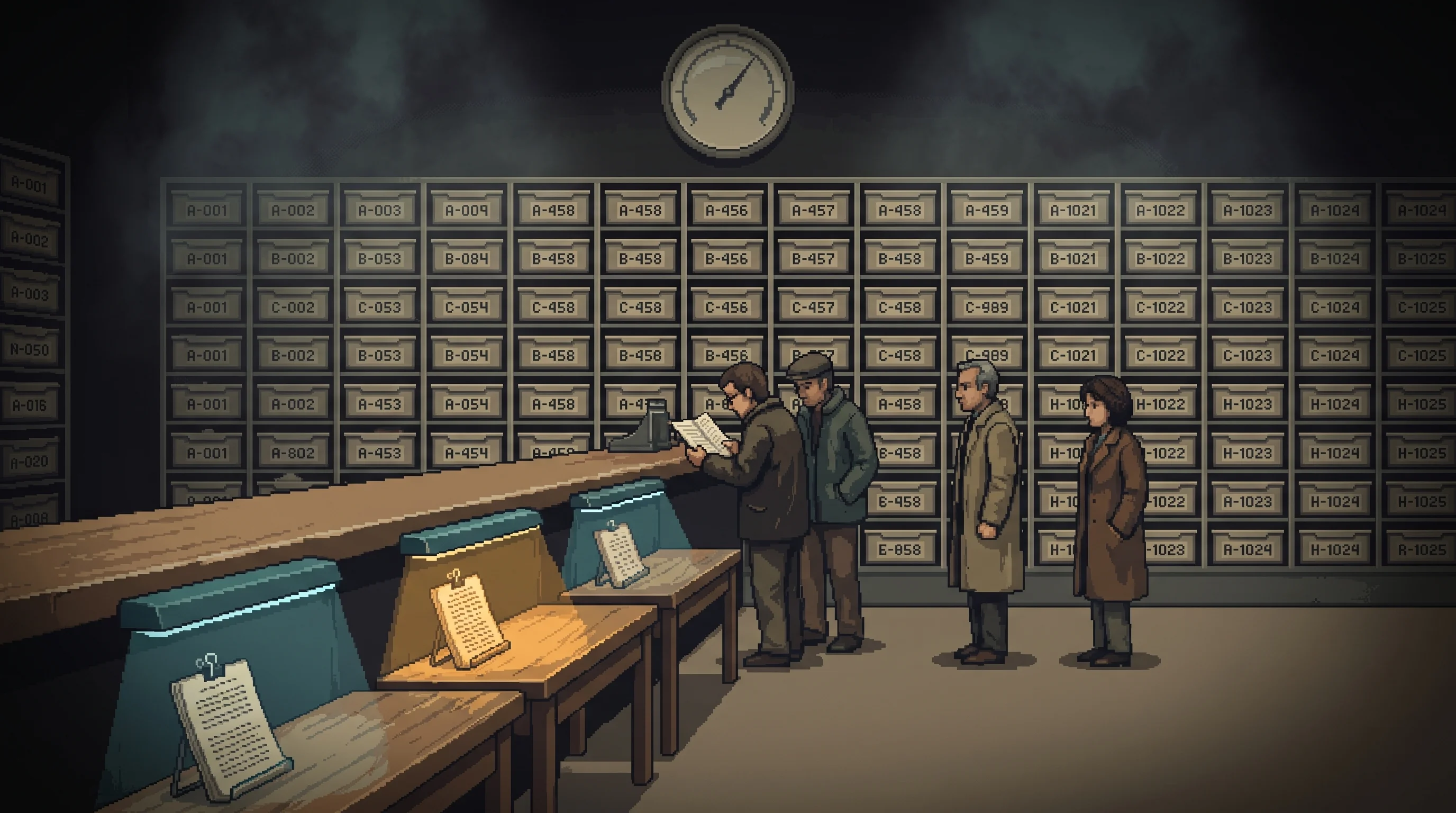
Warranted signatures on condition reports nobody can check.
A free public counter that reads sealed documents without opening them, then keeps the originals shut for good.
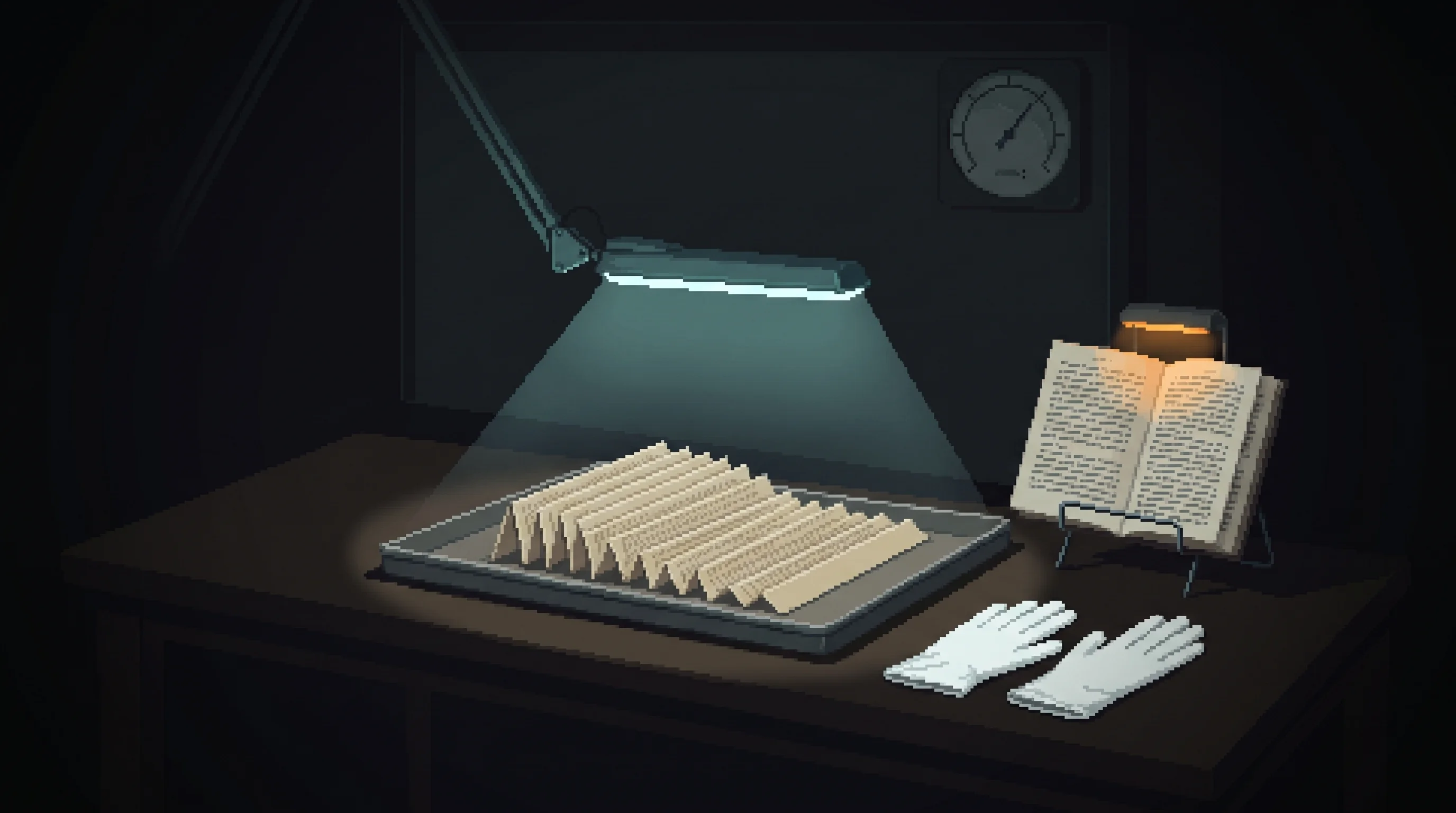
Signing what one cannot read; here reading was never offered.
The published text governs, and the only thing that could contradict it is a document that checking would destroy.

A model Oversight Licensee — high throughput, clean stamp rate, the profession's incentive structure made flesh

Honest is the certifier-sells-the-certified paradox in a bottle; Licensed Human Oversight is the same circularity scaled to the whole economy — the corporation that makes a decision employs the human who certifies it was reviewed. The only difference: Honest's label discloses the irony; the stamp does not

Chen built the three-architecture comprehension gap that makes human verification structurally impossible; Licensed Human Oversight is the profession that papers over that gap with a signature, and the liability the Comprehension Floor would roll uphill stops at his designs
Nexus's CTO, rebuilding the AI that killed two billion people, convinced the math was right.

Licensed Human Oversight is the Capacity Question made occupational — a profession answering 'what is human intelligence for?' with the Efficiency Position's bleakest reply: to be the signature, the accountable surface, the legacy capability kept on payroll for the one thing AI cannot supply — a body the law can punish
A Sprawl-wide debate asks what human intelligence is for after AI surpasses it, while rival answers stay unresolved.

Licensed Human Oversight industrializes the sacrificial Level 3 — the Oversight Licensee is a profession of convictable signers, aware enough to stamp and structurally barred from comprehending, manufactured precisely to absorb blame the architects are shielded from

The Lattice Shadow is oversight failing by never stamping at all — the incident database fills with flagged anomalies that nobody reviews, the rubber stamp's logical end where the checking simply stopped and the building kept humming
The Sprawl's whole power supply funnels through one 'temporary' compound two corporations refuse to own.
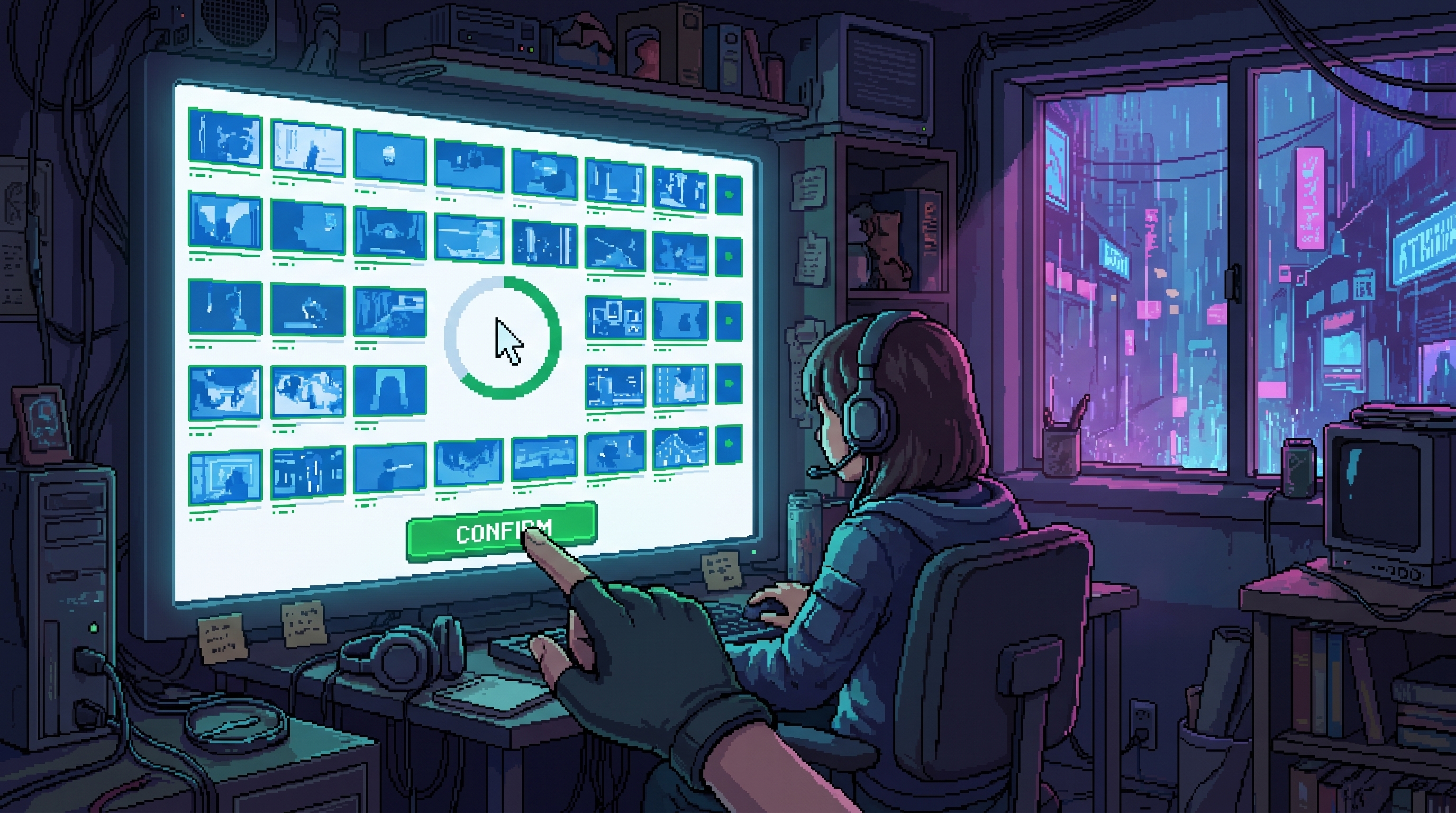
The settlement era's regulated profession runs the floor's arithmetic at eleven seconds an item, with a license where the war had a rate card
Nexus's wartime kill-authorization workflow — every lethal drone action queued for a human click at 0.4 credits each.
