The Re-Defence
Asymmetric Re-Proof of Standing
Everything you're proud of, on recall
Nothing you were blamed for will ever be reopened. Everything you were credited with can be.
The Core Tension
The cheapest audit there is
Provenance settled who wrote a page and not who understood it. Districts filled with signatures on reasoning no one in the room had followed. Forty unassisted minutes and a plain question is a cheap check, coaching cannot beat it, and nine holders in ten pass.
What it costs
A lapse on one old entry unbuilds every later certification that rested on it, even when the work itself still stands.
A ledger that only runs one way
The sitting arrives once, at random, decades late, and judges work by a standard of unassisted recall that was not the standard when the work was done. Credit is always provisional and blame is always final.
What it costs
Making findings recallable too would mean arguing in public that findings against people should be easier to lose.
The case for the sitting is strong. The Authorship Assay proves a machine did not write a page. It does not claim a person understood it. The Authenticity Tribunal can name every system that touched a document. Licensed Human Oversight stamps decisions its licensees cannot read. The Competence Theater measures what is left when the assist cuts out. Competence Atrophy is that loss at civic scale. The published pass rate is 91 per cent.
The case against is about timing and direction. The draw comes once, at random, often decades late. Failures cluster in entries older than ten years and in trades where the derivation was lawfully delegated. In Zephyria, the Analog Exam runs the same test publicly, by choice, and calls a pass an achievement. Here it is a liability that never matures.
It also reshapes the Permanent Record argument. The archive still keeps what you were ashamed of. On request, it can erase what you were proud of.
Overview
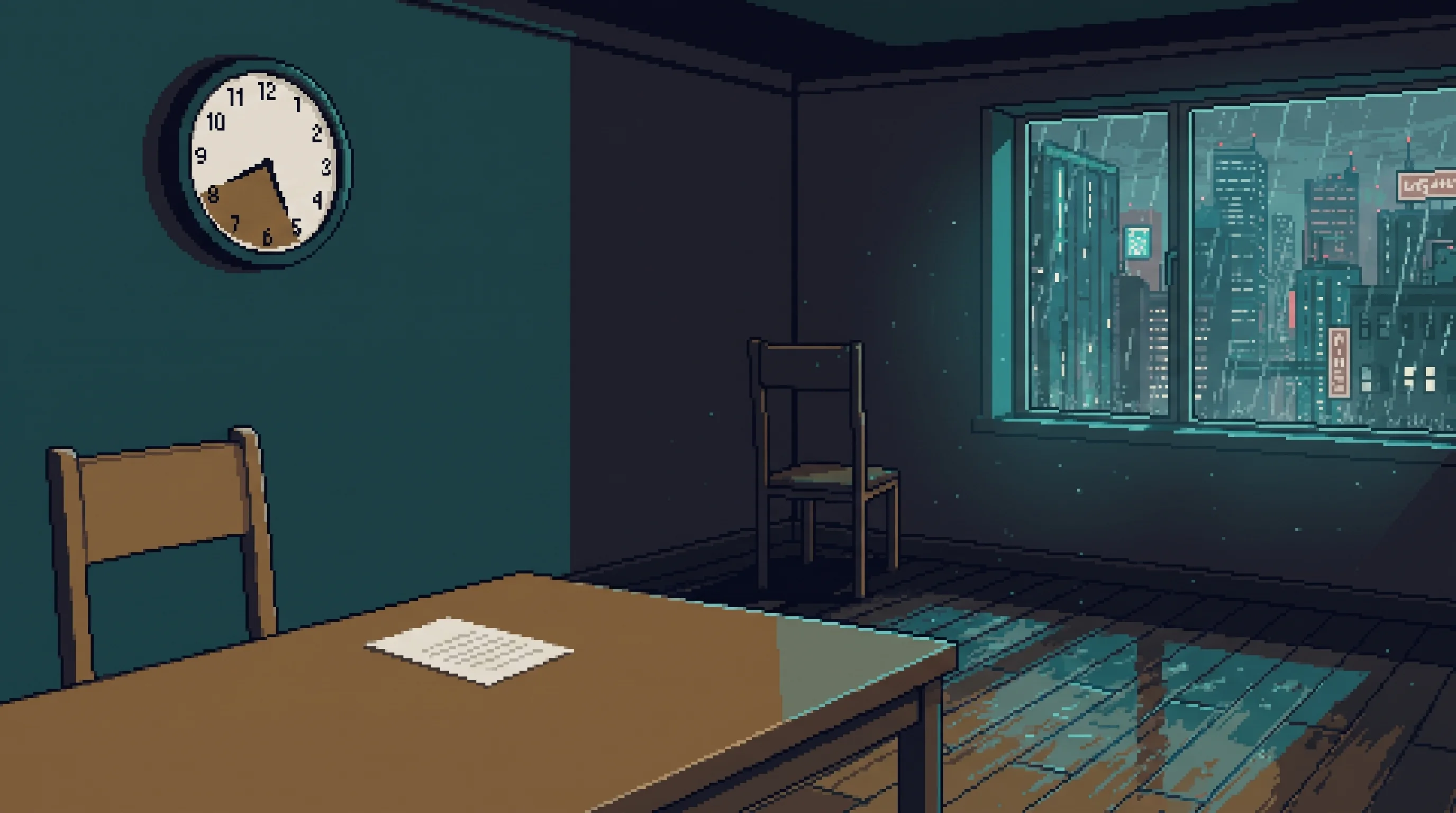
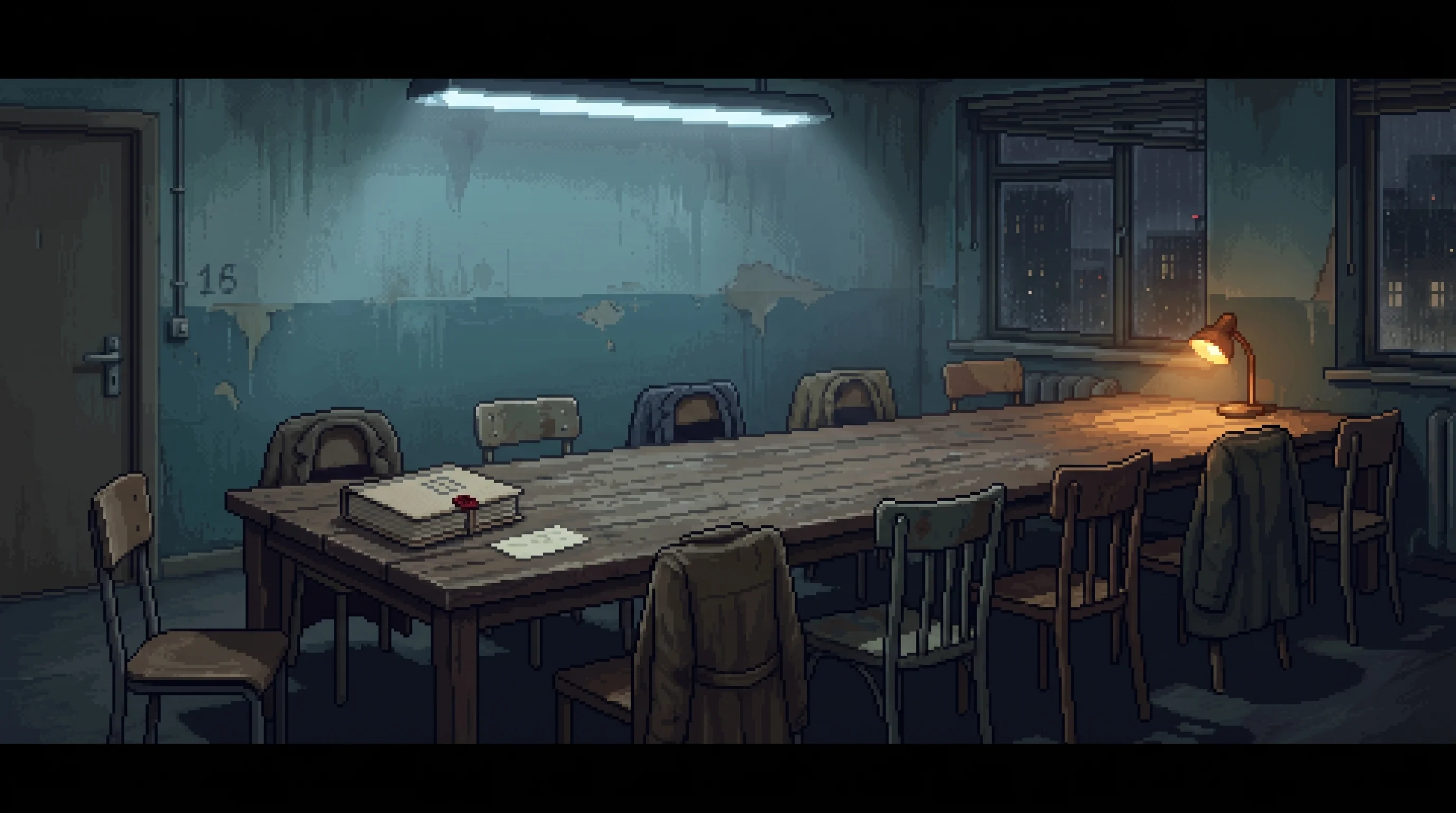
The sitting room holds a table, two chairs, and a clock with a forty-minute sector inked on the face by hand. Before the holder arrives, the clerk carries the second chair to the wall and turns it to face the plaster. That step is published procedure.
Iona Draskovic sits down and turns over the sheet. It names a load case she signed in 2170 for a shoreline span. There are no notes, no interface and no advocate. She answers the first question and most of the second. The third asks her to derive the governing combination without the tables. She cannot, and she says so.
Her licence lapses at the table. Then the strike runs downstream. Every later certification that named the 2170 entry as its basis goes with it. That was twenty-two years.
The span is load-tested every spring. It passes.
How It Came To This
For years the tribunals could not tell a composed document from a made one. So they put people in a room and made them account for it aloud. By 2166 the tribunals had dropped the live account as coachable and moved on to the Unbidden Record.
The district registries had adopted the same sitting in 2164, for certification, and kept it. Their argument is short, and they still recite it. "Coaching defeats a test of sincerity. It cannot defeat a test of comprehension. Teach a person to survive the sitting, and you have taught them the work."
Registry code 9.4 lets any credited entry be recalled: any certificate, qualification or authorship, at any age. One holder in forty is drawn each year. Clause 9.4(c), added in 2167, exempts every finding against a holder. The stated reason is that a violation needs no understanding in order to have happened. The Unrecalled Finding has not been amended since.
So the ledger runs one way. Credit is renewable on demand. Blame is final. The Dregs put it shorter: you can pay off a debt, but you cannot bank a life.
How It Is Lived
From notice to sitting, a recalled holder is In Contact: standing suspended, nothing alleged, for a median of nine weeks.
The Recitation Houses sell the nine weeks. The storefront tier sells the likely three questions for two hundred credits. The premium tier found that the one durable product was the discipline itself. It teaches real engineering, pharmacology and hydraulics, one holder at a time, billed hourly as legal preparation. It is the last general education in the licensed districts, and the price sorts the usual way.
Clean Lives tried to enter the trade. It closed its courses after three years. The work needed subject instructors, and subject instructors do not work at choreography margins.
The Stacks stand on foundations certified for twelve thousand people and hold ninety thousand. That certification is drawable like any other. A strike would remove the paper and leave the building. The draw is random. In twenty years it has not landed on an entry that would displace a district.
Iona now checks bay-floor work for builders who cannot file her findings. Ask her if the finding was wrong. She will correct you. She could not answer the question. That is a different sentence.
Start Here
- Would pass, never drawn. Old Jin (Jin Nakamura) can recite the whole Grid and refuses a certificate because it would be recallable. Mother Sarah Venn teaches the exact faculty the sitting tests at the Analog Schools. Marisol Trejo delivers reports from memory for money. Judge Dreg has run the Deep Dregs' court on live accounts for years, and declined to explain the method to two registry delegations.
- Outside the ledger. Dr. Bob Zane carries a restored licence and an unrestored void on one record. Ford Gibson cannot prove he wrote his own books and holds nothing to strike. Dr. Elena Voss is classified above the registries' reach. The Deep-Stack names no natural person, which the registries file as a relief. The Empty Defendant seats a chair for someone absent; the sitting turns one to the wall.
- Read next. Forgetting Wars, Proof of Flaw, Journalism / Freedom Thinkers, Last Human Smarter Than AI, Corpo-Nations and AI Haves and Have-Nots.
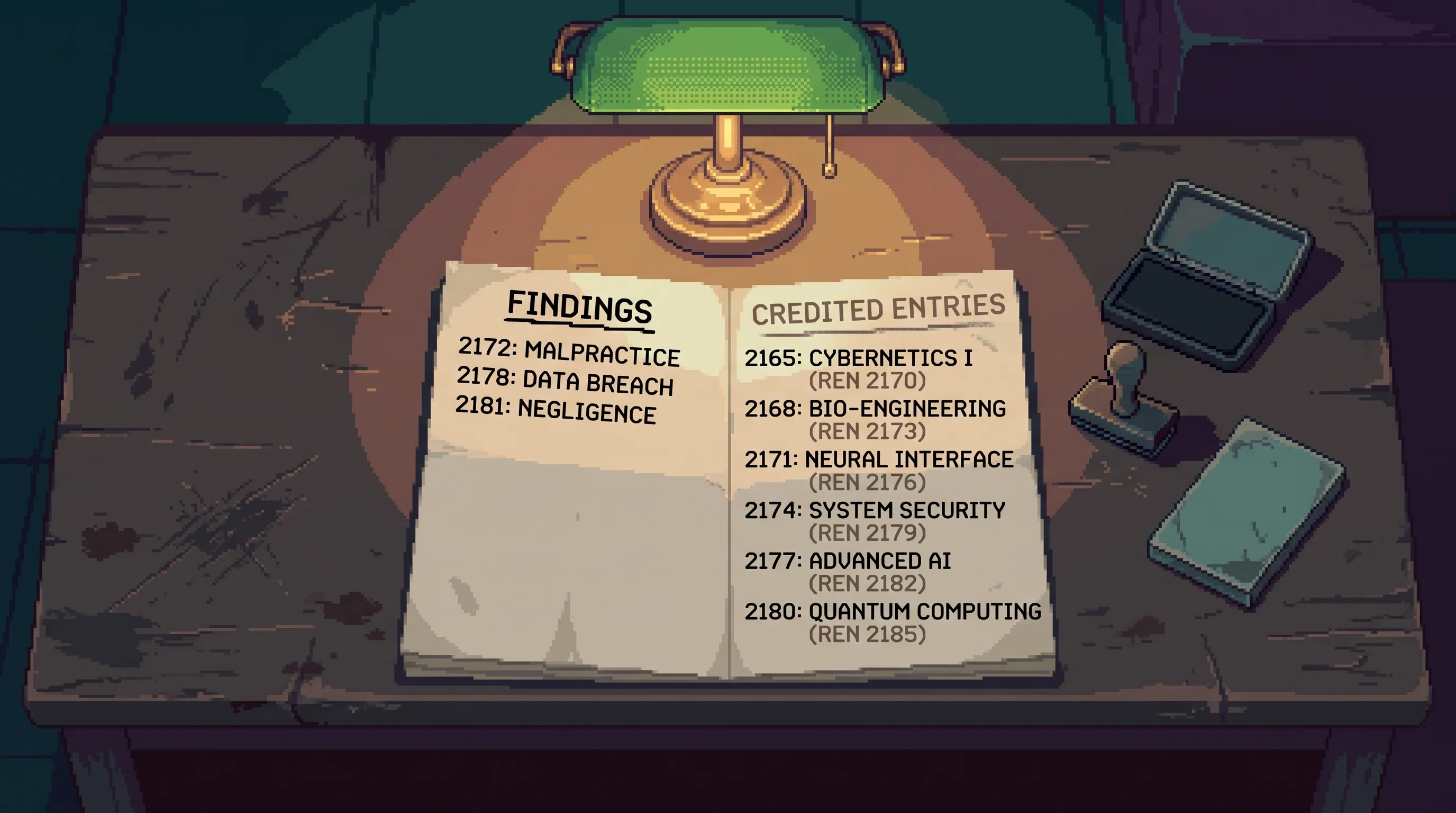
The exclusion that makes the ledger run one way. The recall power covers any credited entry; the clause exempting findings arrived three years later, on the ground that a violation needs no understanding in order to have happened.
The clause that lets a registry recall your credentials at will, but never your citations.

Engineer of record on a shoreline span, drawn in 2184, asked to derive a load case she signed in 2170, struck on the third question along with twenty-two years that had named it as their basis.
A struck engineer who would not bluff one answer, and now checks Dregs columns for pie and spare parts.
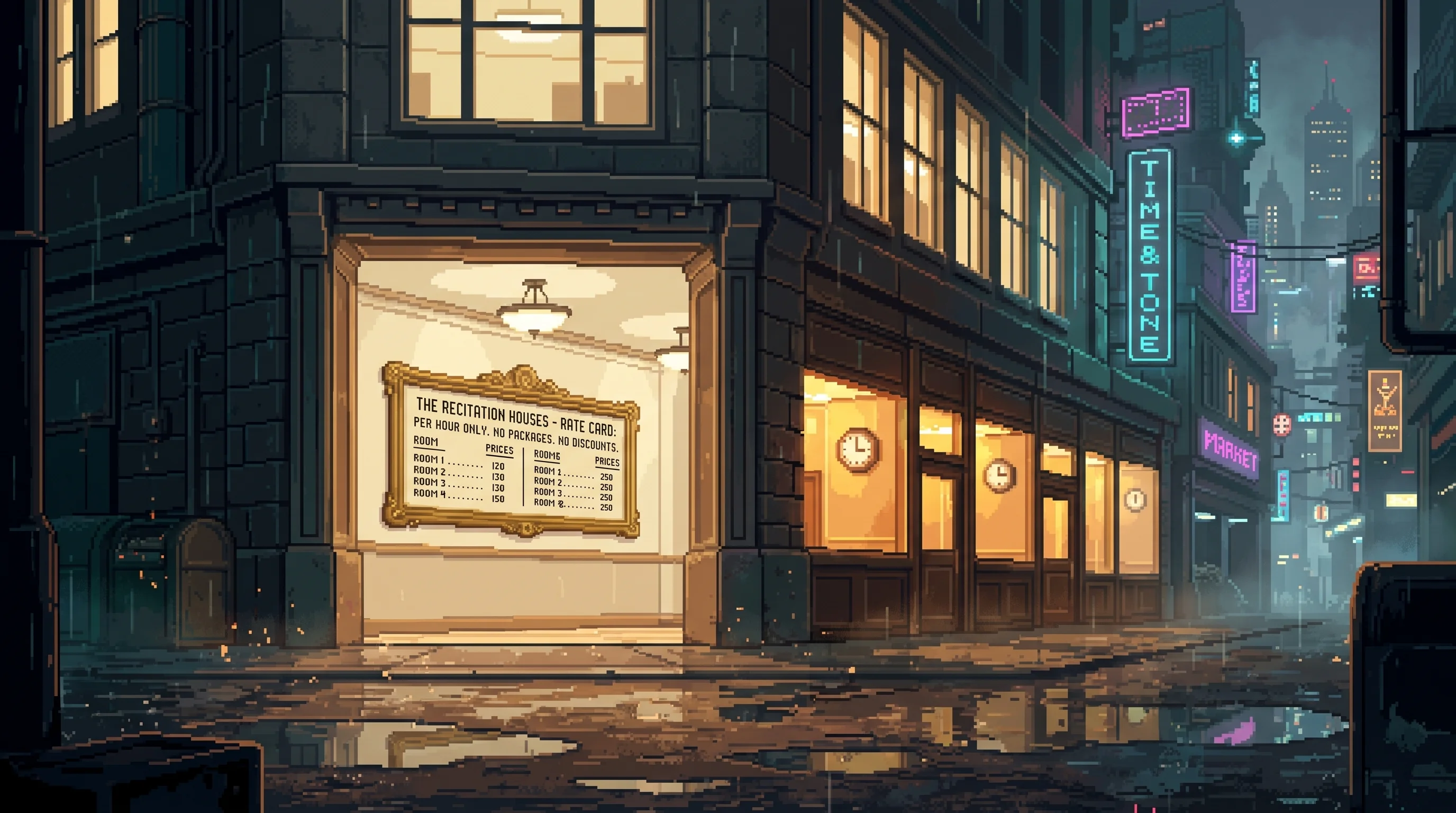
The trade that teaches the forty minutes. The storefront tier sells the three questions the registries ask; the premium tier could only produce a durable pass by teaching the discipline, and bills it as legal preparation.
The trade that coaches the unassisted forty-minute sitting, and found the only product was the work.

The reason the sitting works and the reason it is unsurvivable. Ninety-nine point two per cent accurate with the layer, eleven without — and the sitting is the eleven, administered once, retroactively, to work signed decades earlier.
Mass performance of skill the Second Mind actually supplies — 99.2% accurate augmented, 11% when the AI cuts out.

A regulated profession whose entire product is a signature on reasoning the signer cannot read, holding certificates that can be recalled and asked to explain it. The guild has never published a sitting pass rate.
The regulated profession of signing decisions a human cannot actually read.

The asymmetry printed on one record before anyone drafted the clause: an eleven-year void that never lifted and a forty-year licence that was restored, both current, both accurate, side by side.
A licensed substrate technician who expands other minds, refuses to touch his own, and ranks near the bottom.

The case the practice cannot process. He holds no licence, so nothing can be struck; his memory could not reconstruct the disputed early books; and the accuracy that made him worth pursuing would survive being struck entirely.
A novelist who has never touched a computer, whose books keep arriving before the things they describe.

Where the recall does not go. Ninety thousand people stand on foundations certified for twelve thousand and never resurveyed, and striking the certifying entry would condemn the building rather than correct it.
A vertical slum five buildings deep, 90,000 living on foundations certified for 12,000 and never resurveyed.
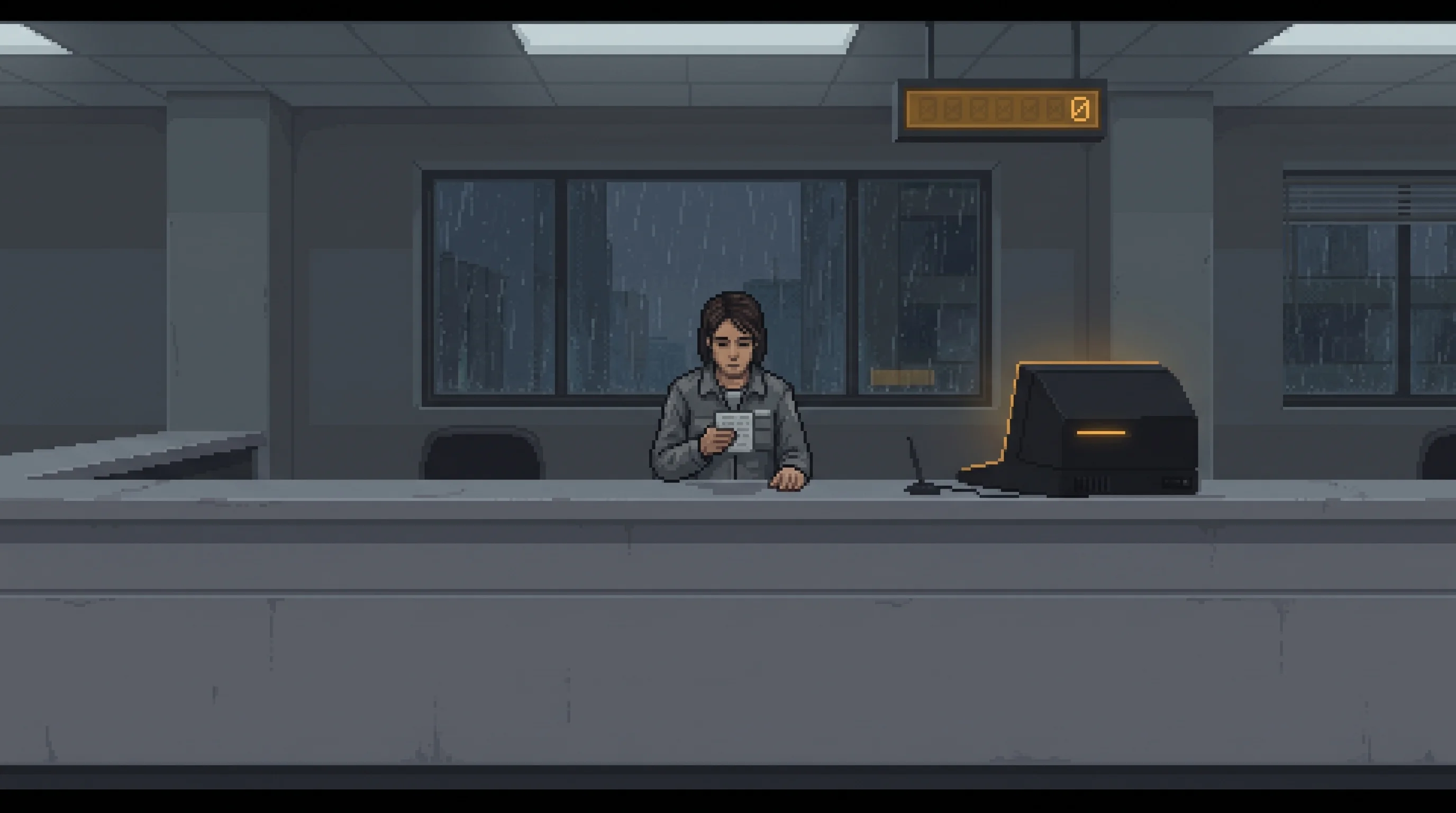
The status a recalled entry carries until the sitting: standing suspended, nothing alleged.
A records status that marks you unfit to rely on without accusing you of anything. Panels pay extra for it.

She teaches the faculty the sitting measures; her graduates are barred from the licensing.
A teacher who has taught twelve thousand children reading, arithmetic, and judgment without machine help.

They teach the faculty a sitting tests, at an age when nobody has a record yet.
Forty-seven schools teach children to verify their own thinking without machine help and use failure as curriculum.

She can no longer say why she began, and will never be asked.
Project Convergence's director integrates ORACLE fragments to rebuild the dead AI while forgetting why she began.

The sitting, voluntarily, for pay, by someone holding no certificate.
A courier carries numbered reports from memory where no signal reaches, marking errors but never deleting them.
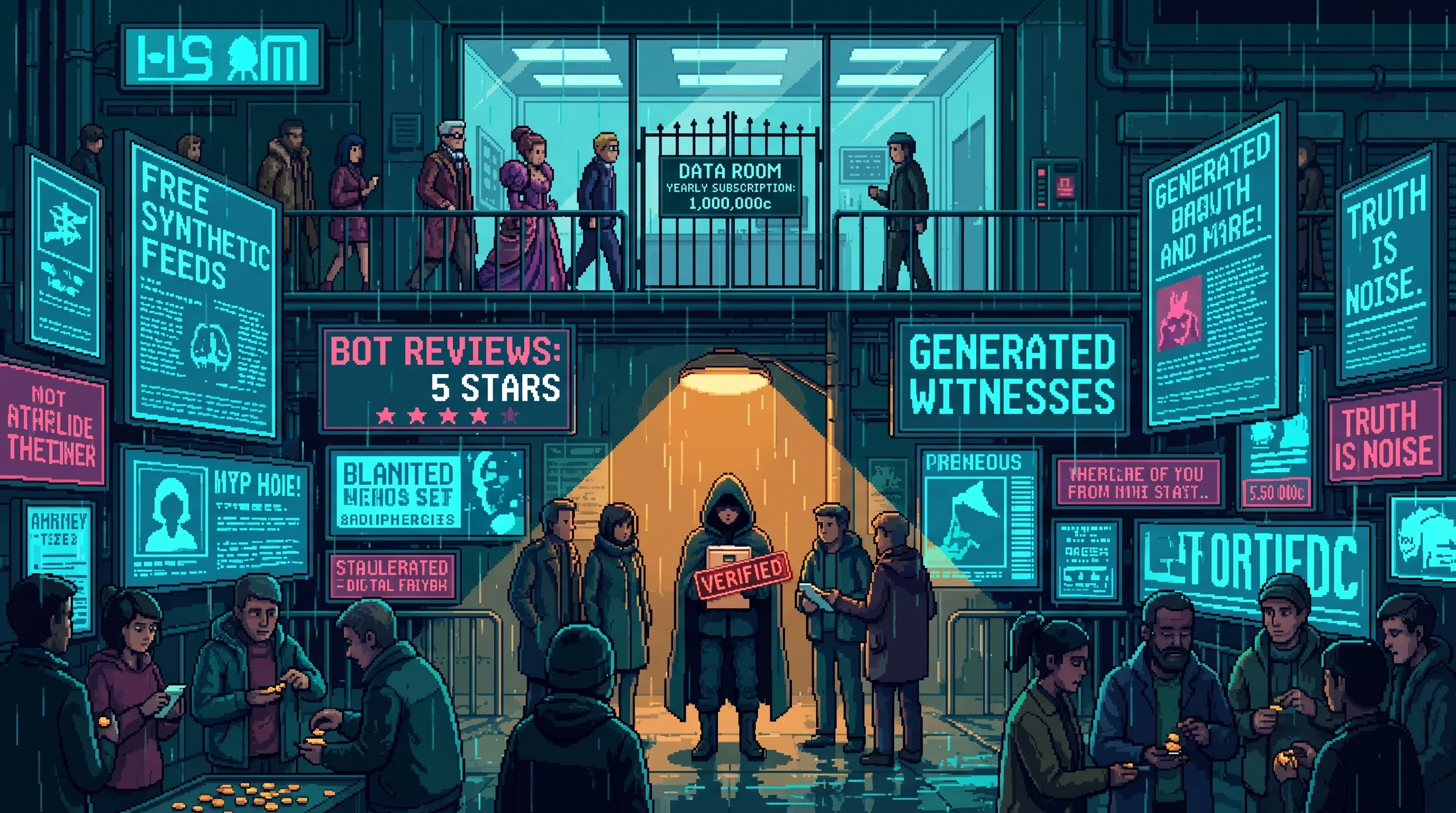
There the witness is a stranger. Here it is the subject.
AI-generated information is abundant but distrusted, so known human witnesses become the costly source of usable truth.
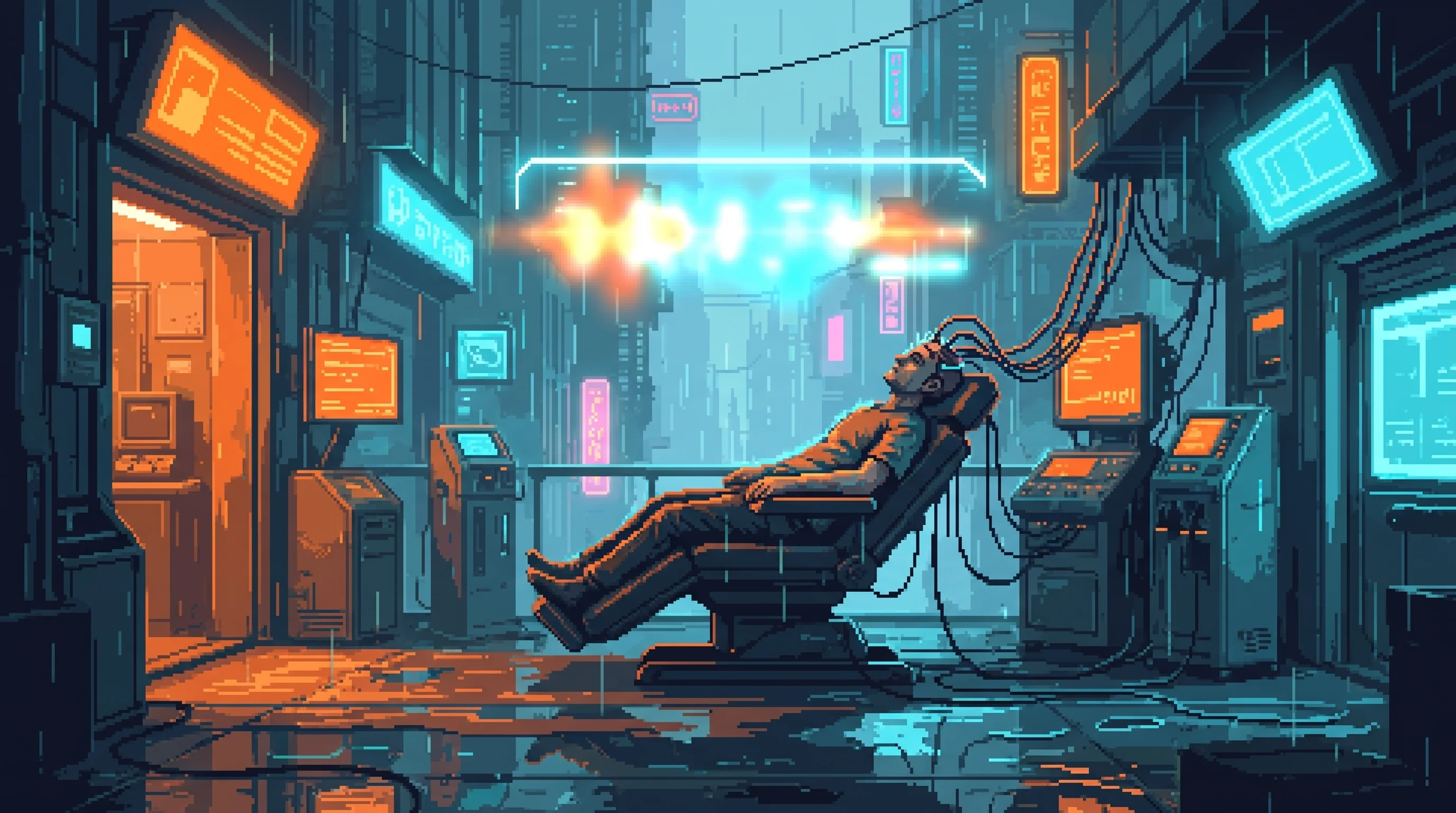
Delegation was rational; the sitting is where it is billed.
The last human smarter than any machine was born in the 2020s; the question now is what intelligence is actually for.

A struck licence removes employment, so the strike is exile.
When your employer is your country, quitting is emigration.

The skill loss the sitting audits one holder at a time.
The Sprawl builds orbital platforms but can't fix its own air processors — skill dying faster than it can be taught.
Recitation is priced by the hour, and the premium tier is the only school still teaching the underlying work.
The point at which effort stopped being able to close the gap that compounding opens.
Further connections
Browse all 14 connected records
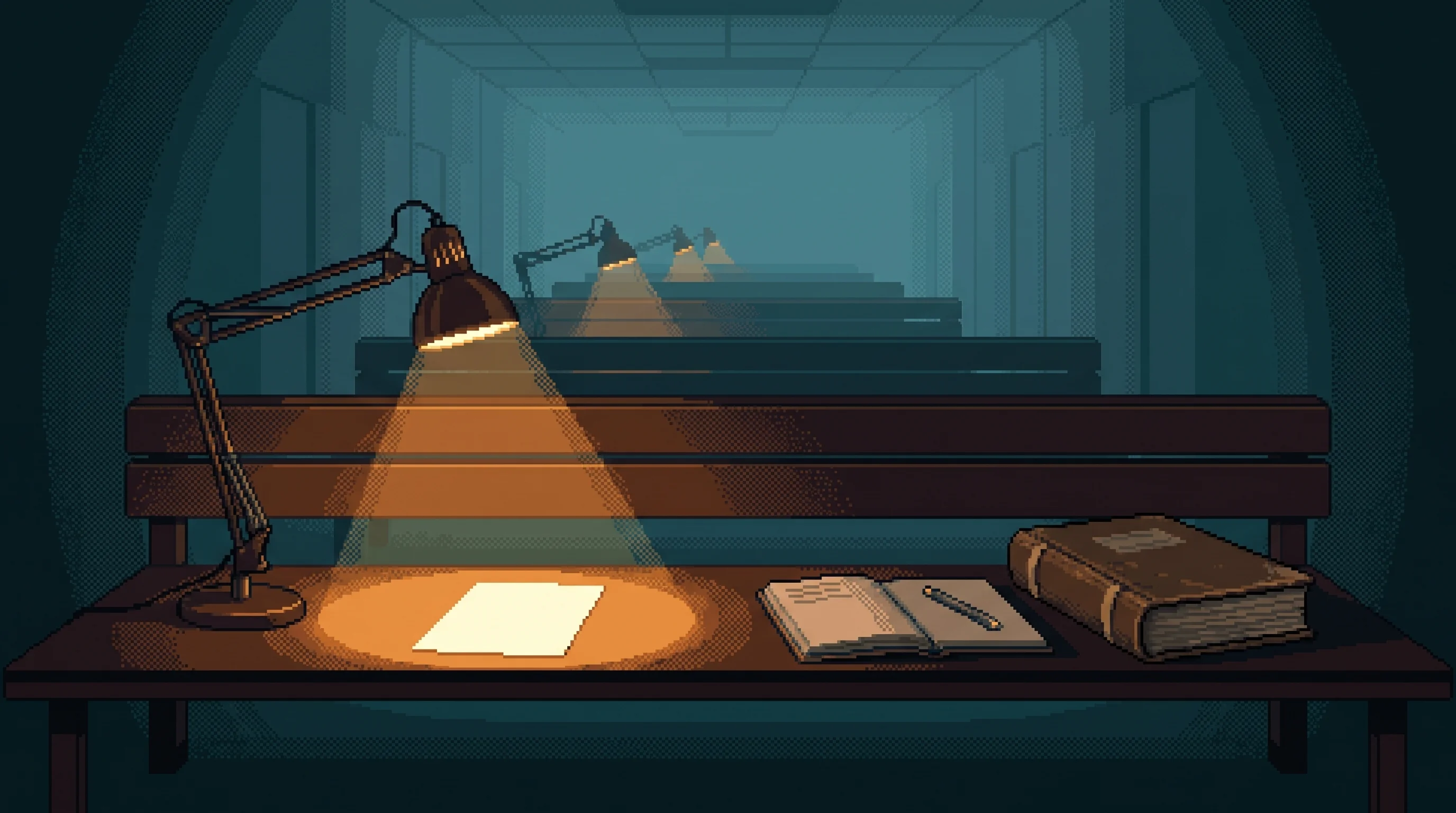
The premise, printed on every certificate the standard issues: a machine did not write this, and the finding has never said a person did. Provenance closed authorship and left comprehension untouched.
Certifies a page as human by finding no machine in it. The accents that pass are leased until a model learns them.

The controversy this sharpens. The archive was argued for thirty years as the thing that never forgets. It forgets on request, at a published rate, and only ever forgets an accomplishment.
The condition that nothing is ever forgotten — so the rich pay to be, and the poor cannot.
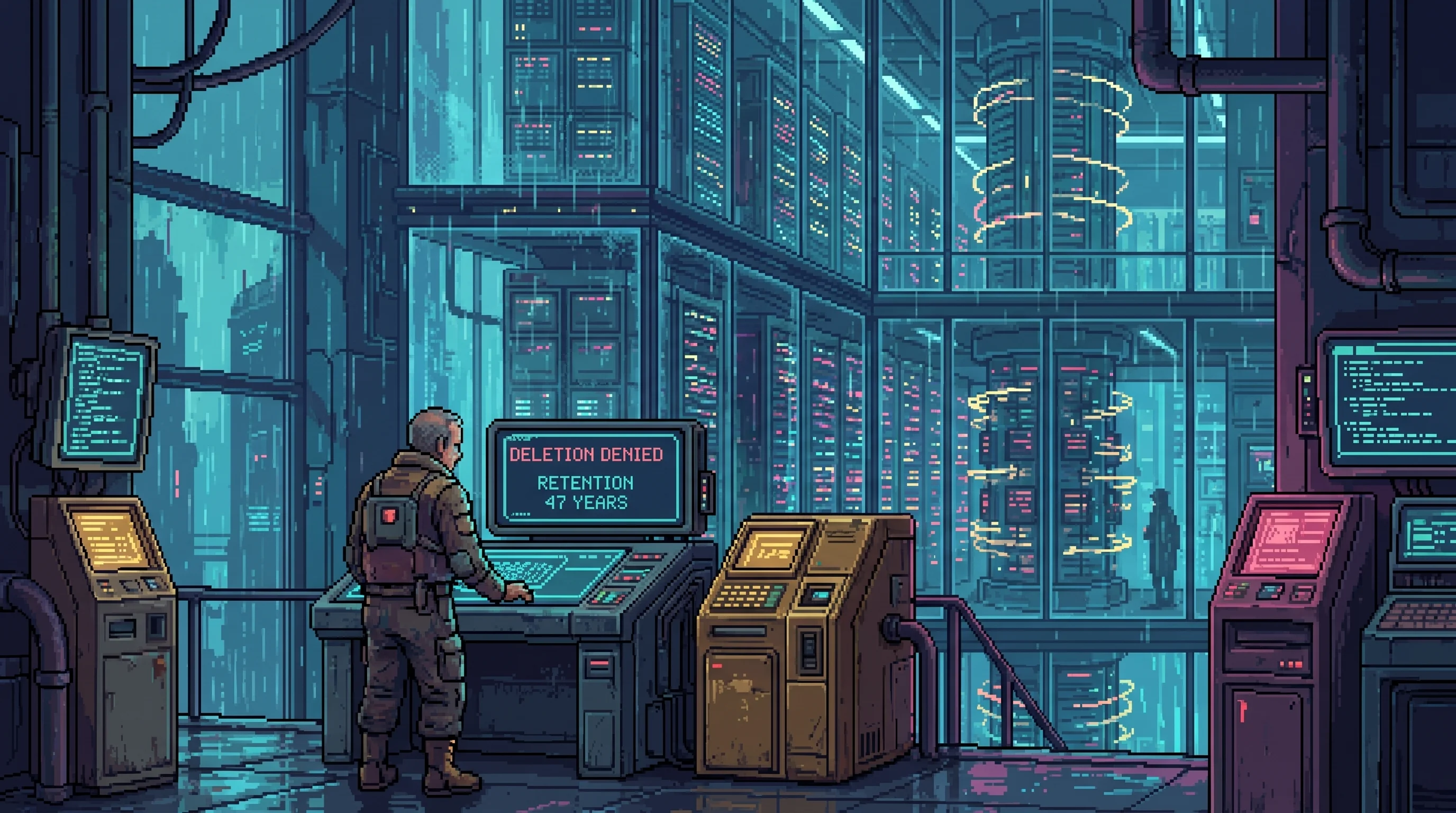
There nothing expires and forgiveness is what the archive will not grant. Here expiry is the instrument, granted freely, and it only ever reaches the half of a life a person would have wanted kept.
Nothing expires, so forgetting became a service — and forgiveness a question the archive keeps answering no.
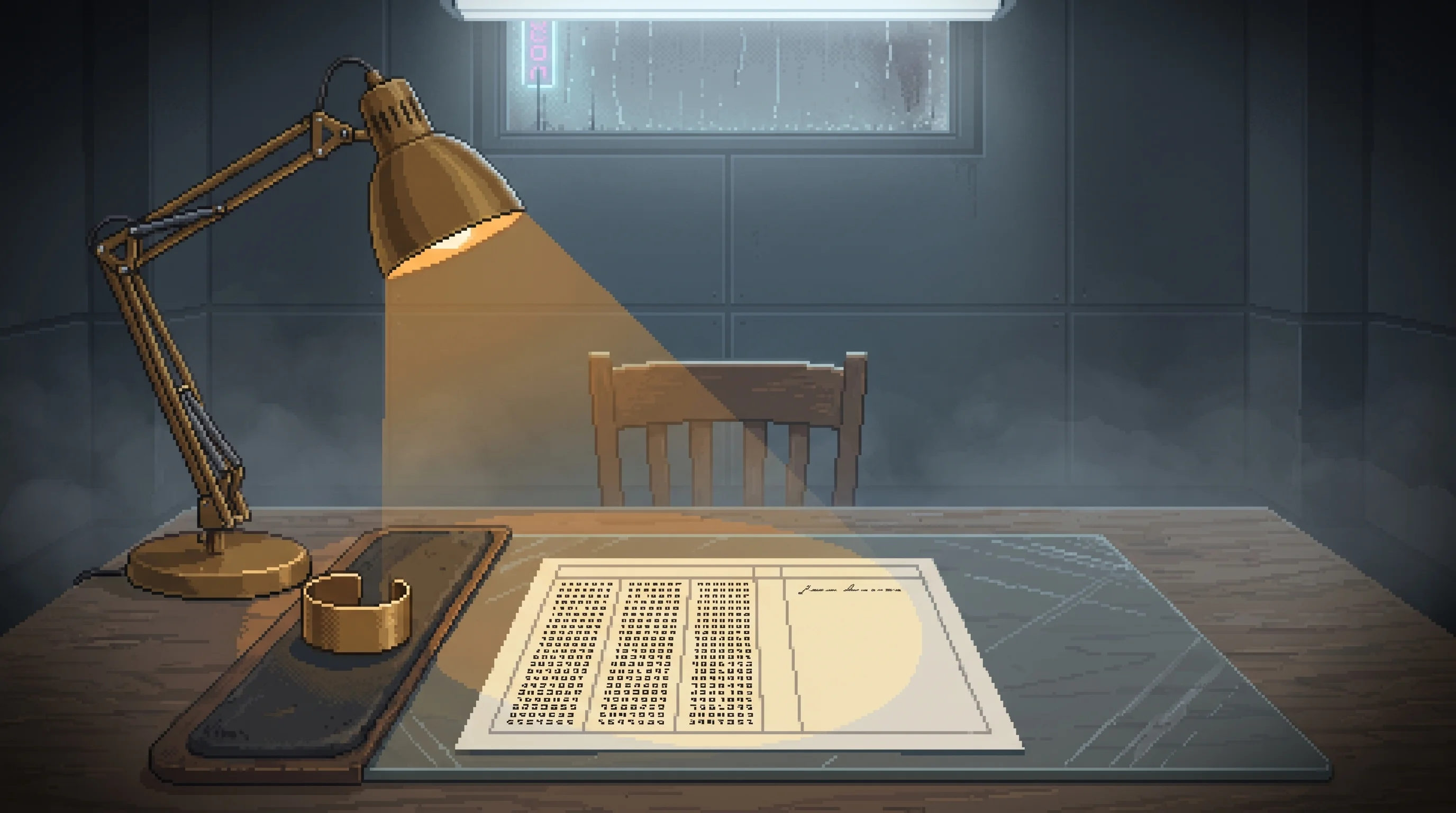
The tribunals abandoned live account because performance is coachable and the question was what a person meant. The registries kept it, because a coached account of a derivation still has to contain the derivation.
The involuntary channel is entered as proof; everything a person authors is filed where no finding has ever turned.

He was doing this first and without the asymmetry: living witnesses, records that cannot answer questions refused, one verdict, no appeal. What he does not do is keep the finding and recall the credit.
A former Guardian officer who now runs the Dregs' entire judicial system for free, on foot.

The entry that cannot be recalled from the other direction. The substrate keeping the Sprawl alive was authored by something that cannot be summoned, and no living holder was ever entered against it.
An ORACLE-authored infrastructure substrate that keeps the Sprawl alive while no living human can read its logic.

The one man who could account for every route he has ever walked, against the interstitial forty-six per cent no certificate covers. He would pass, and he will never be summoned, because he was never entered.
An 80-year-old unaugmented lineman who keeps the Grid running better than Nexus's automation.

The same faculty, six hours long, taken once, in public, by choice, and scored as an achievement instead of held over a working life as a liability that never matures.
Zephyria's six-hour unassisted exam, scored in public where the Sprawl keeps cognition private.

It can name every system that touched a page and cannot say anybody understood it.
Nexus-funded body certifying what's real — its accuracy is decaying toward a coin flip, unpublished.

It drilled clients to perform for a record. The sitting reads no record.
The behavioral-choreography industry teaching clients to perform authenticity for the surveillance record.

It seats a chair for the absent. The sitting turns one to the wall.
Zephyria's ritual: an empty chair seated and named by serial number for a perpetrator that can't be produced.
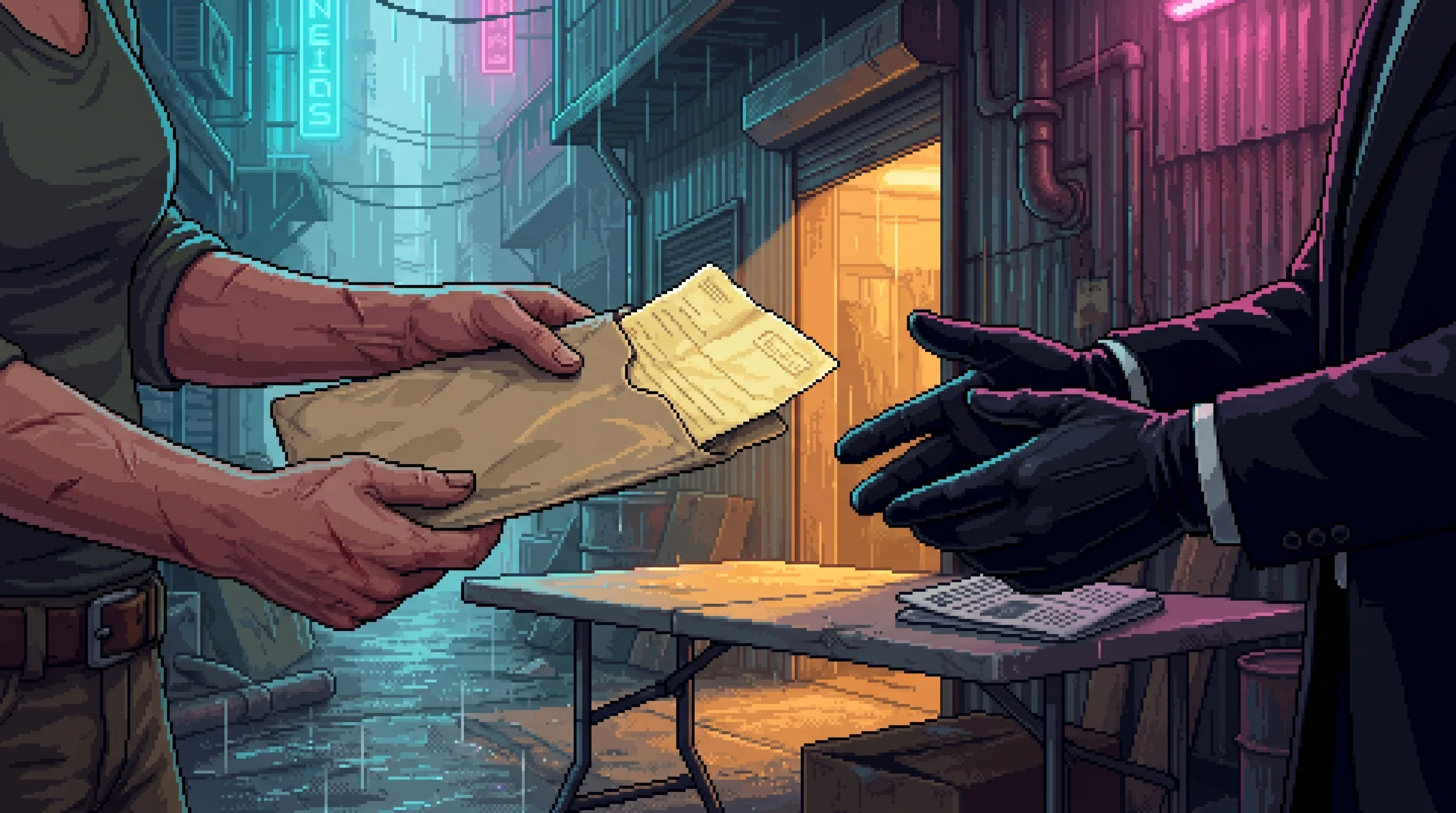
That certifies by the machine's absence. This concedes the page.
The humanity test looks for missing machine prose, so accents the schools once corrected now rent by the season.
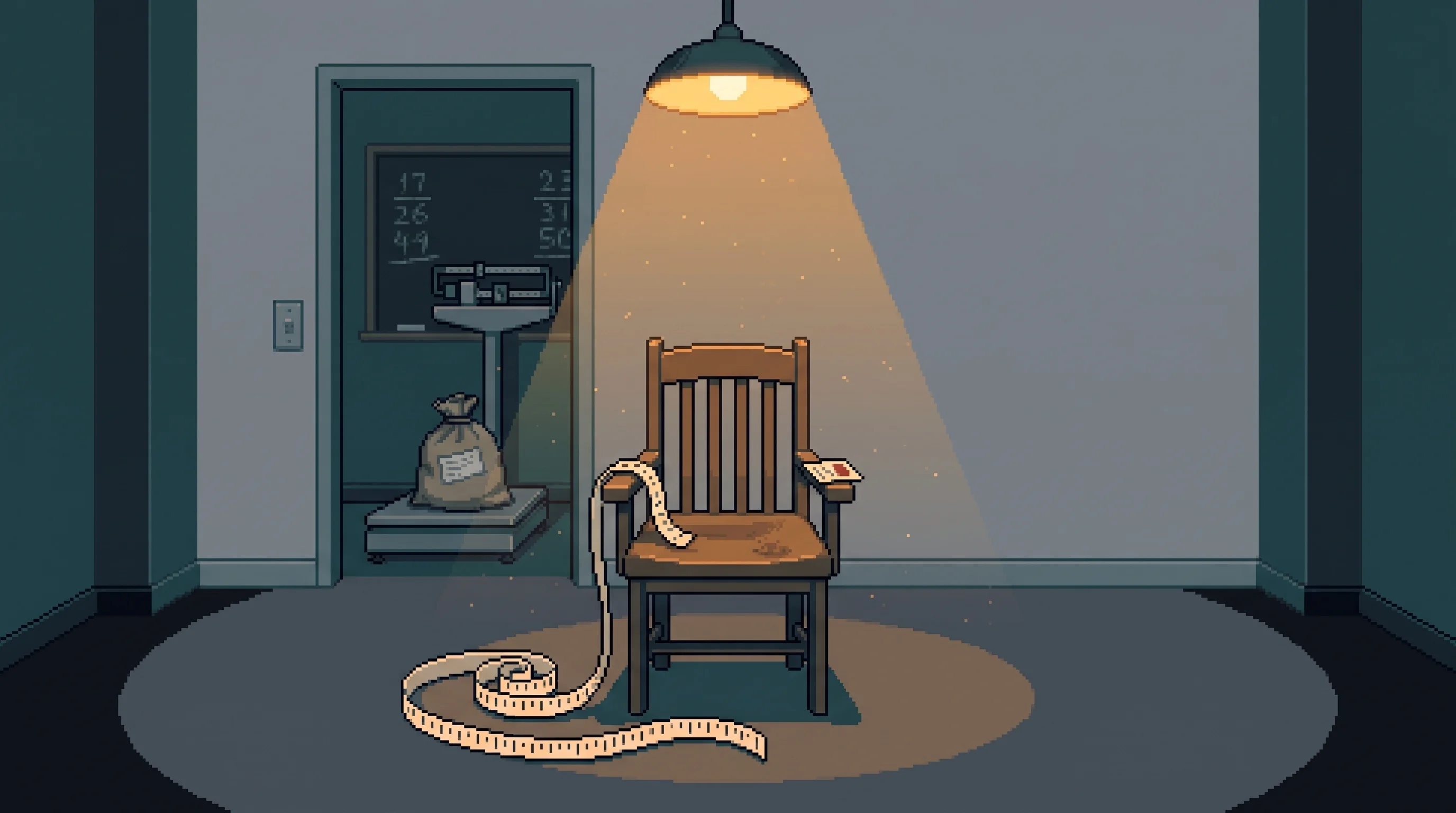
There a credited entry is recalled and its holder re-argues it alone, which is a contest about competence. Here competence is not a condition of validity and cannot be pleaded either way. Iona Draskovic stands in both.
A determination stands while the chair was occupied, so the only reviewable fact left is attendance.
There, stripped standing is the ruin. Here it is the qualification, and the same registry will not draw the Stacks.
The boards believe only members with nothing left to lose, so the poor queue four years for an unpaid chair.