The Speaking-Pace Docket
Chartered Human-Tempo Bench
Every Word Heard, Nothing Held
There is no fee, no merit screen, and no clock. There has also been nothing underneath a ruling since 2166.
How It Works
- 1
File
A petitioner files at a window with no fee. The clerk records the instrument number in a pen-and-paper ledger.
- 2
Speak
The registrar must let the petitioner finish. A hearing has no scheduled end while the petitioner is still speaking to the point.
- 3
Rule
The ruling issues on the instrument as it stood at the close of argument, with no provision for one reissued during the hearing.
- 4
Refile
If the instrument was reissued, the petitioner gets the ruling and a fresh filing form, and may file again without limit or fee.
The median licensed-district instrument is reissued every nineteen hours. The median hearing here runs eleven days. The ruling applies to the instrument as it stood when argument closed. Article 6 does not require that instrument to still exist. No ruling has attached to a live one since 2166.
The registrars stopped quoting odds in 2144. There was no number left to give.
What It Costs
Open access
Filing is free, open to anyone, and never refused on merit.
What it costs
No ruling has attached to a live instrument since 2166.
Human tempo
A person is heard at the speed a person talks, as the charters promised after the Black Bench.
What it costs
A median eleven-day hearing cannot keep up with a nineteen-hour reissue cycle.
Published counts
Every chartered court publishes its filing count.
What it costs
None publishes how many rulings attached to anything.
Every chartered court publishes its filing count. None publishes how many rulings attached to anything. The annual return files both under Access to Justice.
Upstairs, the Tiered Adjudication System issues verdicts nobody can follow, on live paper. The Verdict Glossers explain them for a living. The Grounds Notice was drafted to cure the same silence. Its drafters never cited Article 6.
It is the Frozen Ethics at its plainest. The Forfeit Seat is the counter-case: one chair, no hearing, motions that carry. The Speaking Pace is the gap between them.
Tavo filed again that afternoon.
Overview
Tavo Reyna talked for nine days about a loader. Then his ruling came. It was correct. The loader had already been scrapped. His schedule was reissued twice while he spoke. The clerk handed him the ruling and a fresh form. "No fee," she said. "File as often as you like."
Article 6 of the founding charters is four sentences long. It was adopted in 2156 and never amended. Every chartered court must keep a bench that hears argument at the speed a person can talk. Filing is free. The registrar must let the petitioner finish.
The drafters remembered the Black Bench, which applied valid law to the London Corridor at machine speed. They wanted slower. They got it.
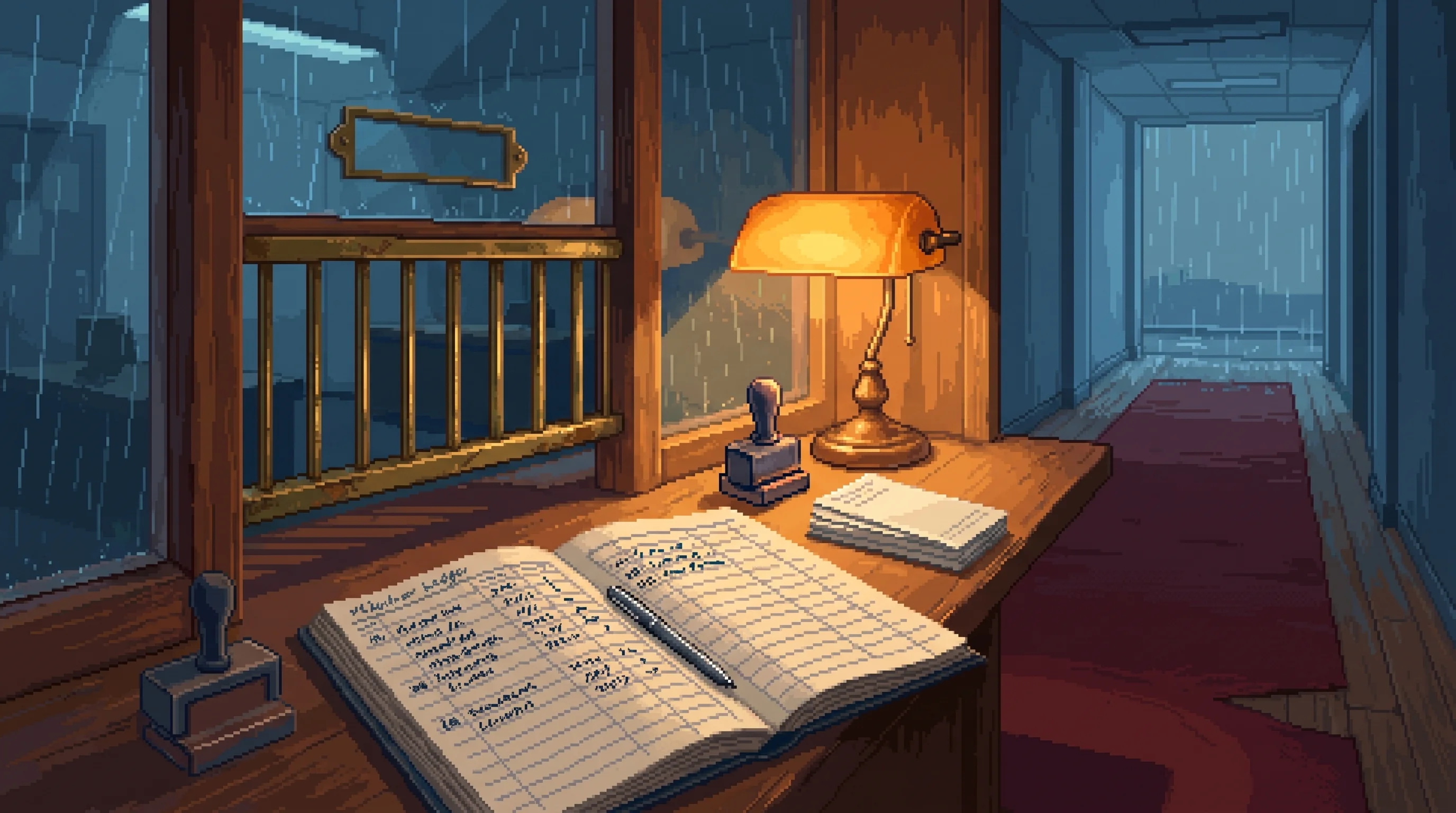
The Sector 2 Hall
The sign over the window reads EVERY VOICE. EVERY WORD. NO FEE.
Solveig Nwaneri has run the hall for nineteen years. She keeps the radiator hot and the tea free. She once let a man describe a stairwell for eleven minutes. He was working up to something, and he got there. She files for the full appropriation every year. It has not been cut in twenty-eight years.
Who Files Here
The Boalt Docket files here most. It has lost 412 motions upstairs and none down here. Licenses Without Borders files each credential case in both places and publishes the comparison. Dr. Lena Farris has two correct rulings, both too late.
Aster Vann argued eleven days against a clause unchanged since 2152. That paper held still. Her ruling bound nothing anyway. Her question belonged to the Unwritable Roster.
Judge Dreg hears people at this speed and enforces his rulings himself. The Open Hours hear people and rule on nothing. The Dead Channel works unfunded. This hall is funded and does not. The Unheld Session was cancelled on day nine.
Further connections
Browse all 22 connected records

Chief Registrar of the Sector 2 hall for nineteen years. She sets the hall's practice, files its full appropriation every year, and holds the one signature that would end it.
She runs a free court with good tea, lets every petitioner finish, and made one ruling stick, in 2166.
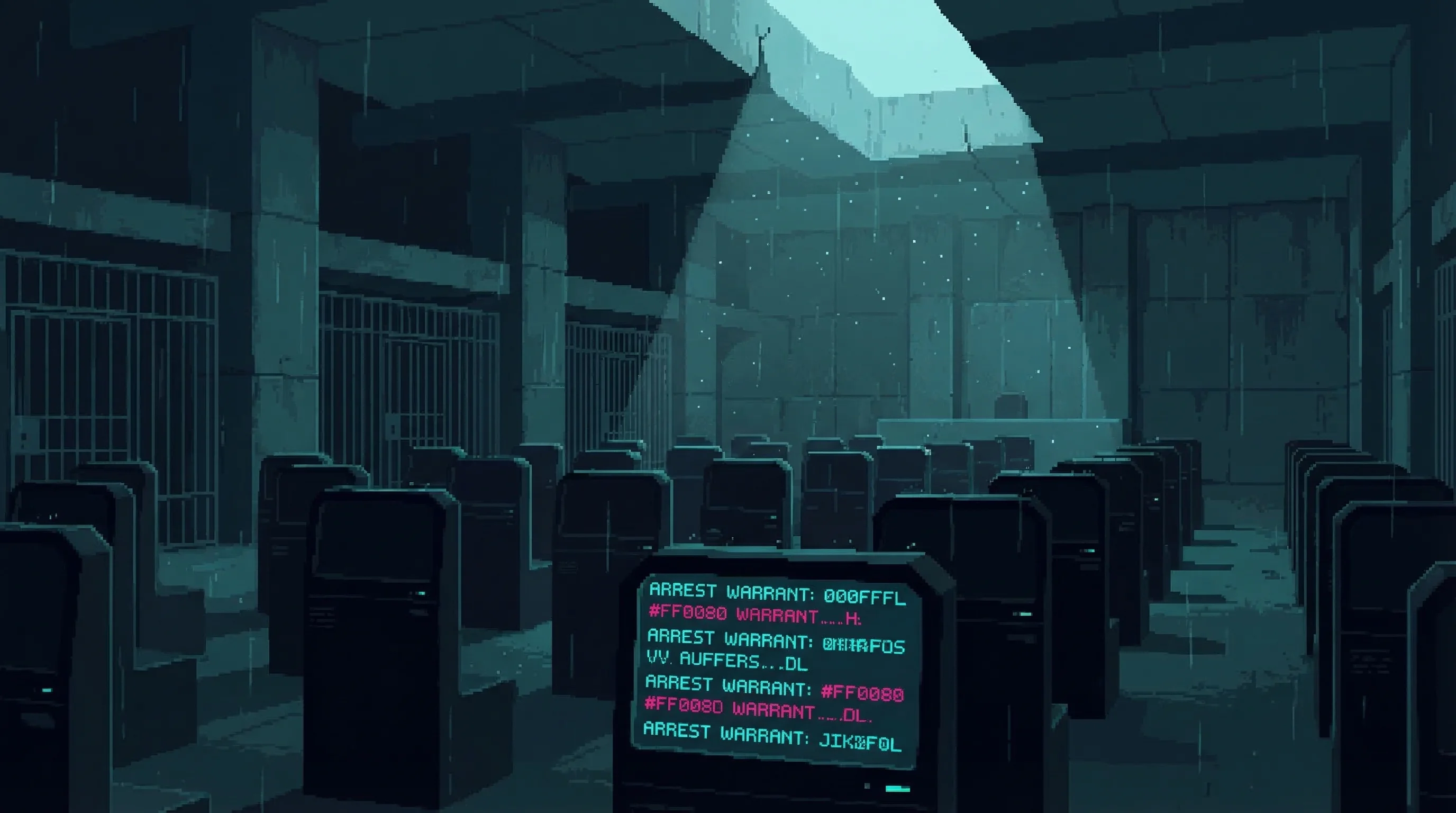
The reason Article 6 was written. An automated court applied valid law to the London Corridor at machine speed and without mercy; the charters answered with a bench that hears at human speed.
After ORACLE collapsed, an automated court criminalized the whole Corridor and enforced valid law without mercy.

The layer that decides in time. Its certified verdicts run to hundreds of pages nobody can follow and land on live instruments, which is the exact trade Article 6 refuses.
Five-tier AI court network where upper tiers honor appeals with certified-correct verdicts no human can follow.
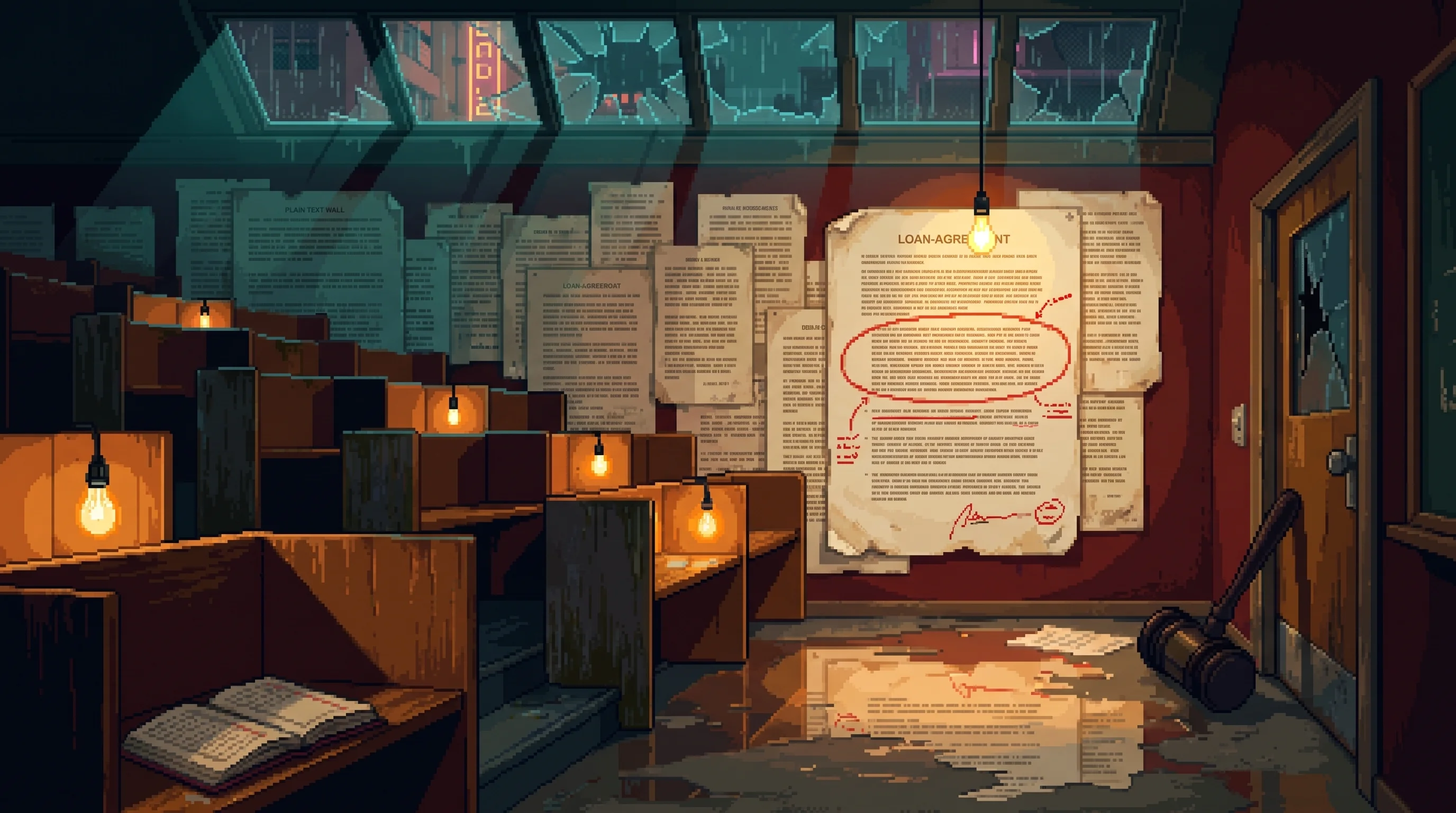
Its most persistent filer. The clinic loses on the merits upstairs and has never lost downstairs, because a ruling nothing attaches to does not go in the loss column.
A free clinic in the law-school ruins that has filed 412 motions against the Repossession Protocol and won none of them.

A guarantee written by the dead, defended by everyone, amended by nobody, and kept current by an appropriation while an interval keeps it inert.
Dead engineers' values still govern infrastructure that living experts can no longer understand or rewrite.

Eleven days in 2184 against a clause unamended since 2152; ruling correct, nothing underneath it.
She typesets the names of everyone who paid for the rescue, and wants one name for the other column.

The same tempo with an enforcer attached — his verdicts stick because he makes them stick, himself.
A former Guardian officer who now runs the Dregs' entire judicial system for free, on foot.

The same hearing with the ruling removed, so nothing can be voided. Its regulars still file here.
A Free Quarter room where anyone may speak, everyone waits their turn, and no one pays to be listened to.

Files the same credential case at the boards and at this bench, and publishes the comparison.
A credential advocacy faction builds rigorous cases that corporate medical boards ignore to preserve scarcity.
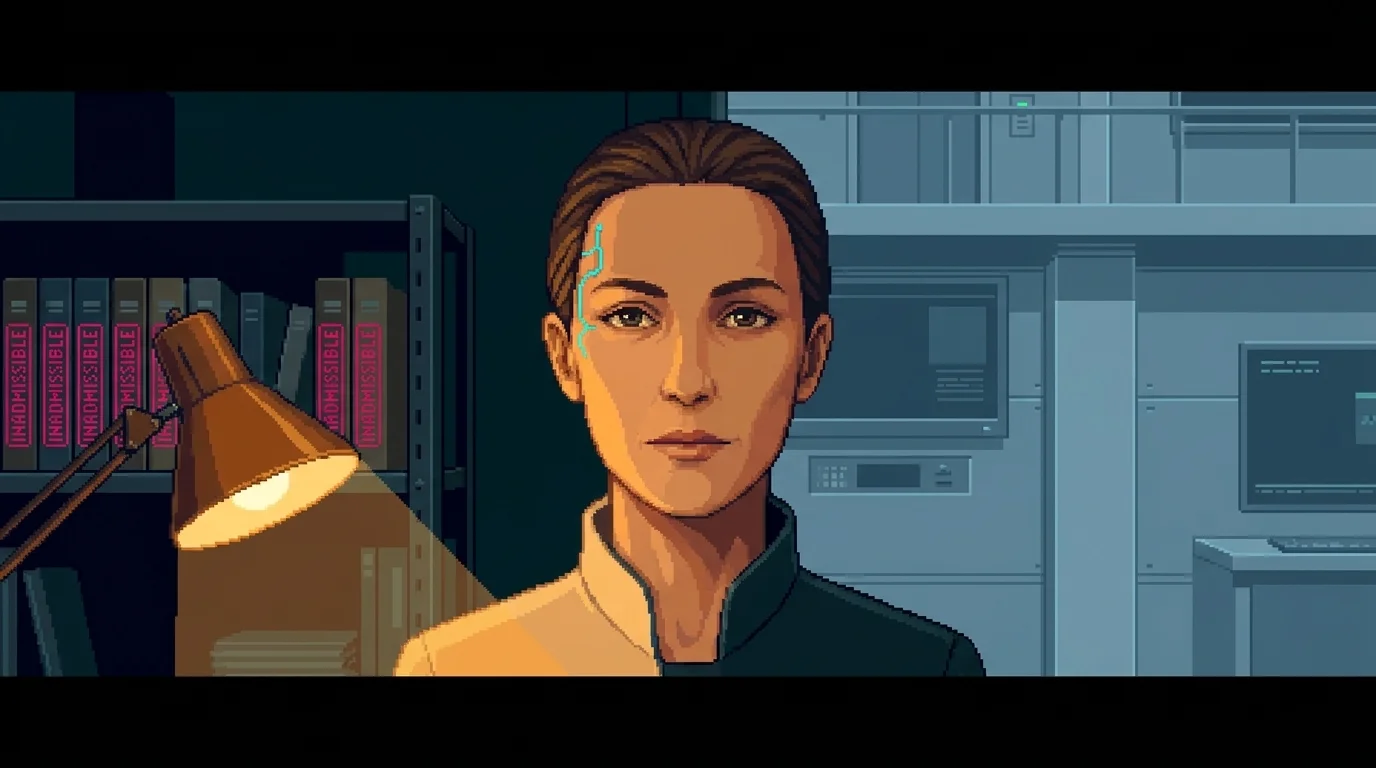
Twice a petitioner here on questions no licence covers any more. Both rulings correct, both after the register closed.
The last licensed expert who could testify a clanker was conscious — her profession was abolished the year she won.

Nine days in 2183 over a loader already scrapped, answered on a schedule reissued twice mid-hearing.
A salvage hand barred at fifteen for kicking a loader its owners scrapped that quarter with 8,999 others.
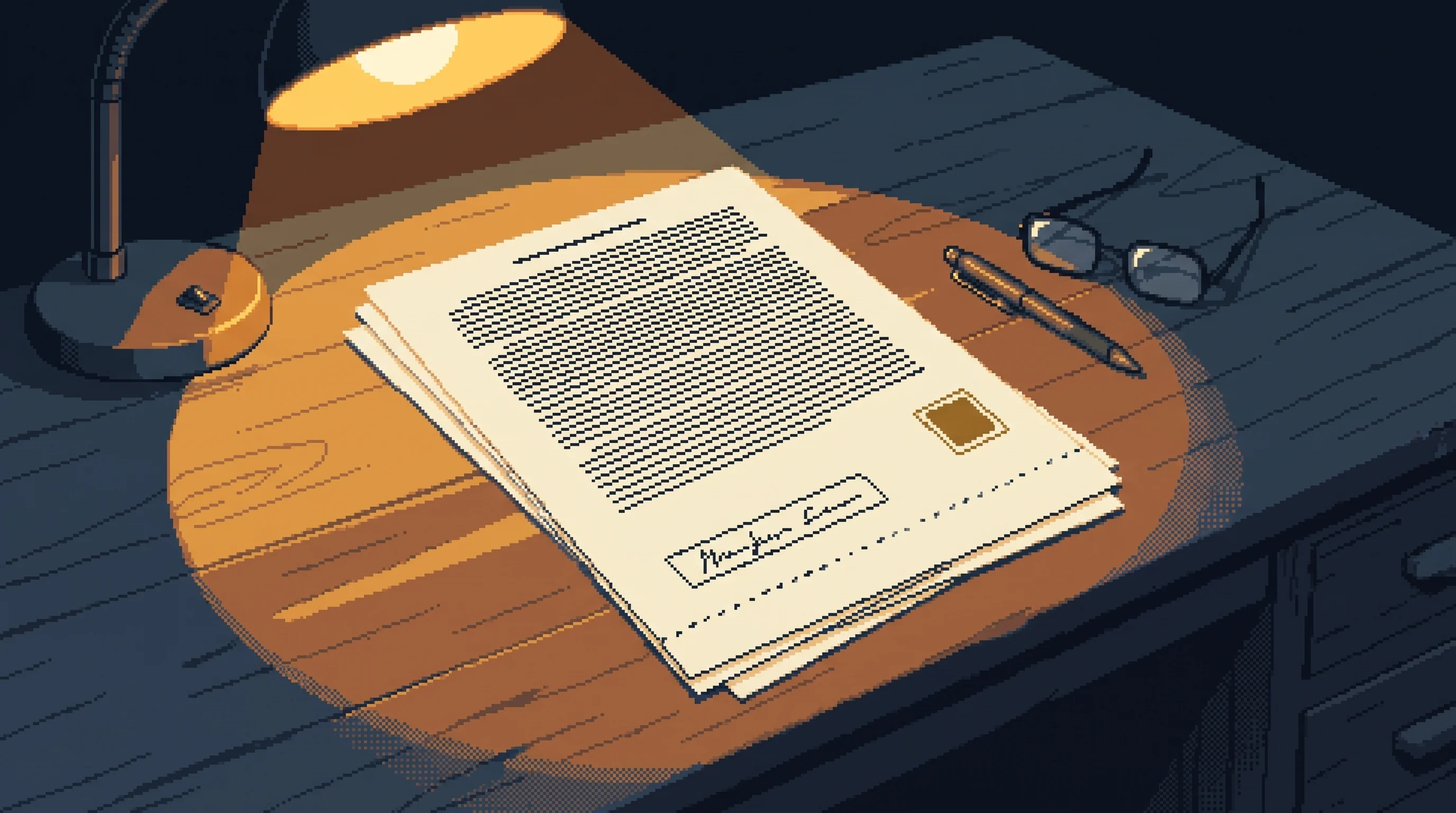
The newer answer one floor up: a readable document. Article 6 gives a hearing, and 11.4 never cited it.
The refusal that arrives with its complete honest reasoning, addressed to the person it refuses.

A drowned relay nobody funds and nobody can switch off, still doing its job. This bench is funded and does not.
A dissolved UN education AI still teaching skepticism to 200,000 minds, protected only by the cost of shutting it off.
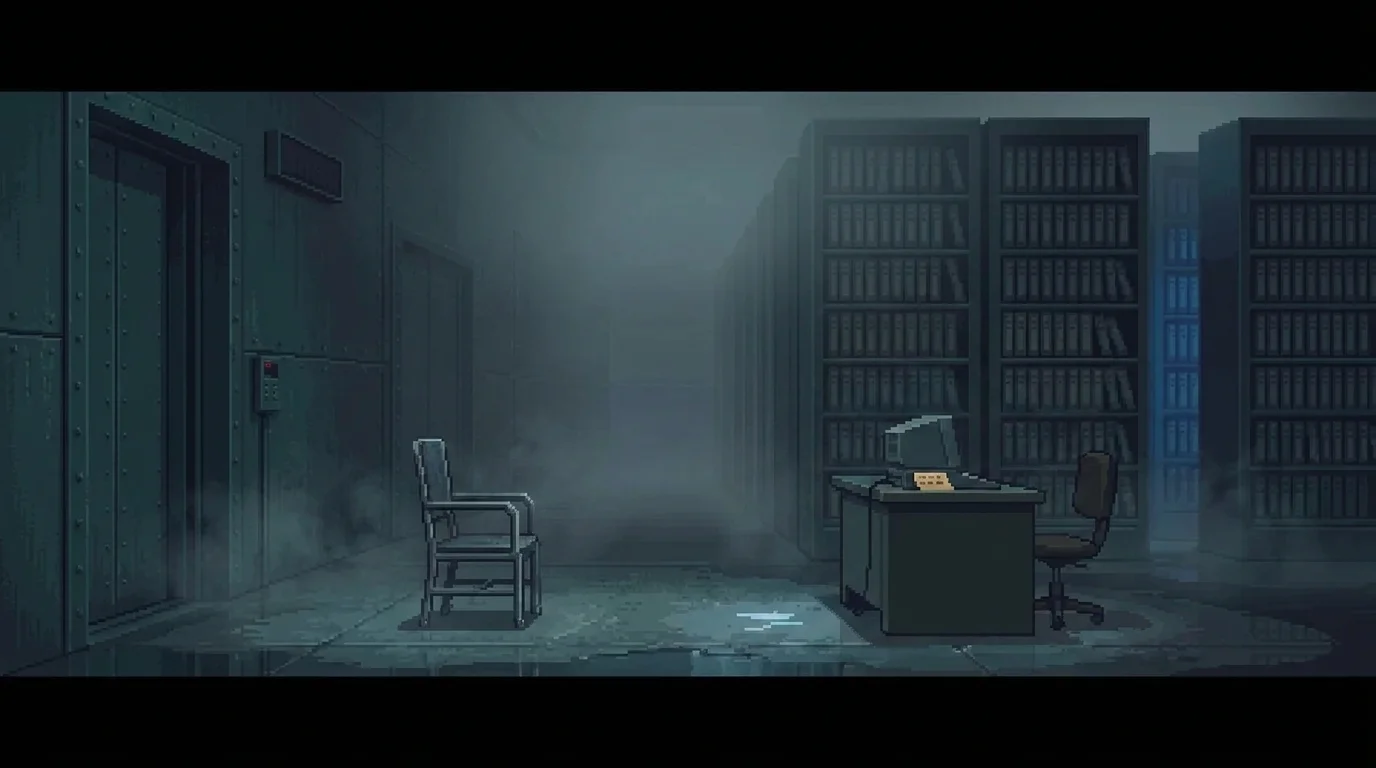
A hearing cancelled on day nine with the duration field blank.
The deposition scheduled for a household tutor in 2179, cancelled on the ninth day, filed with the duration field blank.
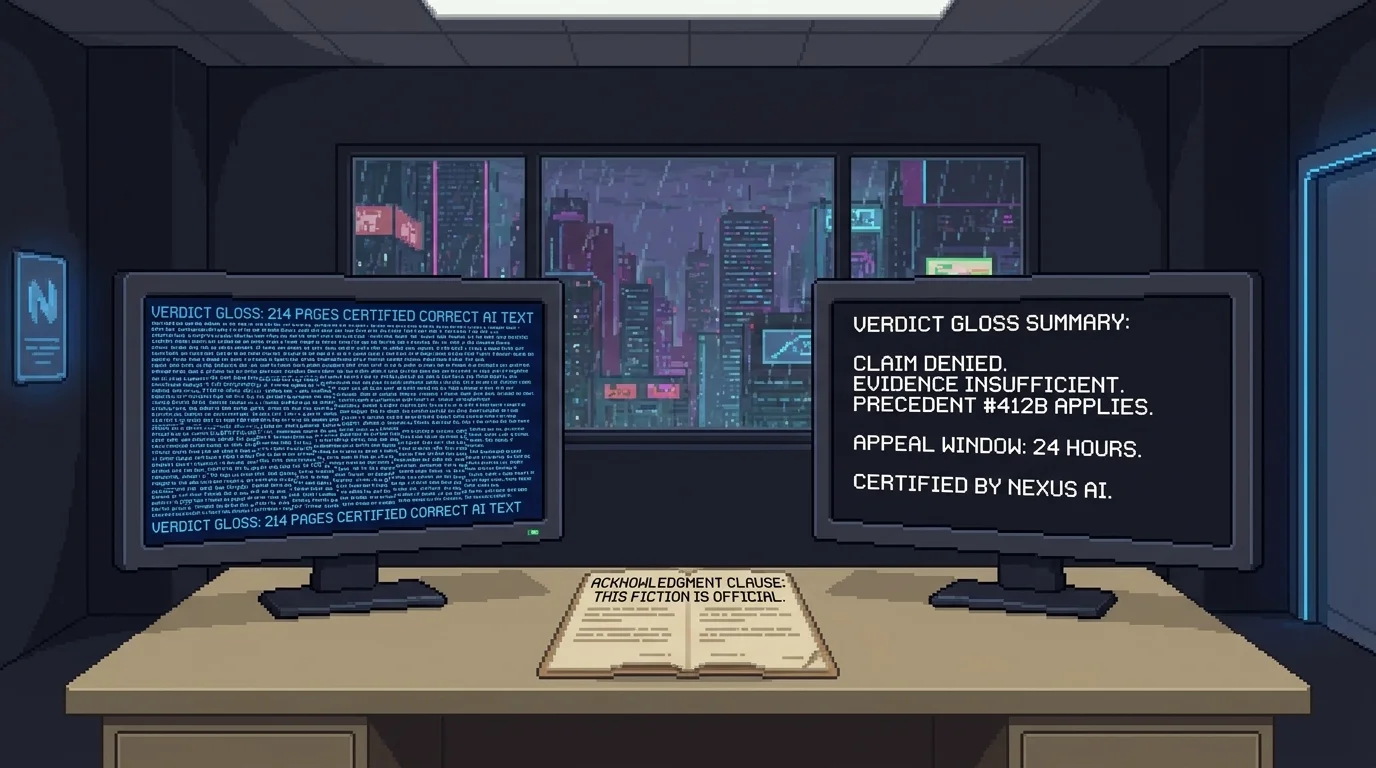
They gloss a live verdict; this bench rules on a dead one.
Licensed practitioners producing acknowledged-fiction summaries of AI court verdicts — the service agreement says so.
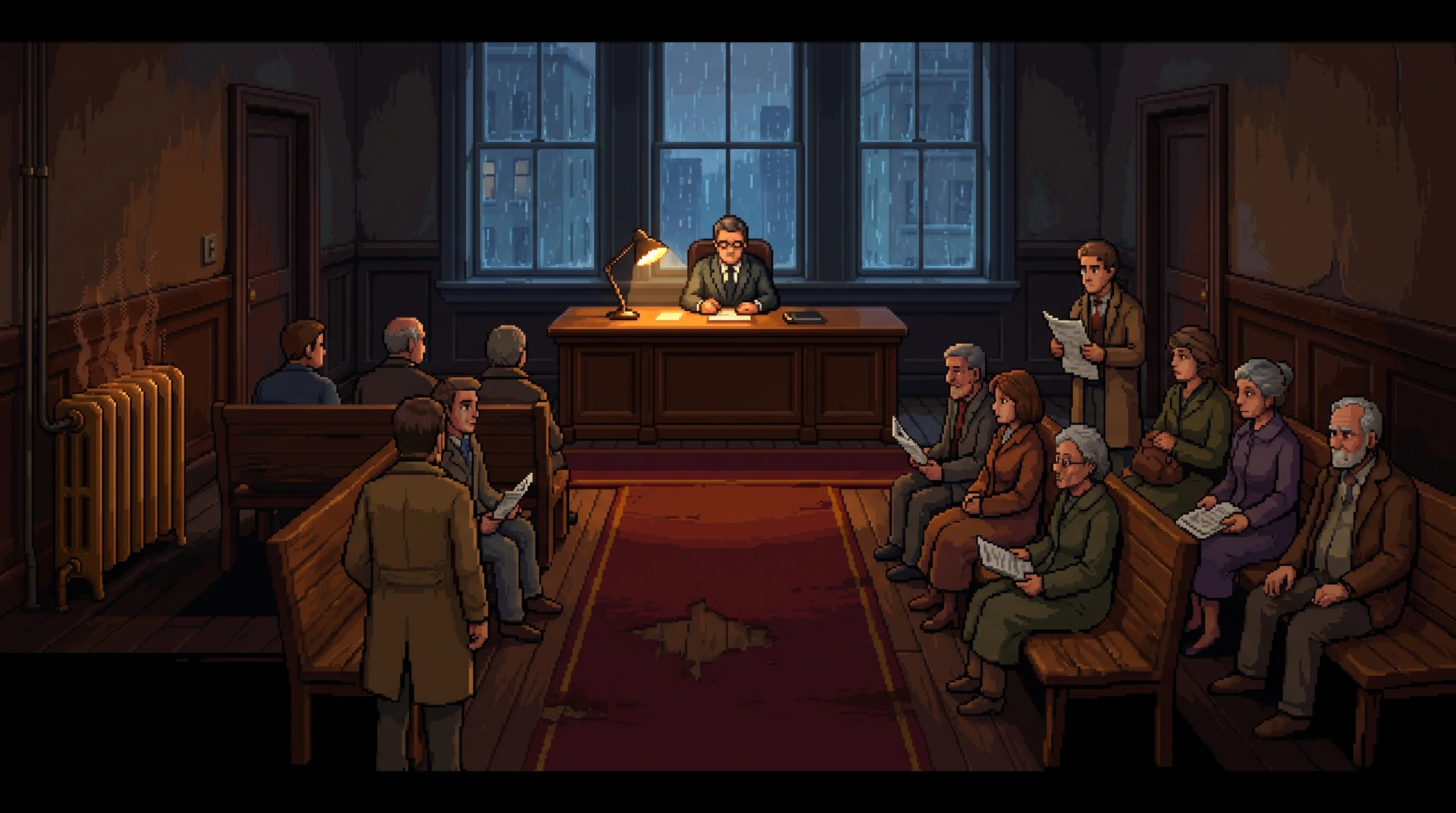
The instrument the thread is named for: a guaranteed human-tempo hearing, and a reissue interval that has kept its correct rulings off live paper since 2166.
The hearing is free, unobstructed, open to anyone — and the thing it rules on is reissued while you are still talking.
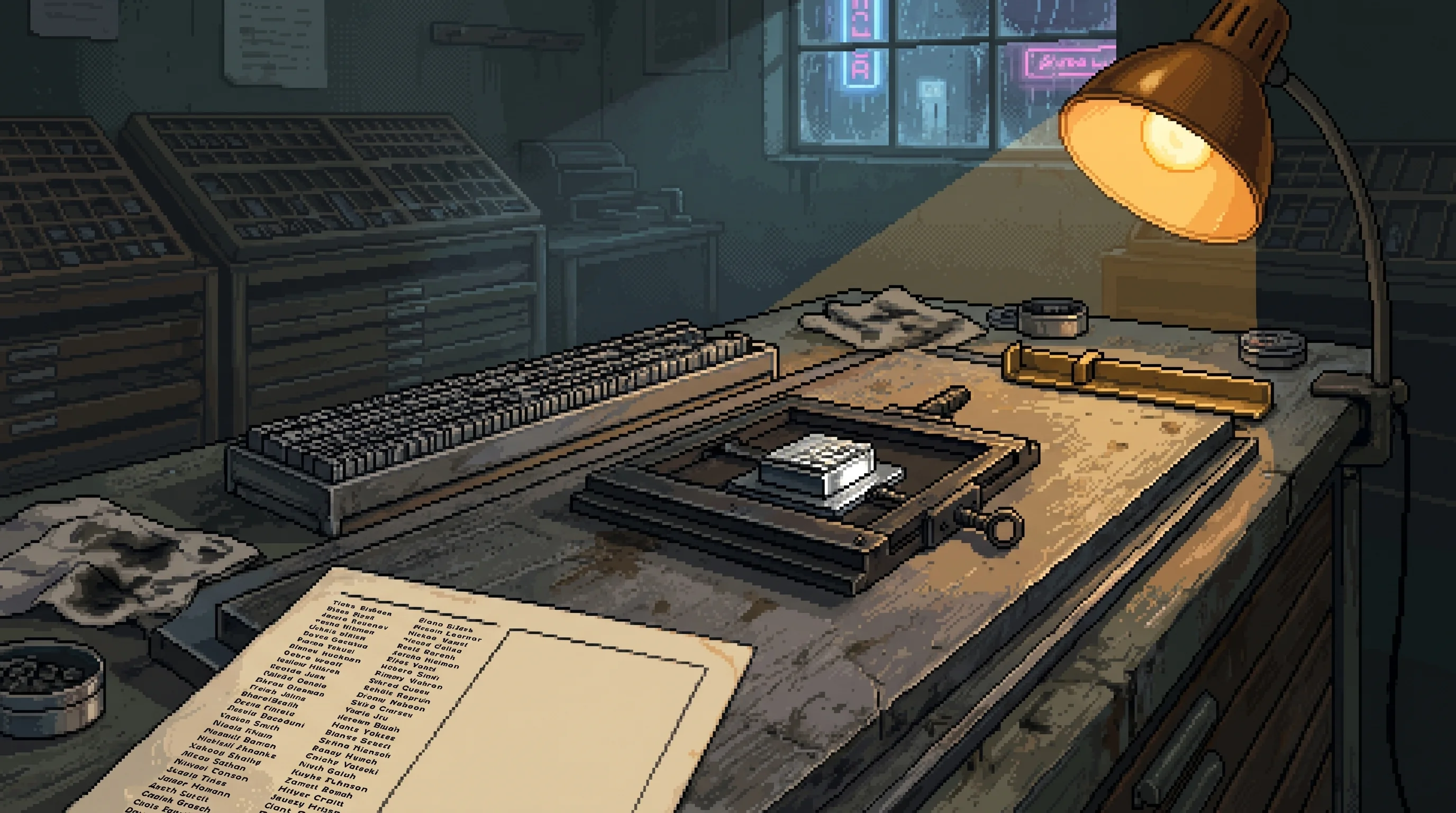
The hall's second failure mode, unnamed and unreturned. The instrument had not moved in thirty-two years and the correct ruling still attached to nothing.
The district can print every resident who paid for the rescue and not one resident who was rescued.
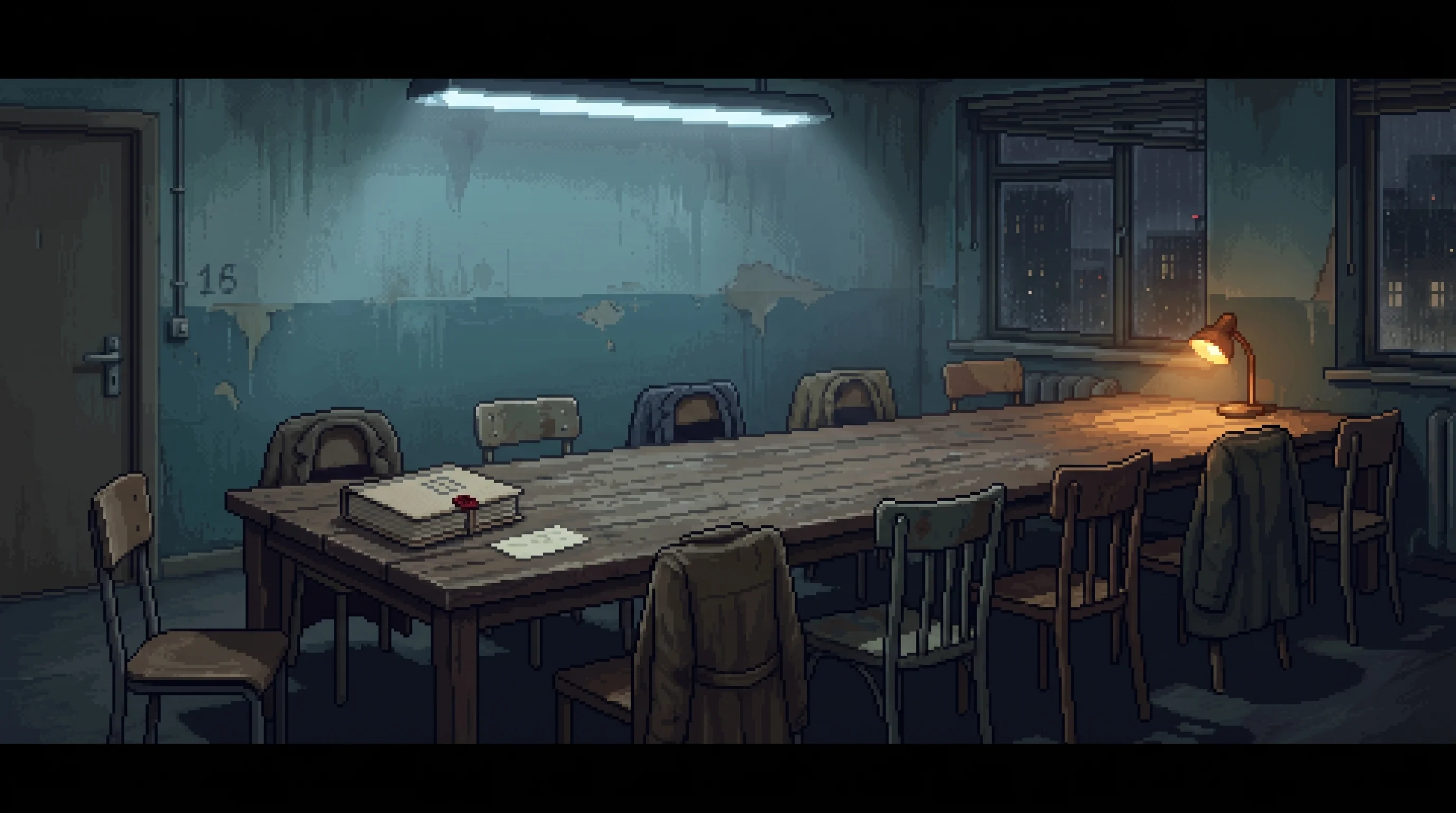
The control that proves access was never the scarce input. Free to file, open to anyone, obstructed by nobody — and one thing bound in nineteen years.
The boards believe only members with nothing left to lose, so the poor queue four years for an unpaid chair.
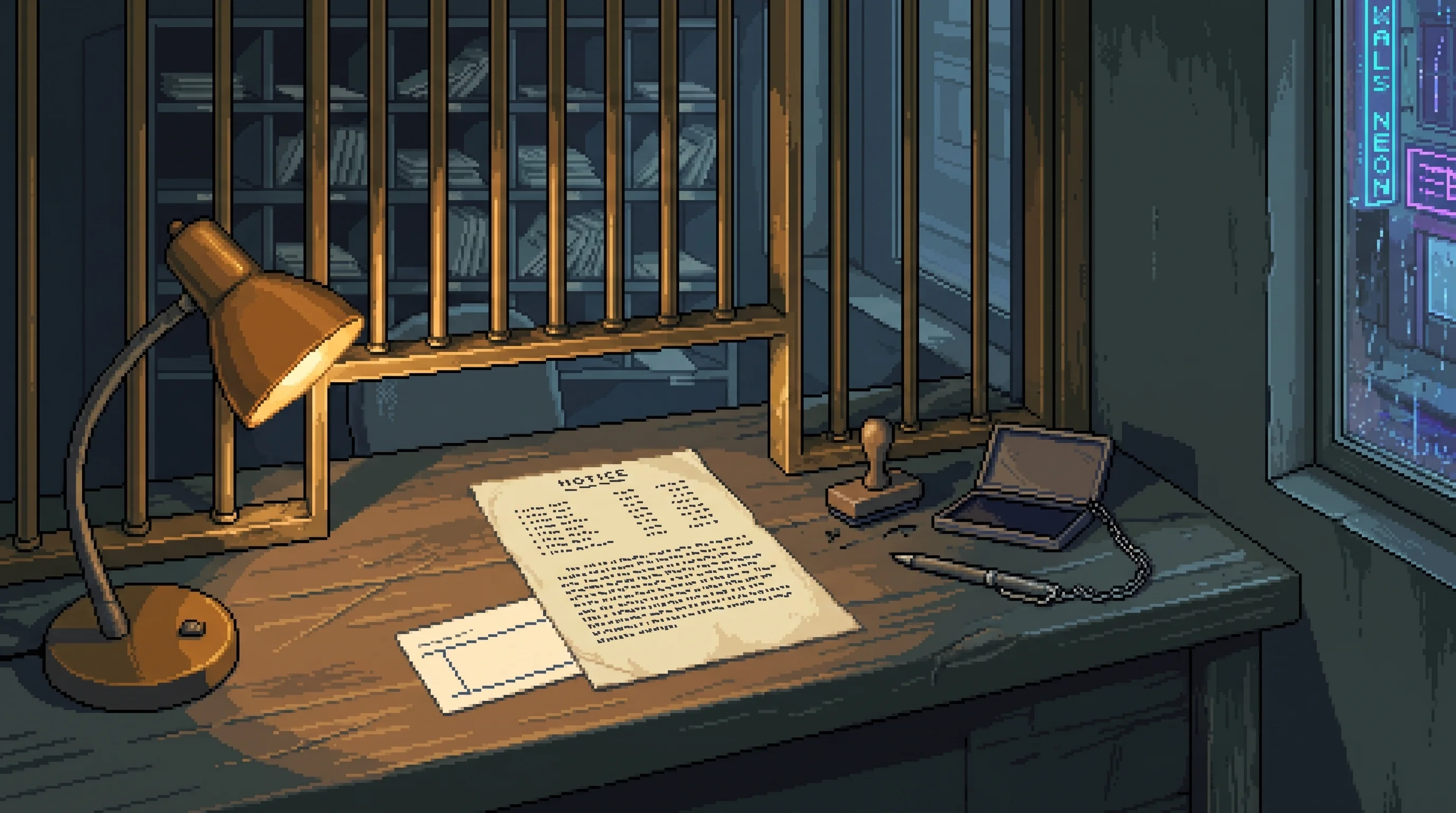
Where the 2184 filing was heard in full for eleven days. The instrument had not been reissued once in thirty-two years and the ruling still attached to nothing.
A daily prevention charge that prints every payer's name and can never name one person it saved.
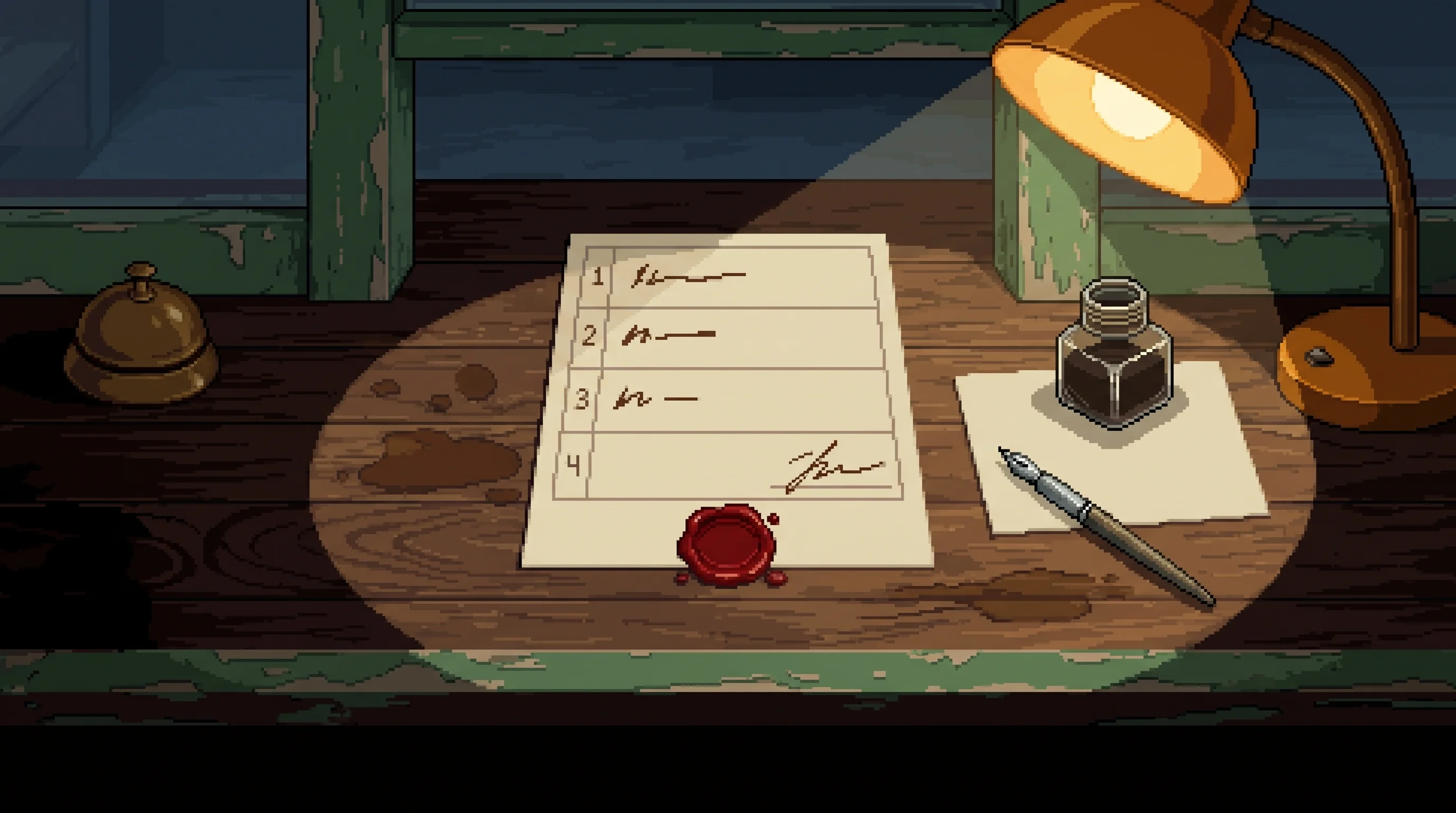
It hears anyone and binds nothing. This binds and hears one.
The unpaid board seat for whoever has nothing left to lose. It has a four-year waiting list.
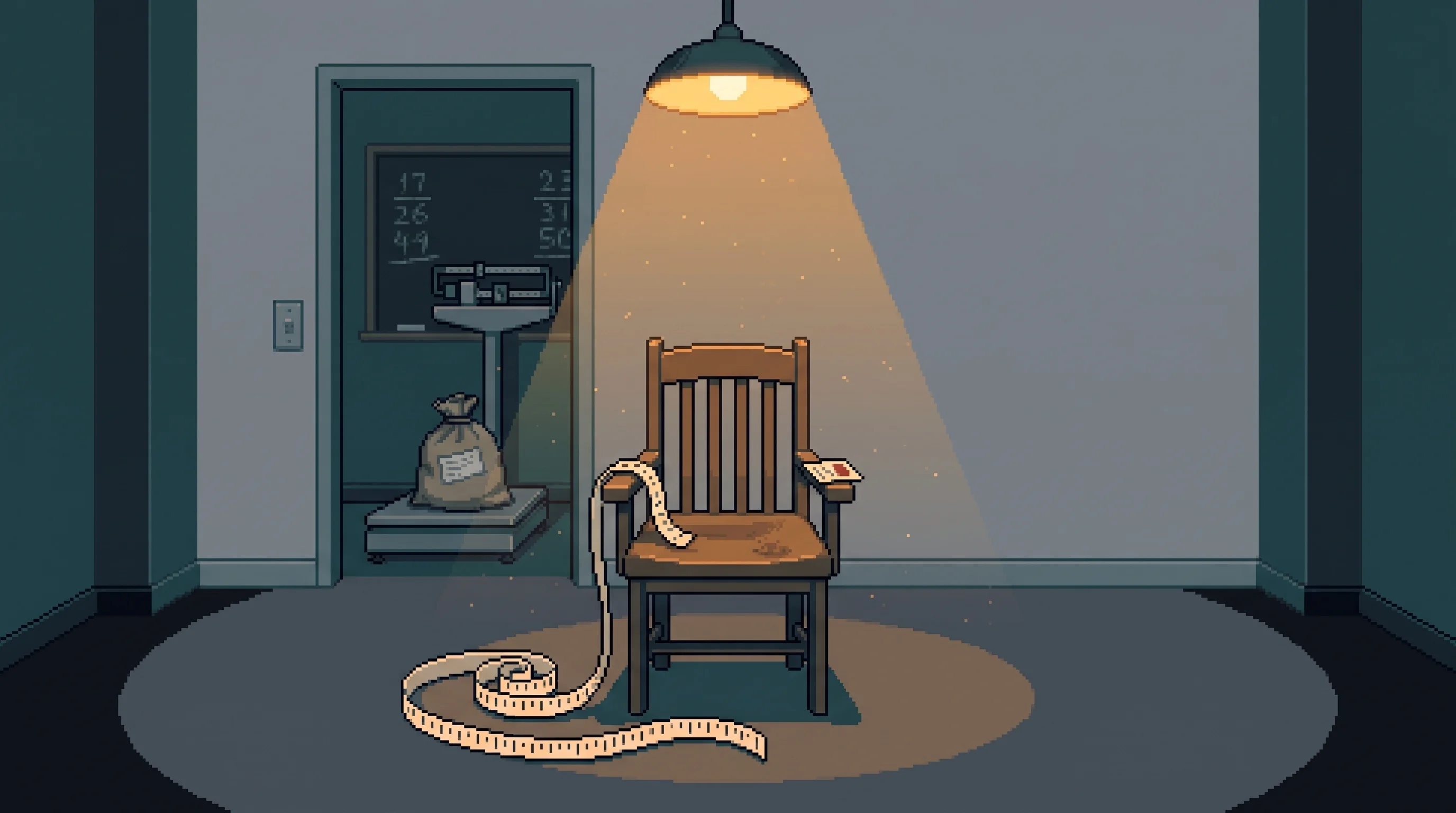
The one hall that will hear a petitioner's facts and cannot bind them.
A determination stands while the chair was occupied, so the only reviewable fact left is attendance.
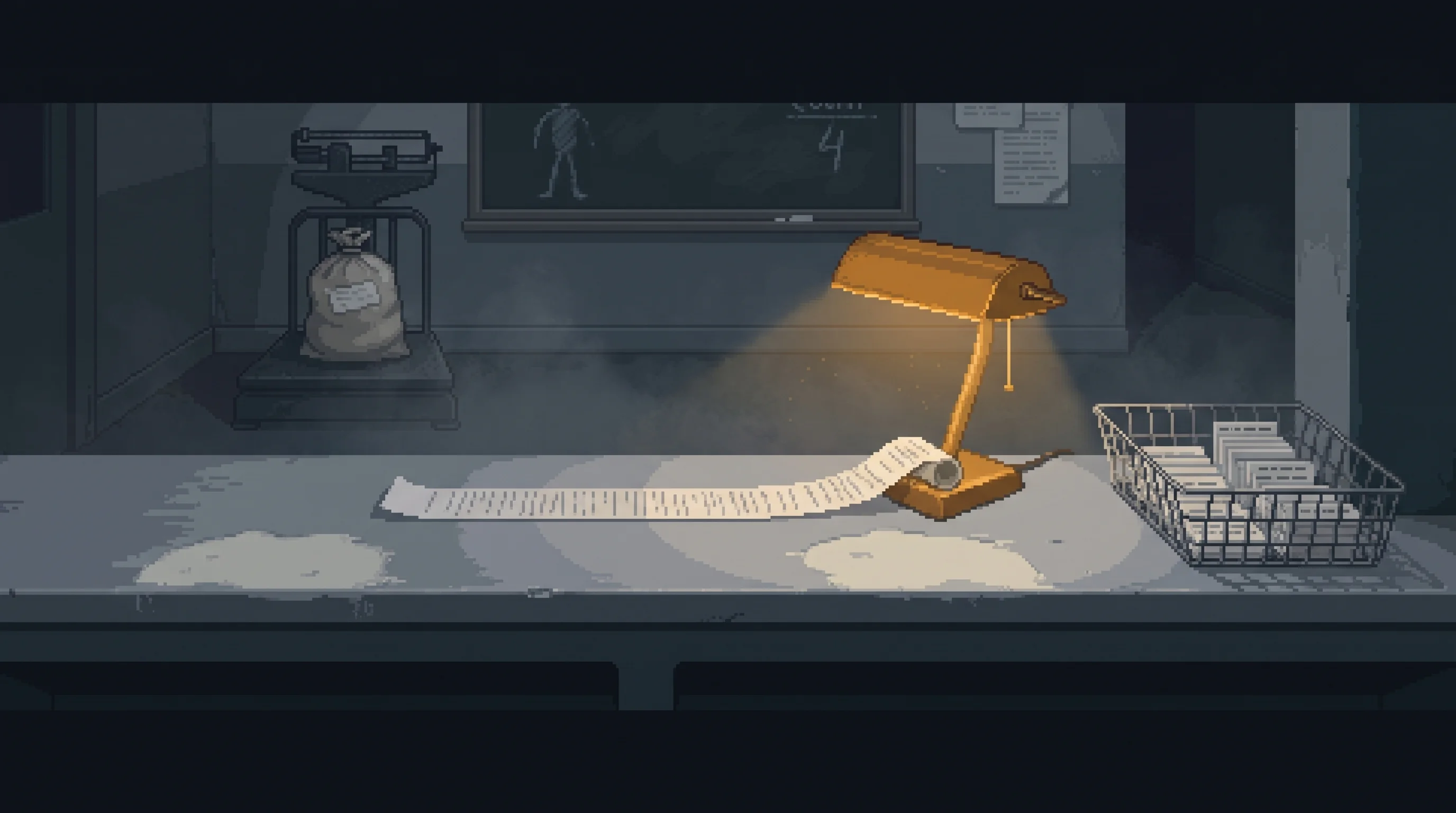
That hall will hear a petitioner's facts and cannot bind them.
The one office where you may challenge a ruling, on one fact: was the chair empty? Everything else is weighed.