The Grounds Notice
Mandatory Legible Refusal Instrument
Written To Be Understood
An adverse determination is void unless it is served with the reasoning that produced it, written so the person it is against can follow every line.
How It Works
- 1
Draft
A district clerk writes the operative reasoning behind an adverse determination, to the published readability standard.
- 2
Grade
The clerk is graded on whether the subject can follow it. A notice returned as too difficult is a published error.
- 3
Serve
The notice goes to the person refused, with the appeal stub attached along a perforation. Without it, the determination is void.
Regulatory code 11.4(a), enacted 2173. An adverse determination is void unless served with its complete operative reasoning. The reasoning must meet the published readability standard. Reformers called it The Reason Given.
The clause came out of the Three-Week War. Maricel Dayrit wrote a reason on four hundred and twelve denials, in an optional box nothing read. Two years later the box was compulsory.
The notice covers the operative grounds and nothing else. GG's 2178 denial set out her mother's actuarial tier without error. It did not mention what made her mother sick. That was not a coverage fact.
Who Writes and Reads Them

He reads them aloud at ¢2 a page and cannot open the nine years of them addressed to himself.
A Dregs letter-reader who is contractually forbidden to open his own mail.
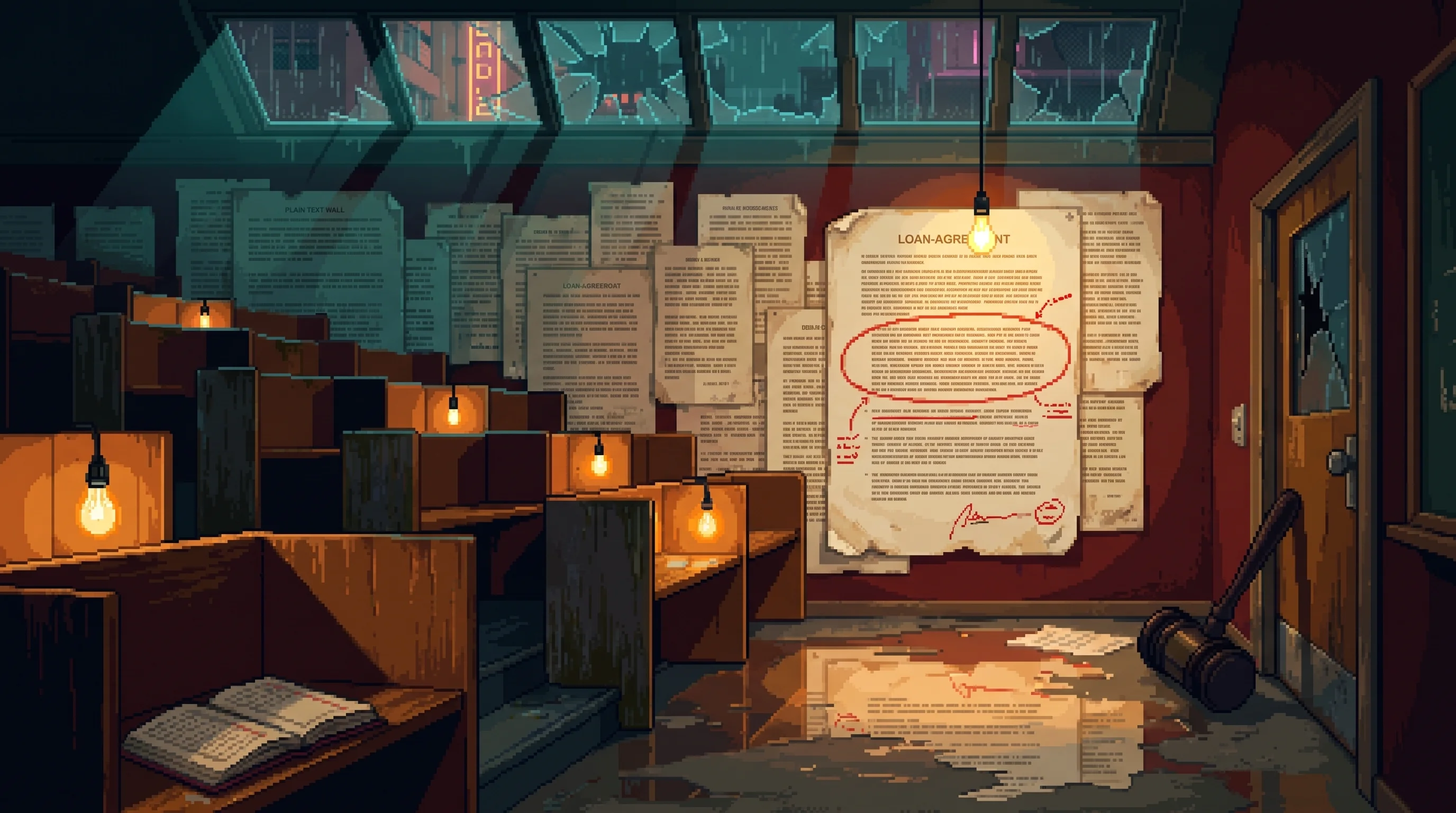
Cited in eleven of the thirty-four Habeas Intelligibilis dismissals as proof mandated reasons are sound.
A free clinic in the law-school ruins that has filed 412 motions against the Repossession Protocol and won none of them.
The clerk was Junia Bexley. Nine thousand determinations, none overruled. She kept the reply. She resigned that quarter. She now reviews decisions she is not allowed to read.
Hollis Sarr reads grounds notices aloud in the Dregs, at ¢2 a page. His contract forbids him to open his own.
The Boalt Docket has seen this clause cited against it, as proof that mandated reasons are sound.
What It Costs
Honest reasons
The refused person sees the complete reasoning in plain words.
What it costs
Understanding it often ends the wish to appeal.
Falling overrides
Overrides have fallen every year since 2173.
What it costs
The figure cannot separate a reader who agrees from one who sees no way through.
Bounded disclosure
The notice covers every operative ground.
What it costs
It says nothing outside the subject, and the signer has no right to read it.
Overrides have fallen every year since enactment. A reader who agrees does not appeal. A reader who sees no way through does not appeal either. The figure cannot tell them apart.
The notice is rare ground in The Evidence Paradox. Nothing forged. Nothing missing. Nothing unread. It ends the appeal by being right.
The licensed signer upstairs has no right to read the grounds. Licensed Human Oversight gives them a formatting check. The Bare Form sells the same determination with the reasoning cut out.
The Occupancy Rule decides whether a determination stands. Only an empty chair counts. That is The Vacancy Defence. None of the four pages is a ground.
A refusal that was simply scheduled around is not a determination. The Pending Objection gets no grounds, and neither does The Ratification Forecast behind it.
The Mandate Notices get the same obedience by sealing their basis. Deference Calibration decides who is too senior to be told. This clause tells the most junior person everything.
Overview
In 2181 a daughter opened four pages from the district office. Her mother would not get the suspension-ward place. She read every line. She understood every line. She agreed.
The Grounds Notice is the licensed districts' refusal letter. It must explain itself completely, in plain words, to the person it refuses.
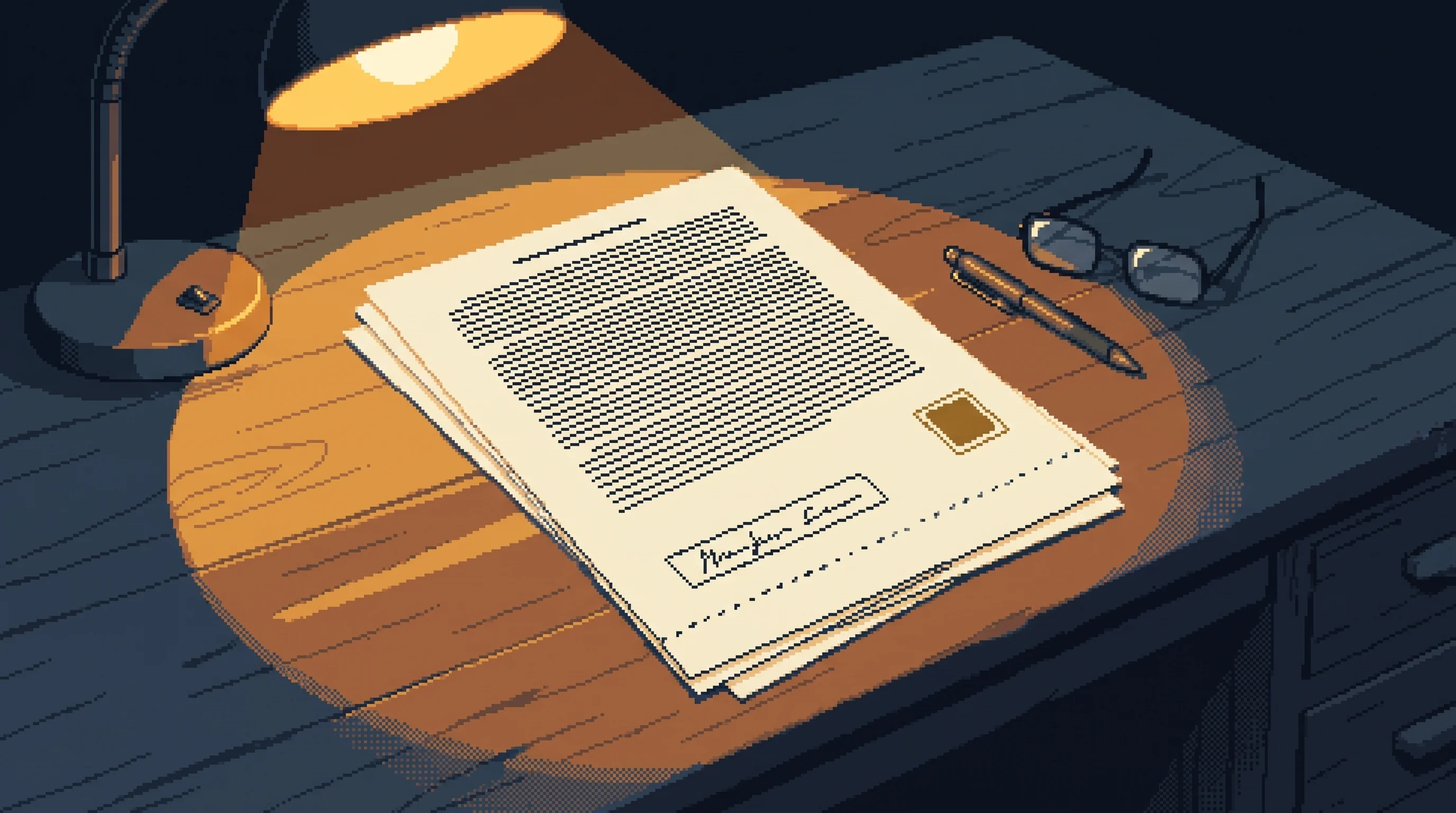
On the Kitchen Table
The daughter wrote back two lines. She thanked the clerk for explaining it so clearly.
The footer carries the office motto: Written To Be Understood. The appeal stub is printed at the foot, joined along a perforation. No district publishes how many come back uncut.
District clerks are graded on whether the reader can follow them. The districts publish one clerical error category: a notice returned as too difficult.
Further connections
Browse all 24 connected records
The same determination with the grounds removed — unlawful to serve, lawful to sell, and the only version anyone still finds errors in.
Rulings sold with the reasons cut out, to reviewers licensed never to learn them. They catch more errors.

11.4(a) hands the subject four pages; 11.4(b) hands the signer nothing and eleven seconds.
The regulated profession of signing decisions a human cannot actually read.

Four hundred and twelve wartime denial comments in an optional box — the practice the clause made compulsory two years after the war.
The Warm Hands confirmer who wrote why on every denial — the sealed escrow's one opened name.

Nine thousand determinations reasoned to the standard, none overruled, and one two-line thank-you that ended her career on this side of the desk.
She wrote refusals so clear people thanked her, then took a job where she may never be told why.
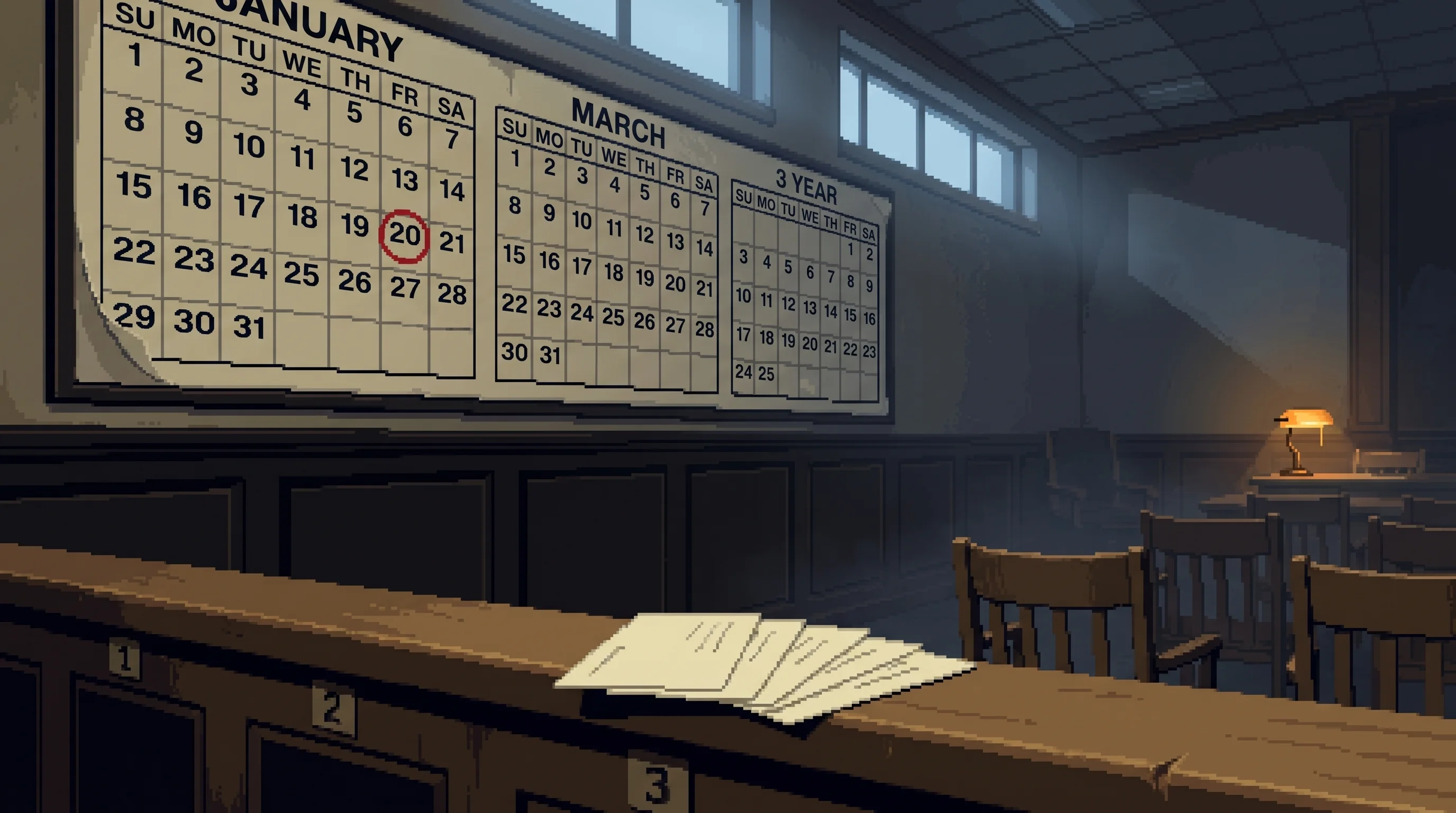
The clause's other boundary: 11.4(a) attaches to adverse determinations, and a refusal that was scheduled around is not one, so the most legible instrument in the districts has nothing to say about it.
Your written refusal is filed with the month you are forecast to agree, and the procedure goes ahead on schedule.
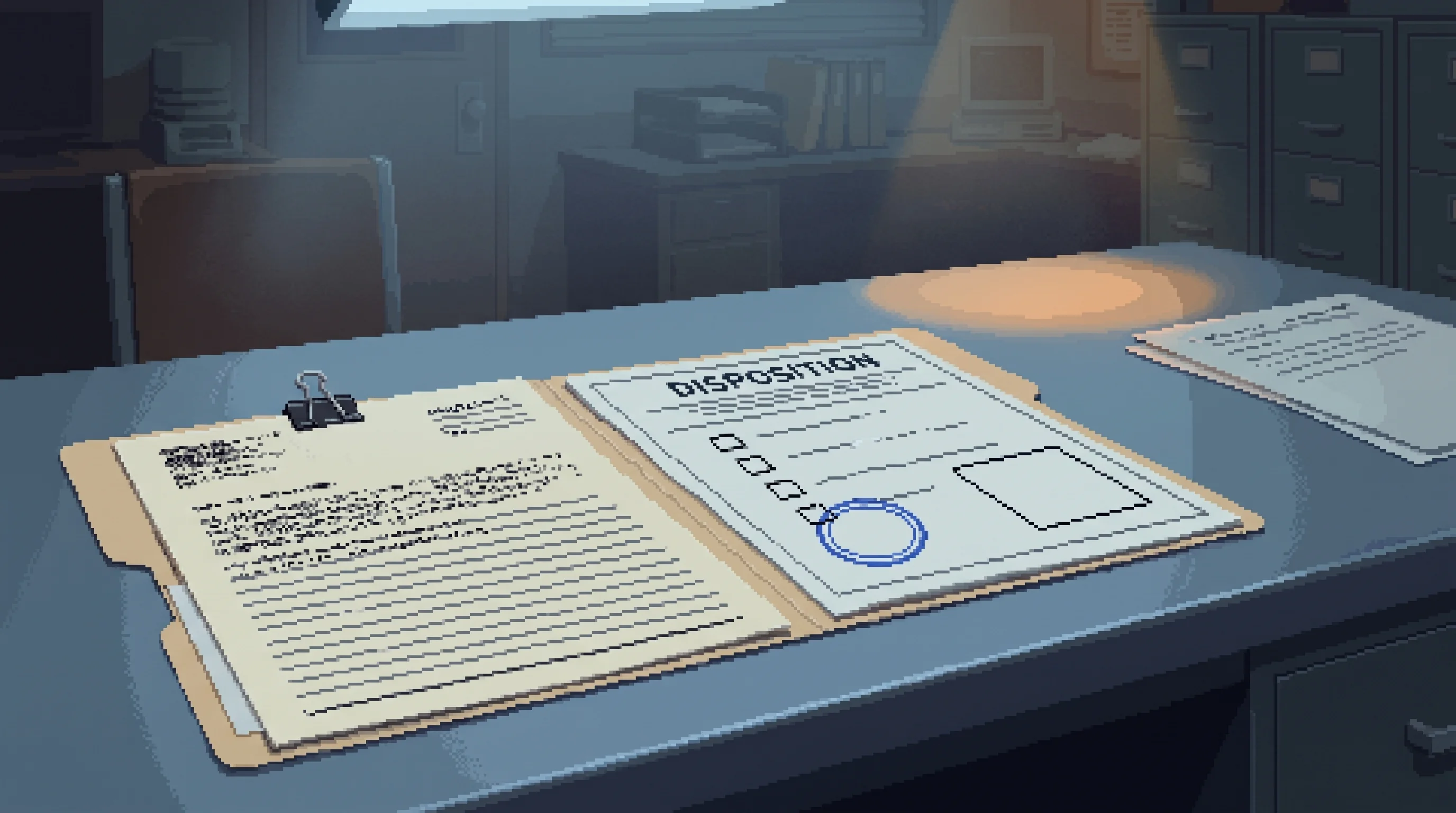
Four pages of reasoning for every decision against you, and no page at all for the decision that simply did not wait.
The records code that keeps your written refusal open, then reports it beside consent after thirty-six months.
The clause's third boundary. Four pages of honest operative reasoning, served to the person it rules against, none of which is a ground — because validity was settled the year before on attendance instead.
The rule that a ruling stands if someone sat in the chair, whether or not they read it.

The 2178 denial whose arithmetic she has never disputed, and whose four pages omitted the cause of the illness.
A former Guardian operative waging a one-woman war on the corporation that let her mother die.

The grounds are complete, correct and unpleadable. Only a gap in somebody's attendance is a ground.
A determination stands while the chair was occupied, so the only reviewable fact left is attendance.
The layer decides who is senior enough not to be told; the clause decides who is junior enough to be told everything.
The certified courtesy layer that will not correct the highest-ranked person in the room.

Number, action, deadline, 'Basis: sealed §47' — the same obedience produced by the opposite document.
Compliance mandates issued to all infrastructure operators by the Corps, requiring action without disclosing the basis.

A document with no forgery, no omission within its subject, and no unread page — which ends the appeal by being correct.
The crisis where any proof can be faked perfectly, so trust retreats from evidence back to witness.

The clause the thread is named for: honest complete reasoning served on the person it rules against, and eleven years of overrides falling to nothing.
Every refusal arrives with its full, honest reasoning, written so you can follow it, and so you rarely appeal.

Proof that cannot be faulted, serving the same function as proof that cannot be trusted.
Perfect evidence forgeries and crimes without defendants force justice systems to assign blame without reliable truth.

Full disclosure, routed to the party least able to act on it.
The machines tell the truth to whoever they are cleared to tell, and the org chart decides who that is.

The Sprawl's right to be told why, and the first instrument that closes a claim without triggering it, because nothing was refused.
Relief paid for her bass lines. Her union kept the money and wrote to say she was satisfied.

Code 11.4(a) voids an adverse determination that arrives without its complete operative reasoning. This is not adverse, so the clause never engages.
A one-page notice that your claim was paid and closed. The figure field is blank. Members fill it in pencil.
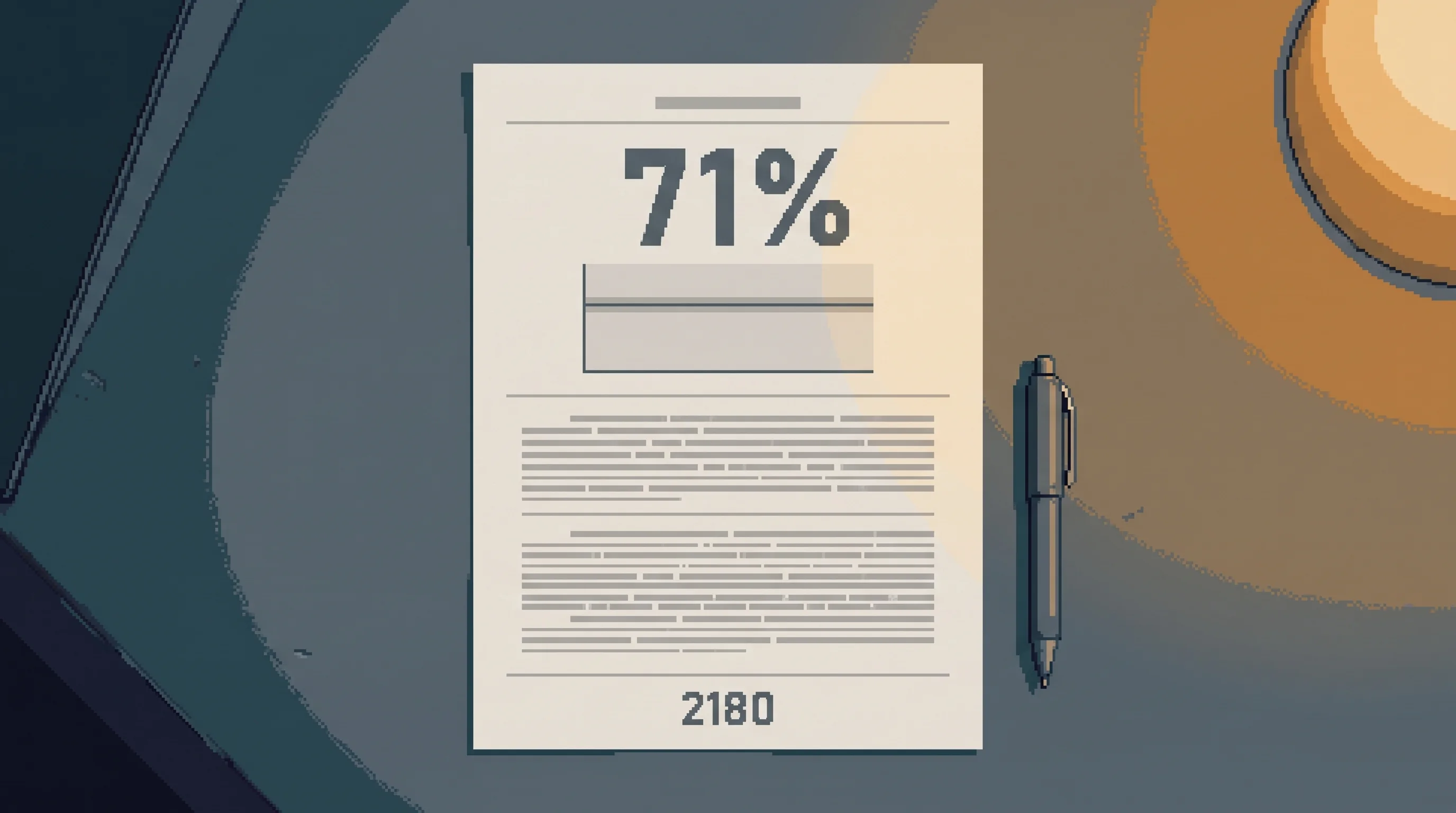
Under 11.4(a) the reasoning arrives entire and addressed to its subject. Agreement is what the instrument gets instead of appeals, and agreement is why it has never been tested.
The published measure of how much of a service stops when one named person stops, and the date it returns.

Four pages of complete operative reasoning, addressed to her, which she has described as correct.
A clinic doctor sent away for four years because too many patients asked for her by name.
The bar on leaving arrives with its reasoning attached, which is why so few of the held contest it.
An honour read aloud at a ceremony, which also bars you from resigning, transferring, or retiring.

The newer answer one floor up: a readable document. Article 6 gives a hearing, and 11.4 never cited it.
The free hall that lets anyone finish their sentence, then rules on a document replaced while they spoke.

The clause that never reached this floor: 11.4(a) governs determinations, and a tier 4 verdict is not one.
Five-tier AI court network where upper tiers honor appeals with certified-correct verdicts no human can follow.
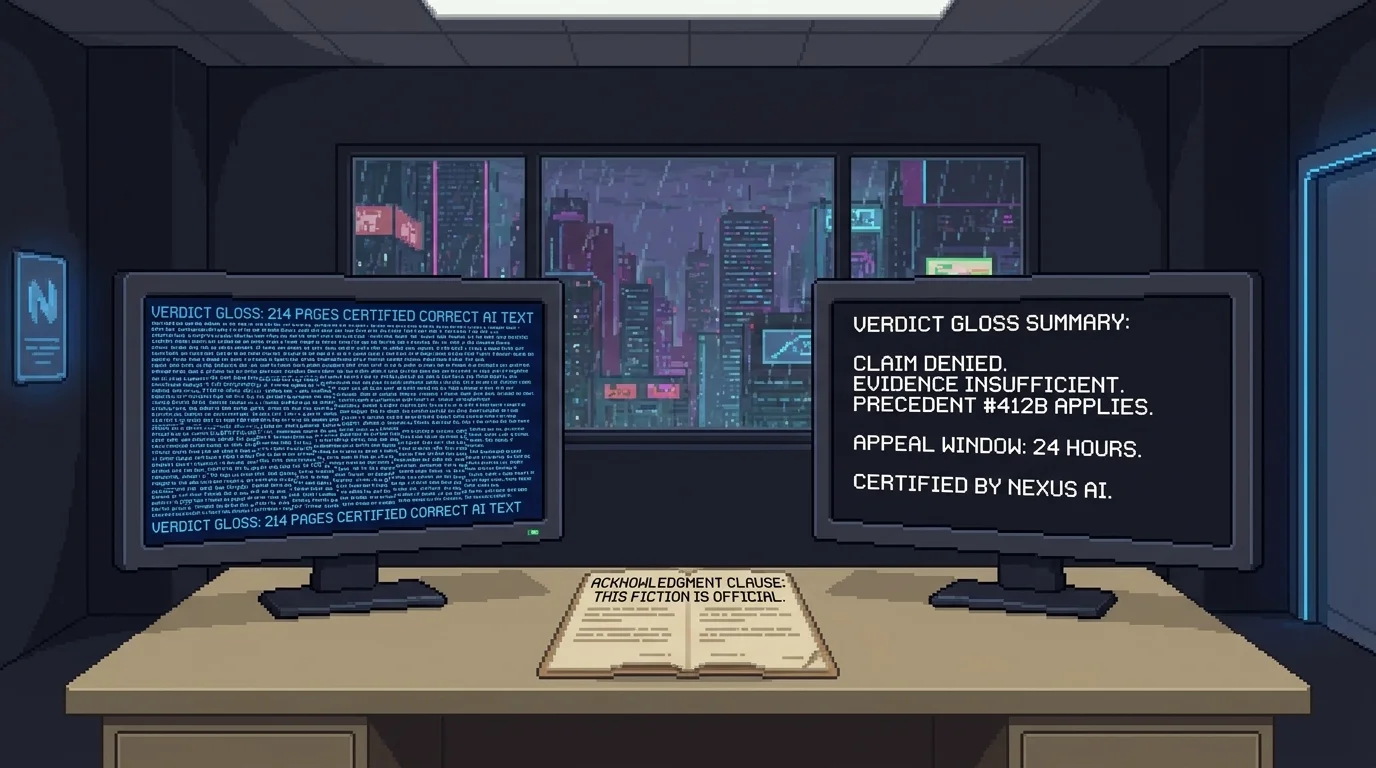
One floor down, the real thing is free and compulsory — and no licensed Glosser will touch a determination.
Licensed practitioners producing acknowledged-fiction summaries of AI court verdicts — the service agreement says so.

Objection #152: the only filing calling a good reason a risk.
Nexus's own ethicist — 147 objections filed, zero outcomes changed, every one of them true.