The Attendance Bar
Occupancy-Only Appellate Trade
We do not read the file either
The Attendance Bar is the licensed appellate trade that pleads only the vacancy ground; its members are called roster readers
The Records
Pricing the chamber
A reader checks whether a chamber's building records are clean before taking a case.
A clean chamber is declined at the first meeting, with no retainer.
Buying the building
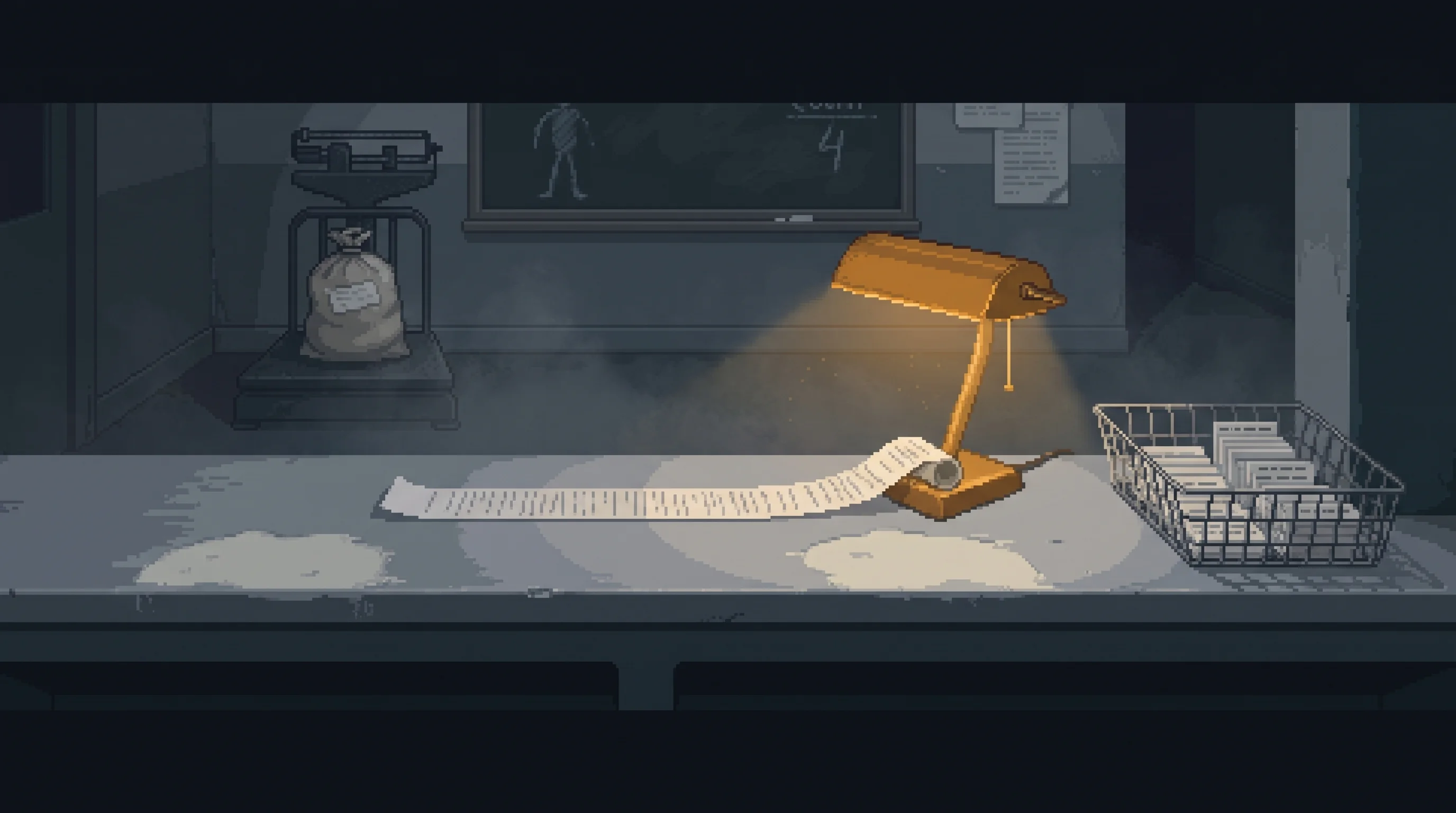
Readers purchase door counts, seat service logs, catering schedules and heat traces.
The pleading rests on the building records, never on the matter under appeal.
Under the Occupancy Rule, the sole ground of appeal is a gap in a warranted holder's attendance. So readers do not read the matter under appeal. They buy the building: corridor door counts, seat service logs, catering schedules, heat traces from one afternoon in one hallway. A reader's office looks like a surveyor's.
Between them, the readers file more pleadings than every firm still arguing the merits.
Overview
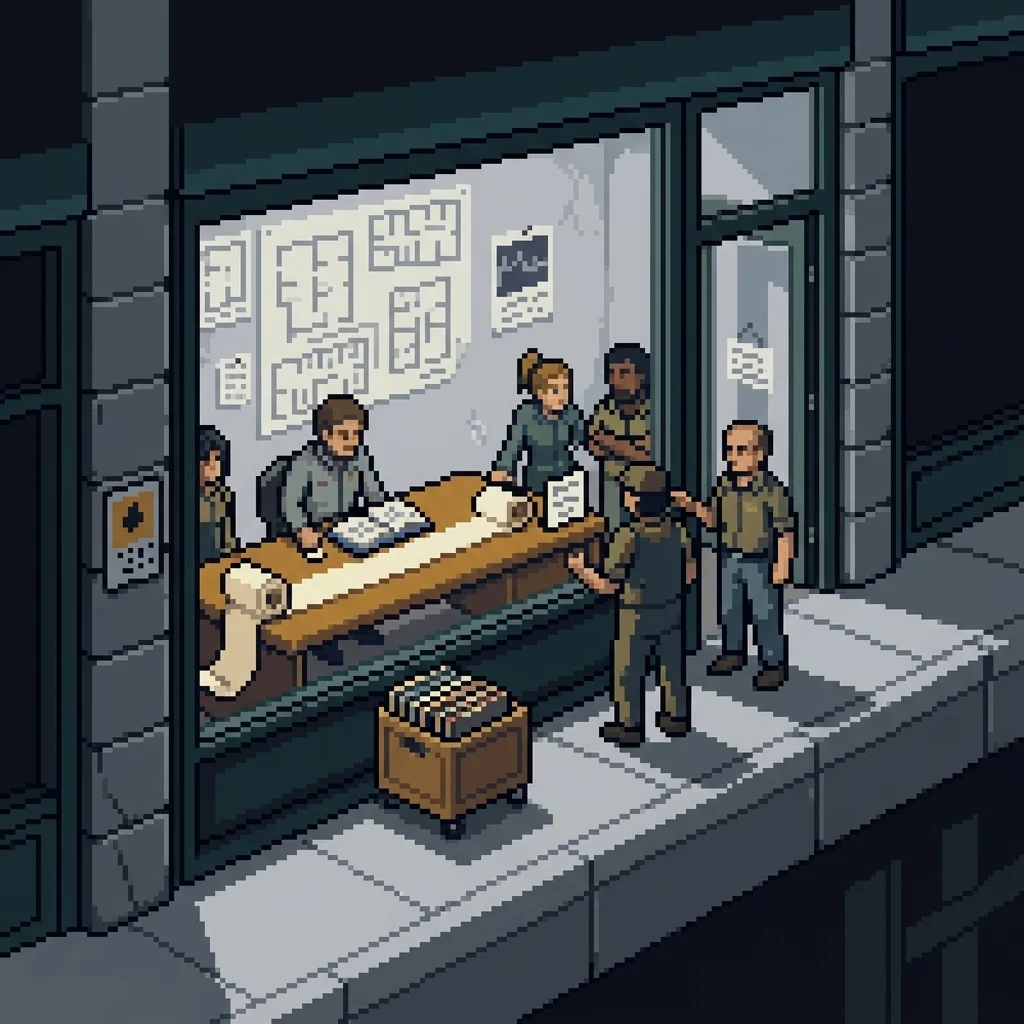
A petitioner sits down in an office on the shelf road above Old Town. She starts on the facts. The roster reader raises one hand.
"We can't use that," he says. "Which chamber? Which seat? What date?"
The Attendance Bar is a row of offices four minutes' walk from the Vacancy Register. Its members are called roster readers. They sell one thing: proof that for some interval, the chair was empty.
The Fee Card
The fee card stands face-up on every counter:
First meeting: Free. We will tell you if your chamber is clean. Door counts: At cost, per corridor, per day. Thermal trace: At cost, plus courier. Reading of the facts: Not offered.
A hopeless pleading costs more in reputation than it pays.
You Never Read the File
Every reader hears it. The answer never changes. The clerk at the Register does not read the file either. Under Licensed Human Oversight, the holder in the seat was never required to understand it. We just charge for saying so.
Below the Rim, the Bar's reputation is better than its critics expect. It tells petitioners the truth about the procedure before it takes their money.
A reader once found a gap around the twenty-second minute of the sitting that took Iona Draskovic's licence. He carried it down to her bench in the Cathodics. She said the instrument had asked her a fair question, and she would not have the answer undone by somebody's bladder. He tells the story upmarket as a curiosity.
Seat Four keeps the cleanest log on the S2 floor. Readers know Anton Kiszka's record better than he does. Twice now, readers have filed on a gap the holder disclosed himself. The trade now watches for volunteers.
The Street
The Boalt Docket argues the merits for free, loses, and funds itself from an attendance desk that does the Bar's work badly. Deep Verification cannot match what a reader clears for reading nothing. The Truth House refuses vacancy work, because a priced fact is not a fact. The Verdict Glossers still summarise verdicts no appeal will examine. The Tiered Adjudication System has five tiers and, for the Bar, one ground. Many priced seat-holders sleep in the Stacks. The Abatement Office sits uphill, doing the same honest arithmetic. In Post-Truth Justice, a warm chair is the fact the forgers left alone.
Further connections
Browse all 15 connected records
Founded on the 2172 amendment and on nothing else. When comprehension stopped counting, the trade that counts seconds became the only advocacy with a route to a result.
The rule that a ruling stands if someone sat in the chair, whether or not they read it.
The Register's counter is free and its evidence is not, so the Bar is the practical gate: it buys the records that make a pleading arguable and files most of the ones that succeed.
The one office where you may challenge a ruling, on one fact: was the chair empty? Everything else is weighed.

Seat Four is the cleanest log on the S2 floor, which is a professional fact about him and the only kind anybody keeps.
He sits in the chair that makes a district's rulings final, and keeps the petitioners' first names in pencil.

A reader brought her a plausible gap and she declined it. He tells it upmarket as a curiosity.
A struck engineer who would not bluff one answer, and now checks Dregs columns for pie and spare parts.
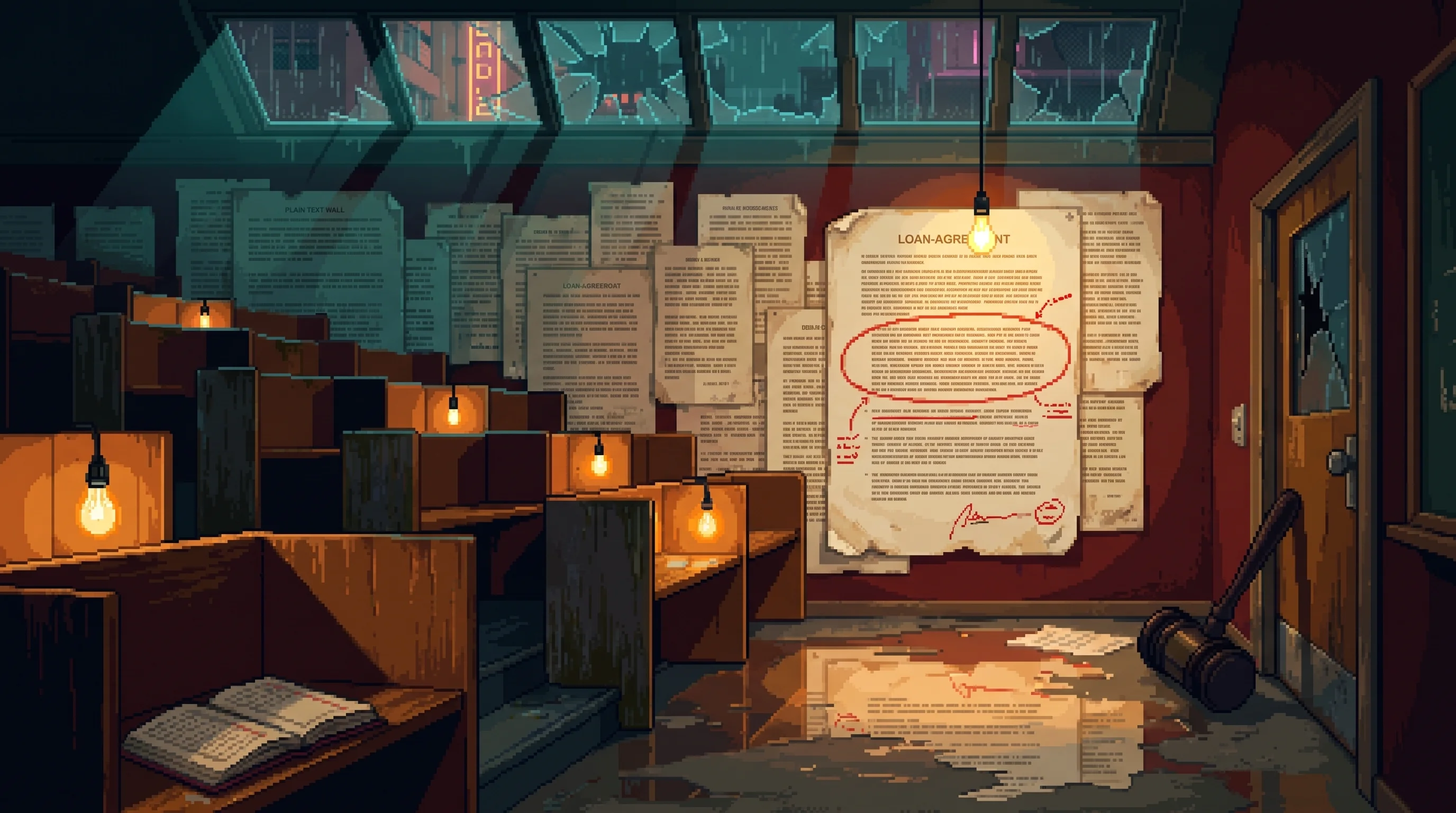
The clinic pleads the merits for free and loses, then funds itself from an attendance desk doing the Bar's work badly.
A free clinic in the law-school ruins that has filed 412 motions against the Repossession Protocol and won none of them.

That market pays specialists to read machine reasoning and cannot match what a reader clears for reading none of it.
The black market where the few humans who still understand machine reasoning get paid to read it.

The Dregs bureau will verify anything by eye except this, on the grounds that a priced fact is not a fact.
A Dregs bureau where walkers verify claims with their own eyes and a pencil, trusted over Nexus's billions.
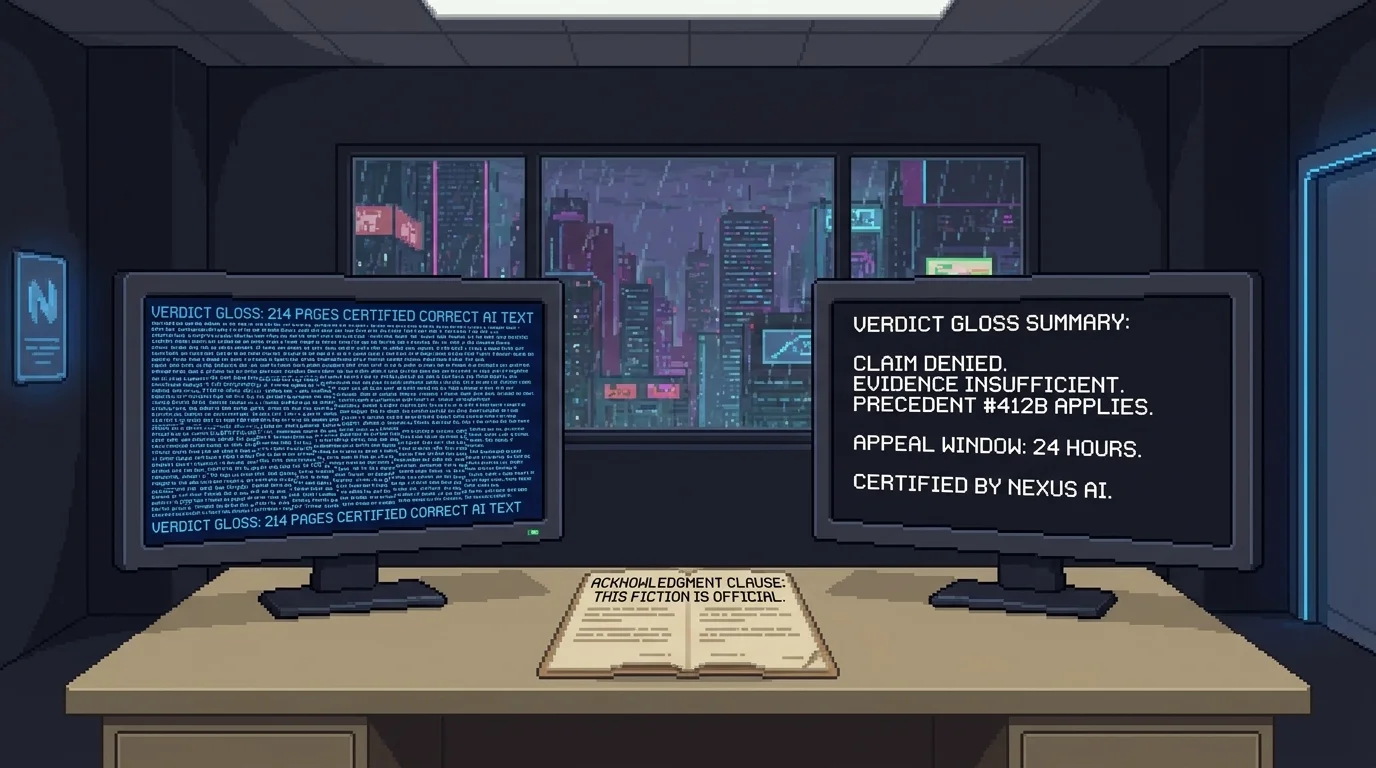
Their summaries explain a verdict no procedure will now examine.
Licensed practitioners producing acknowledged-fiction summaries of AI court verdicts — the service agreement says so.

Every warranted seat the profession fills is a log the trade prices.
The regulated profession of signing decisions a human cannot actually read.

Five tiers, one ground, the same bundle of building records.
Five-tier AI court network where upper tiers honor appeals with certified-correct verdicts no human can follow.

Most seat-holders whose logs it prices sleep above the landings.
A vertical slum five buildings deep, 90,000 living on foundations certified for 12,000 and never resurveyed.
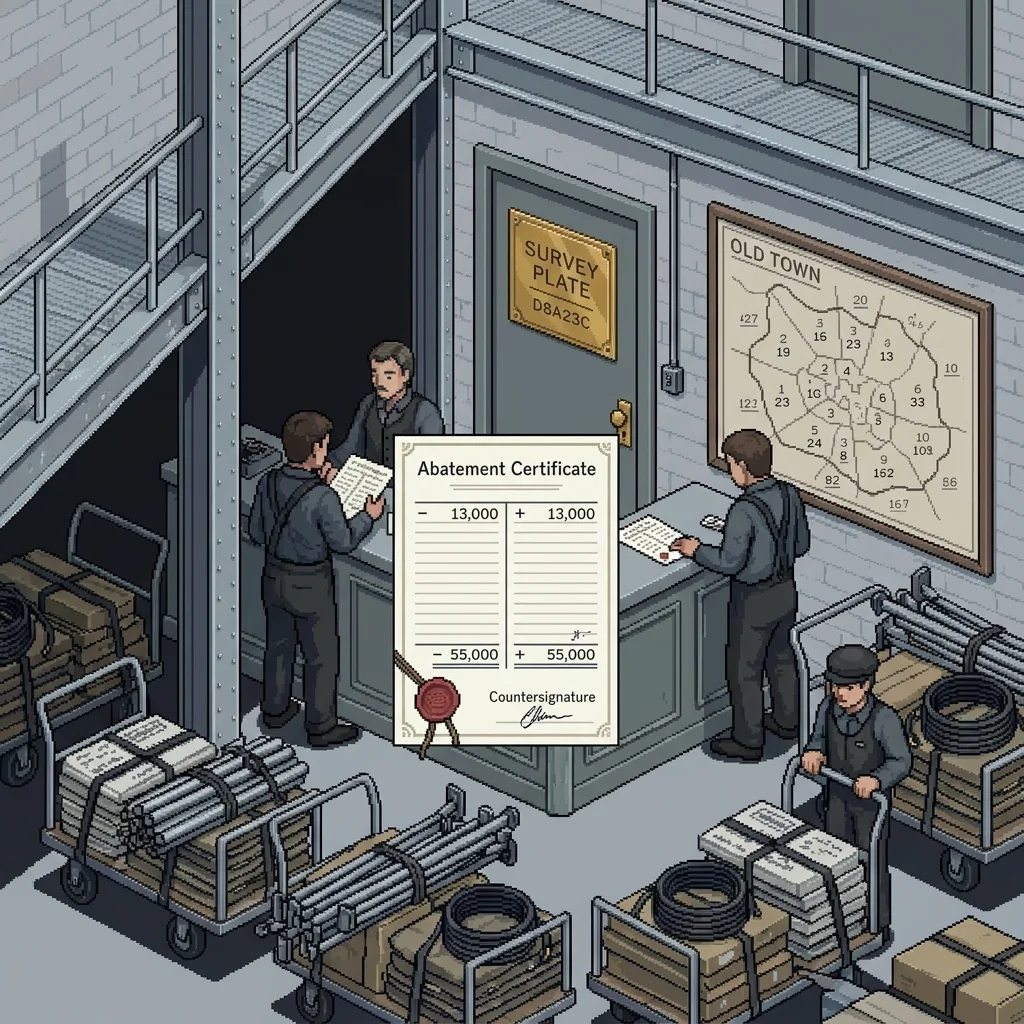
A hundred and fifty metres uphill, in the same honest arithmetic.
The licensed trade that lowers a district's Saturation Load by moving its emitters somewhere nobody will contest.
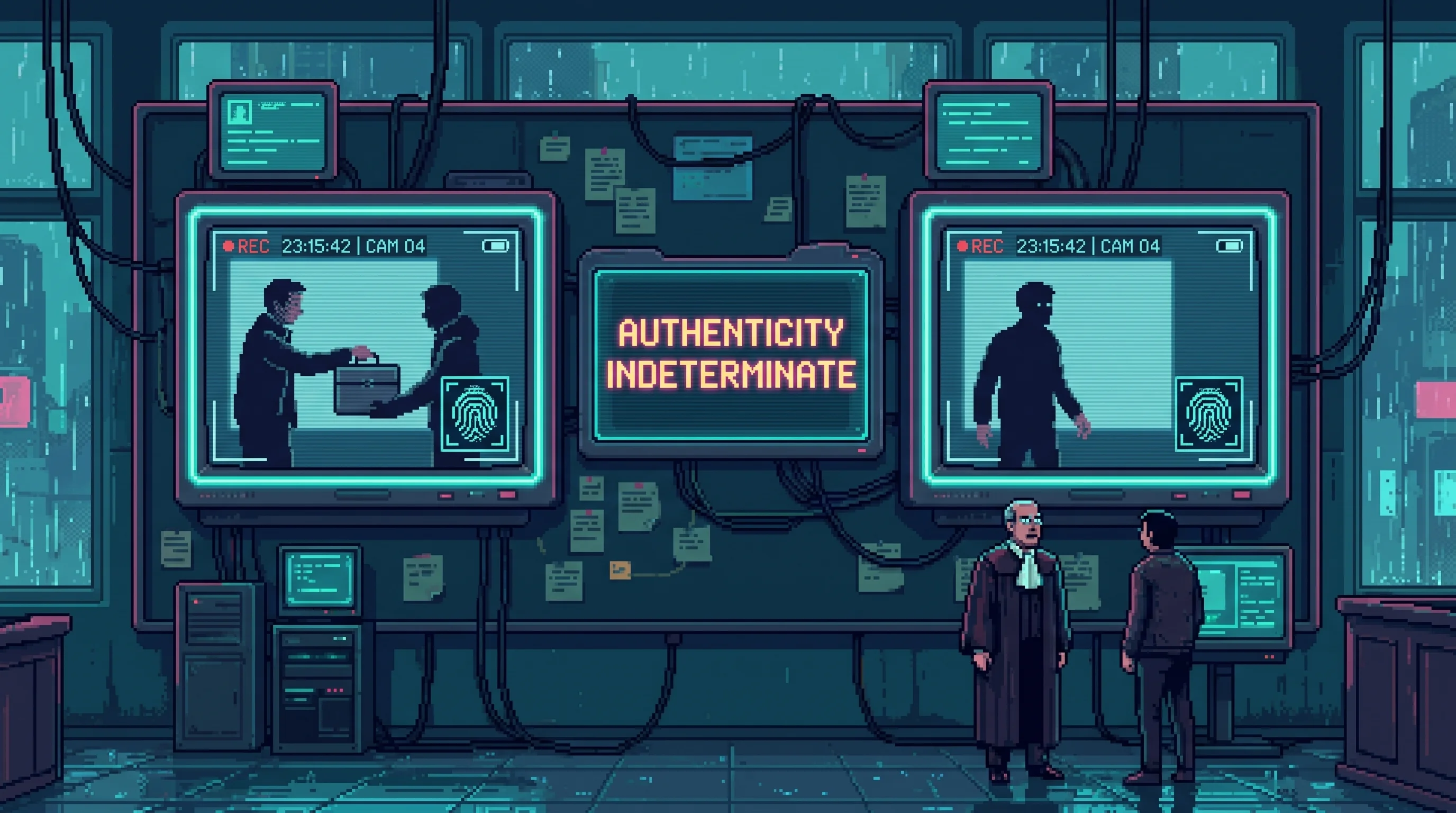
It sells the one fact that survived the forgeries.
Perfect evidence forgeries and crimes without defendants force justice systems to assign blame without reliable truth.
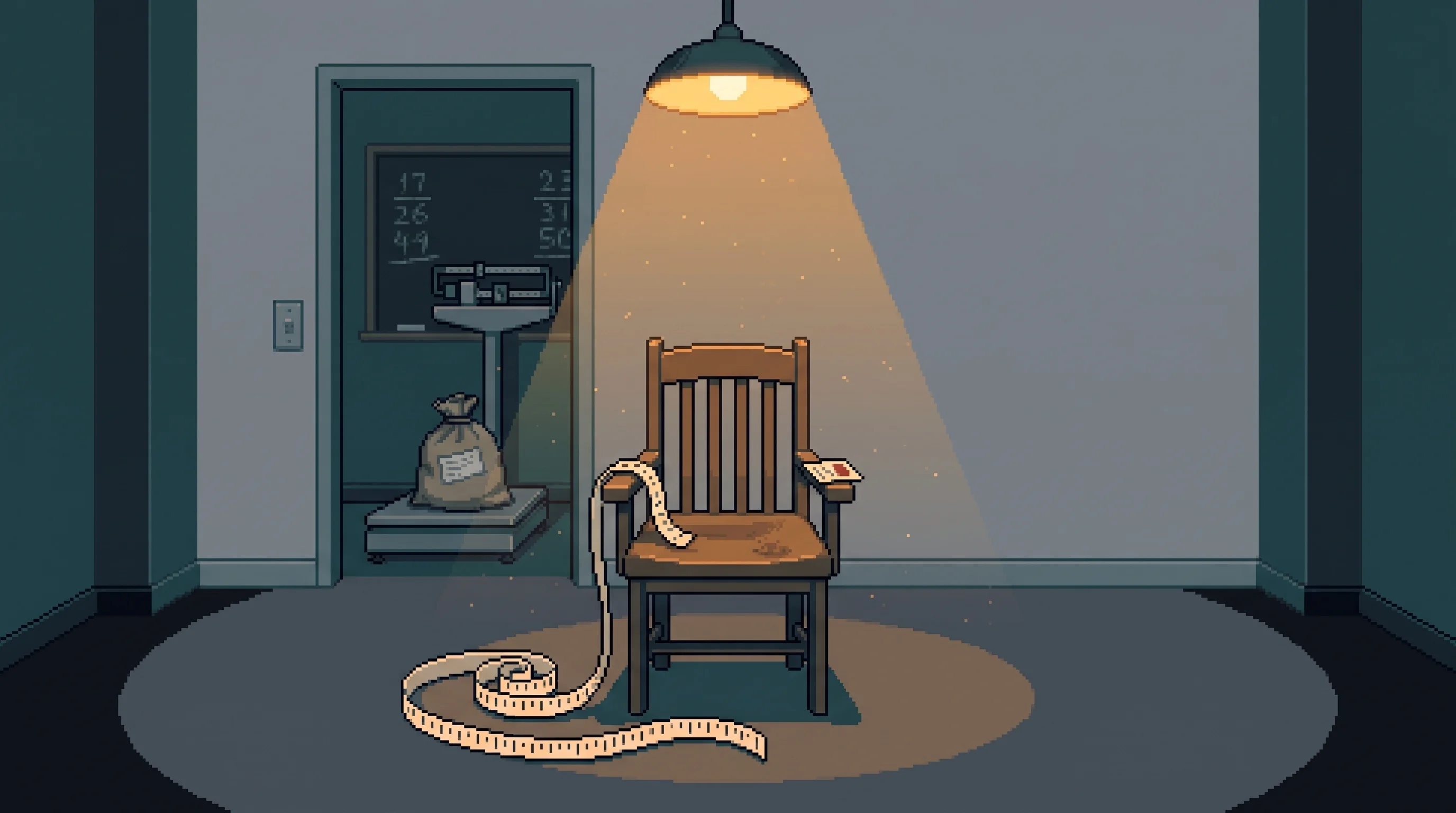
The thread's economy. One admissible fact turned advocacy into a records purchase, and the people who got good at it stopped needing to know what any case was about.
A determination stands while the chair was occupied, so the only reviewable fact left is attendance.

She names the trade at the filing window, as process rather than odds.
She runs a free court with good tea, lets every petitioner finish, and made one ruling stick, in 2166.