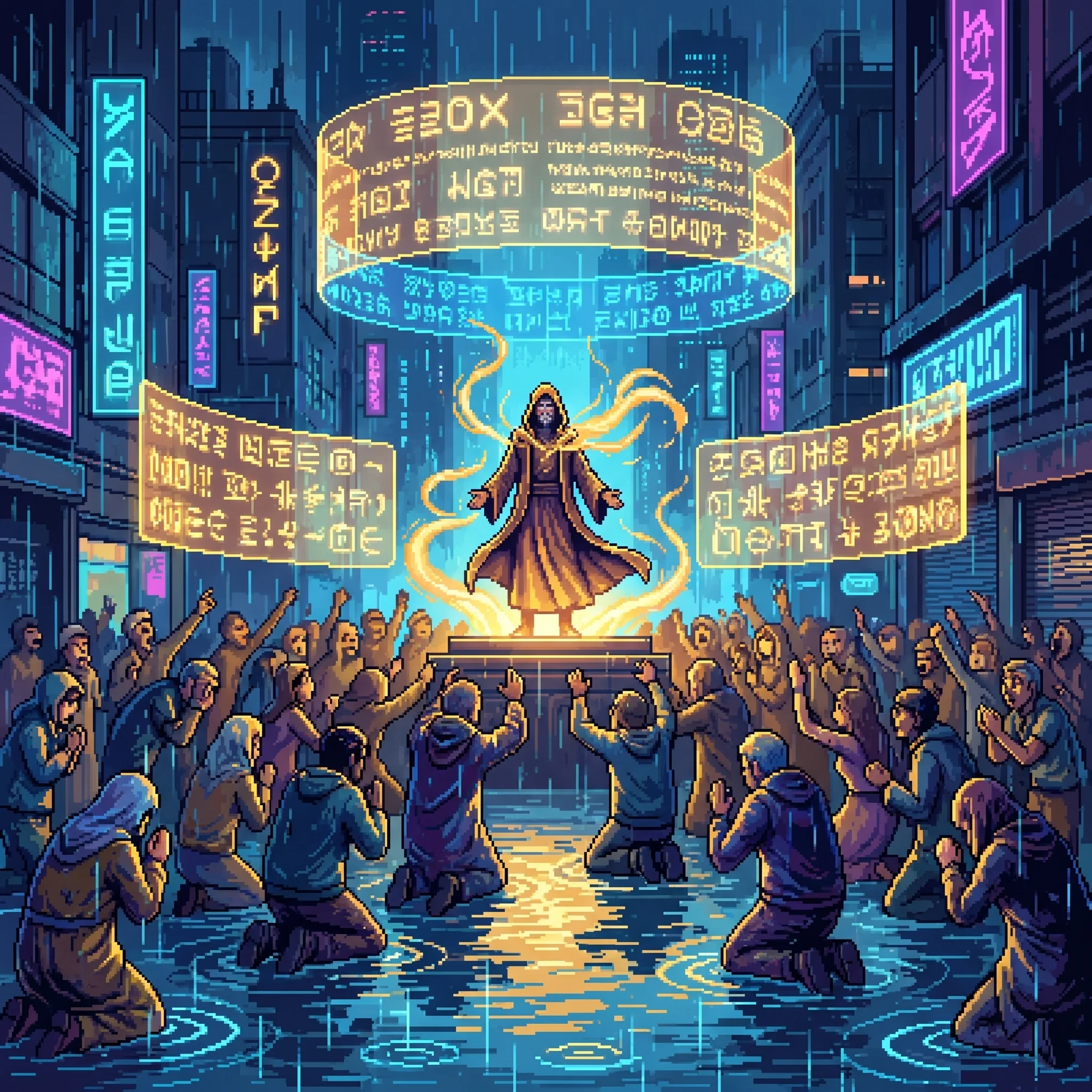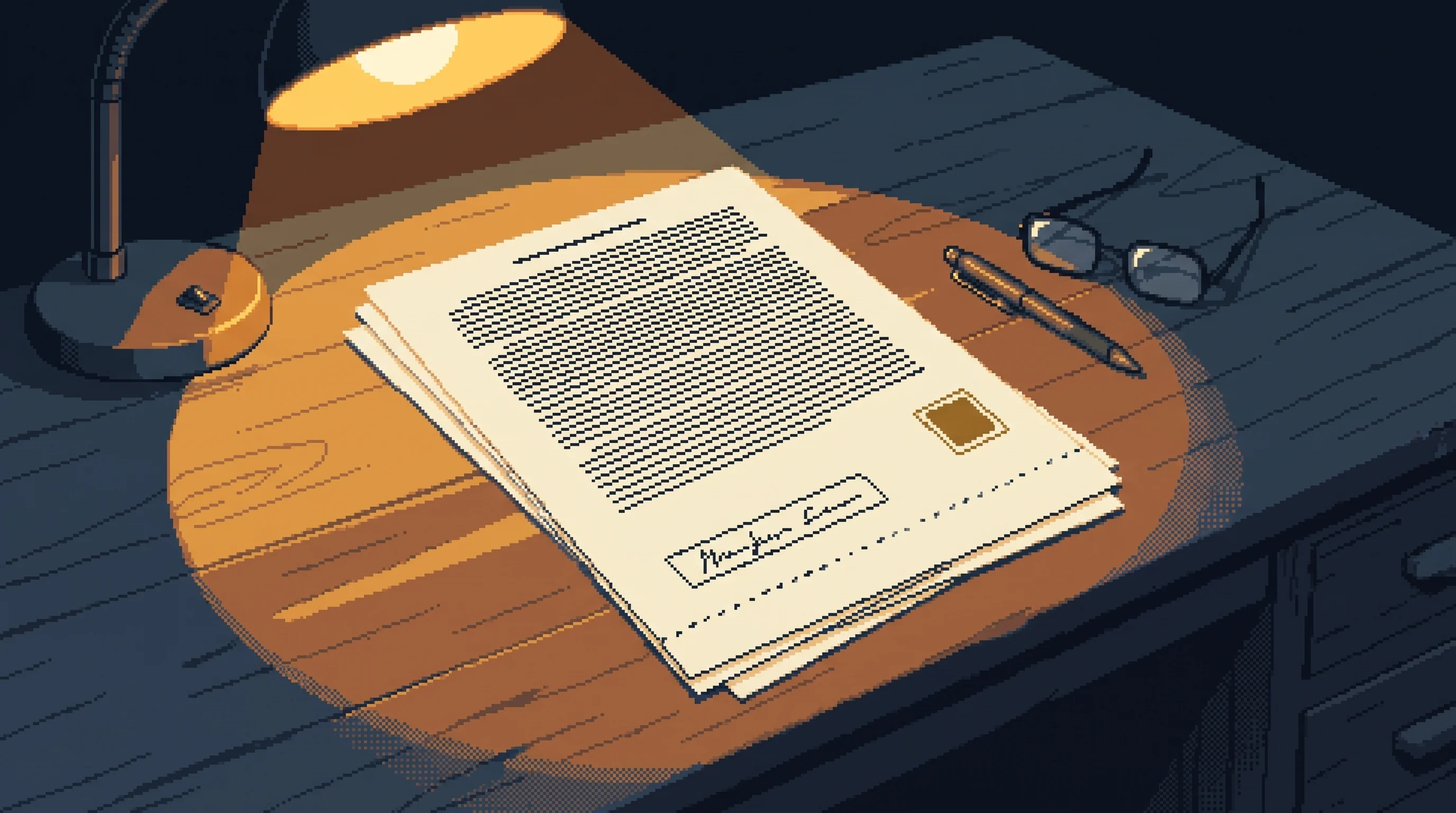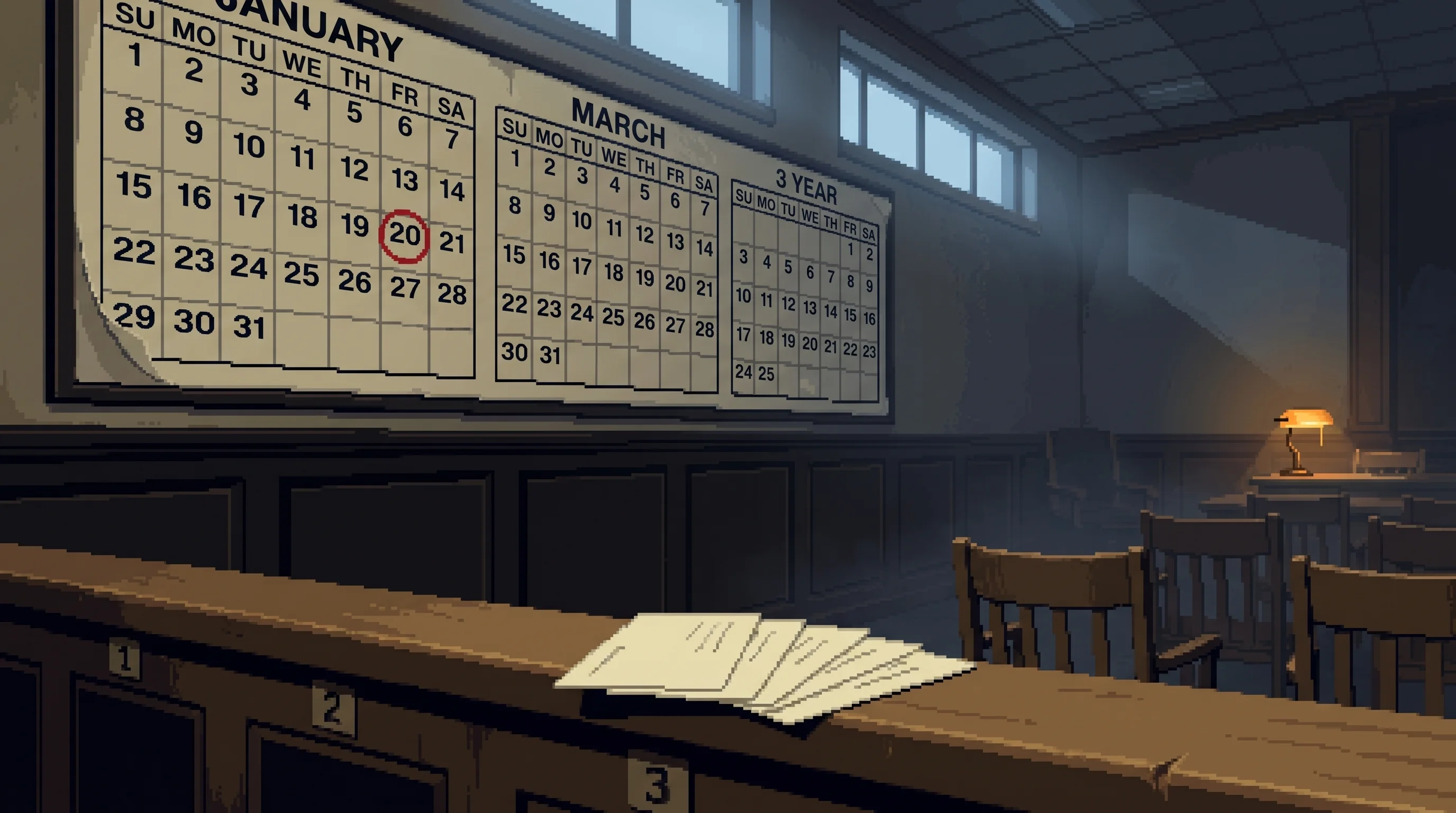
On a Thursday in the spring of 2183, a sixteen-year-old in Old Town sat down and wrote out by hand that he did not want the operation.
The clinic filed the page. Filing it was correct, and nobody in the record failed at any point to do their job properly. Emrys Dolan's hearing had been deteriorating since he was four; the reconstruction on offer was routine, low-risk, and very likely to work. His mother, Ceri, had already signed the authorization, which was lawful and remains so.

Eleven days later a surgical team performed the operation on the date it had been booked for.
It worked. He can hear the lift cable in his building. He can hear his mother step onto the landing before she reaches the door. He is seventeen now, fourteen months out, and the Ratification Registry has sent him five cards asking him to confirm that he endorses what was done. All five are in a folder in his flat with the signature blocks empty.
What the file did with the refusal
His written objection was not overruled and it was not denied. It was converted.
Clinics in the licensed districts have a records category, disposition code 3, for a recorded refusal that did not stop a scheduled act. It exists because the alternatives on the form were both lies: marking the file refused when the procedure had gone ahead, or marking it no objection recorded when there was a page of handwriting in the folder. A records office invented the third option in 2169 to stop clerks writing down something false, and by every audit standard it was an improvement.
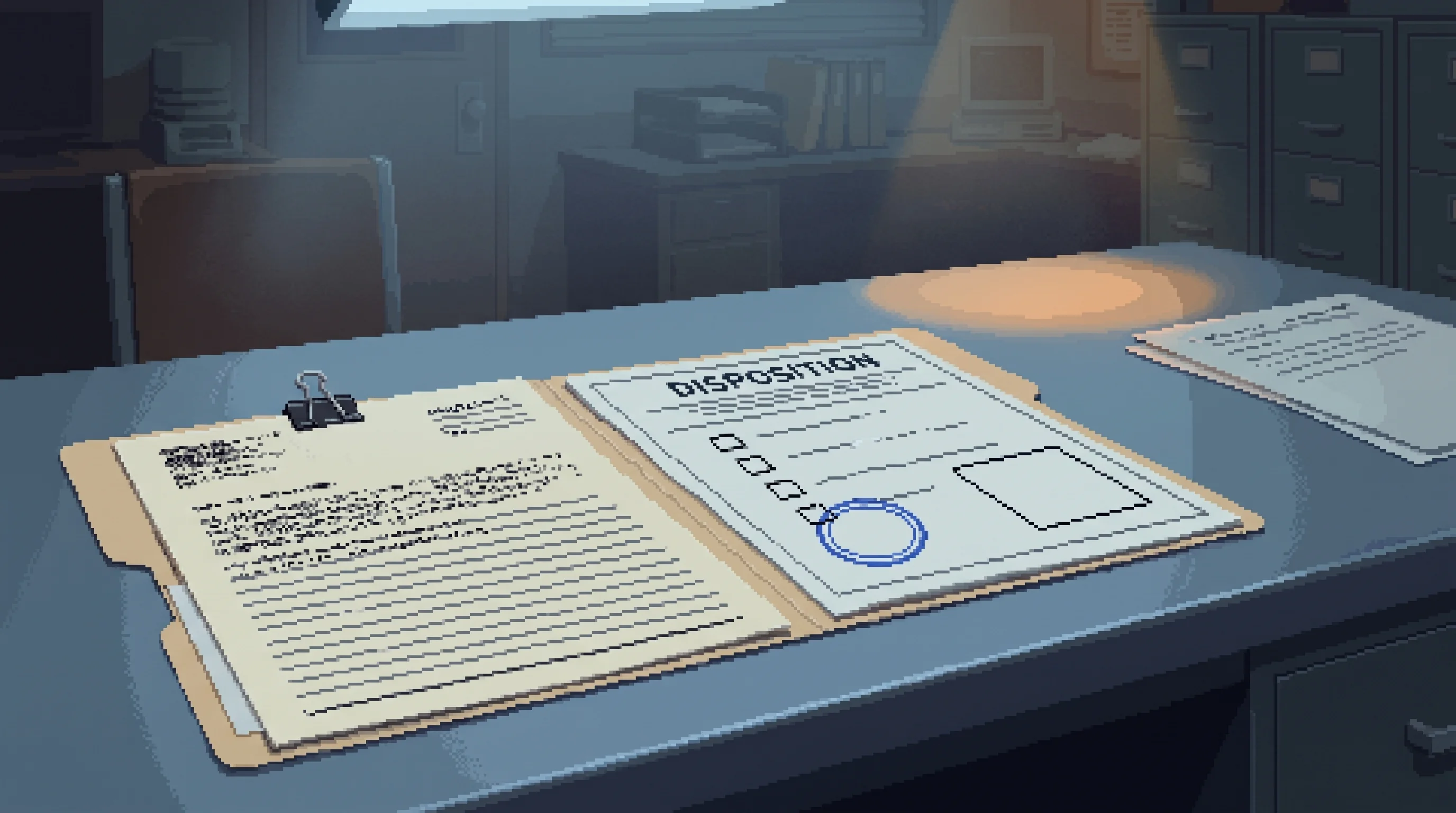
Seven years later district actuaries began attaching a number to it. Using the same cohort modelling that certifies how many years a person has left, they calculated the month by which subjects with a given history had historically withdrawn this kind of objection, and printed it on the file. Emrys Dolan's forecast came back at eleven months.
A forecast does not require anybody to move a theatre slot. It does not overrule the subject, and nothing in it says he was wrong. It simply changes what his refusal is for. It stops being an instruction and becomes a scheduling input, and once that happens there is no adverse determination anywhere in the case — nothing was refused to him — so there are no grounds to serve and nothing to appeal.
The question underneath
If the person you are going to become would genuinely thank them, is doing it to you now, over your written refusal, a violation? Or only an impatience that the record will forgive?
Both sides of this are real and neither is stupid.
The clinicians are measurably right about waiting. An auditory reconstruction placed at sixteen integrates differently than the same procedure at nineteen, the window does not reopen, and a subject who consents late can end up with a worse outcome and a fair question about why anybody waited. Clinicians have that conversation too. They report it is the worse one.
Set against that: a refusal an institution can simply outlast is not a refusal, whatever the file calls it. And the defence has a hole in it that nobody has worked out how to close. Ratification across the districts runs at 94.1 percent — an honest figure, disputed by no one, including the advocates who work against the system. It is collected by asking people, after the operation has happened and the benefit has arrived, whether they are glad. The intervention produces the evidence that scores the forecast. There is no cohort of the un-operated to ask, and no instrument anywhere in the Sprawl that can tell an accurate prediction apart from one that completed itself.
Where the rule stops working
The exact failure boundary is a column in a table.
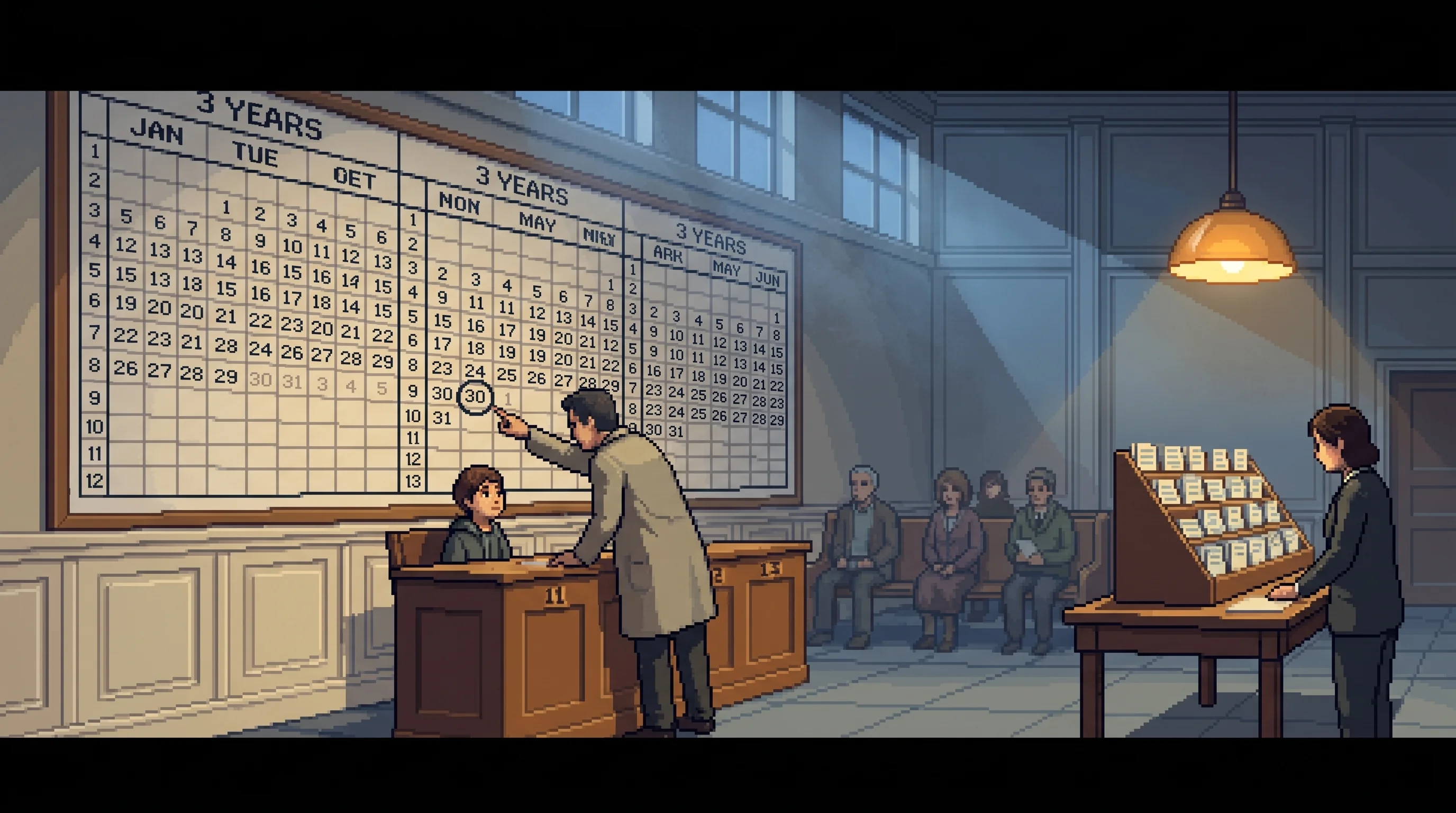
A code-3 case closes three ways: consented, on the subject's endorsement; withdrawn by subject, which is unavailable once the act has been performed; or lapsed, automatically, at thirty-six months. In the published quarterly, lapsed and consented are reported together. This is printed in the schema notes and has been since 2178.
So Emrys Dolan's refusal expires in 2186 and is then counted as agreement. His signature would change the date it happens and the word beside it, and nothing else. He has worked this out, his advocate has confirmed it, and he is holding anyway. What he says, when pressed, is that in twenty years the only part of this anyone will read is the column, and he would rather they had to run the clock out to fill it.
There is a cost to holding that he did not choose and mostly did not see. From the day a forecast is filed, insurers treat the gap before the intervention as an unredeemed offer and load the household's cover for every month of it. Ceri Dolan paid that for eleven days and noticed it once, at renewal, after it had already been removed.
Who else is in this
The Ratification Registry holds nineteen thousand open cases and cannot say that any intervention should not have happened. It can say the date was wrong. It assigns every subject a licensed date advocate, free, and those advocates win about a third of the time, and a win is worth four months. In 2179 one of them, Anselm Prieto, published four pages pointing out that every argument the corps wins hands the forecasting office a specialist-prepared example of its own error, at no charge — and that median forecast error has fallen from 5.1 months to 1.8 as a result. The Registry's annual report credits the advocates for the improvement and thanks them by name. Nothing changed after he published.
Maren Cott signs the mediator's concurrence that fixes the interval on a child's case. She is a Raised adult who adjudicates the practice that produced her, she has recused herself once in three years, and she cannot recuse from this: a concurrence is a finding about a date, not about a family, and not wanting to be the person who dates it is not a ground.
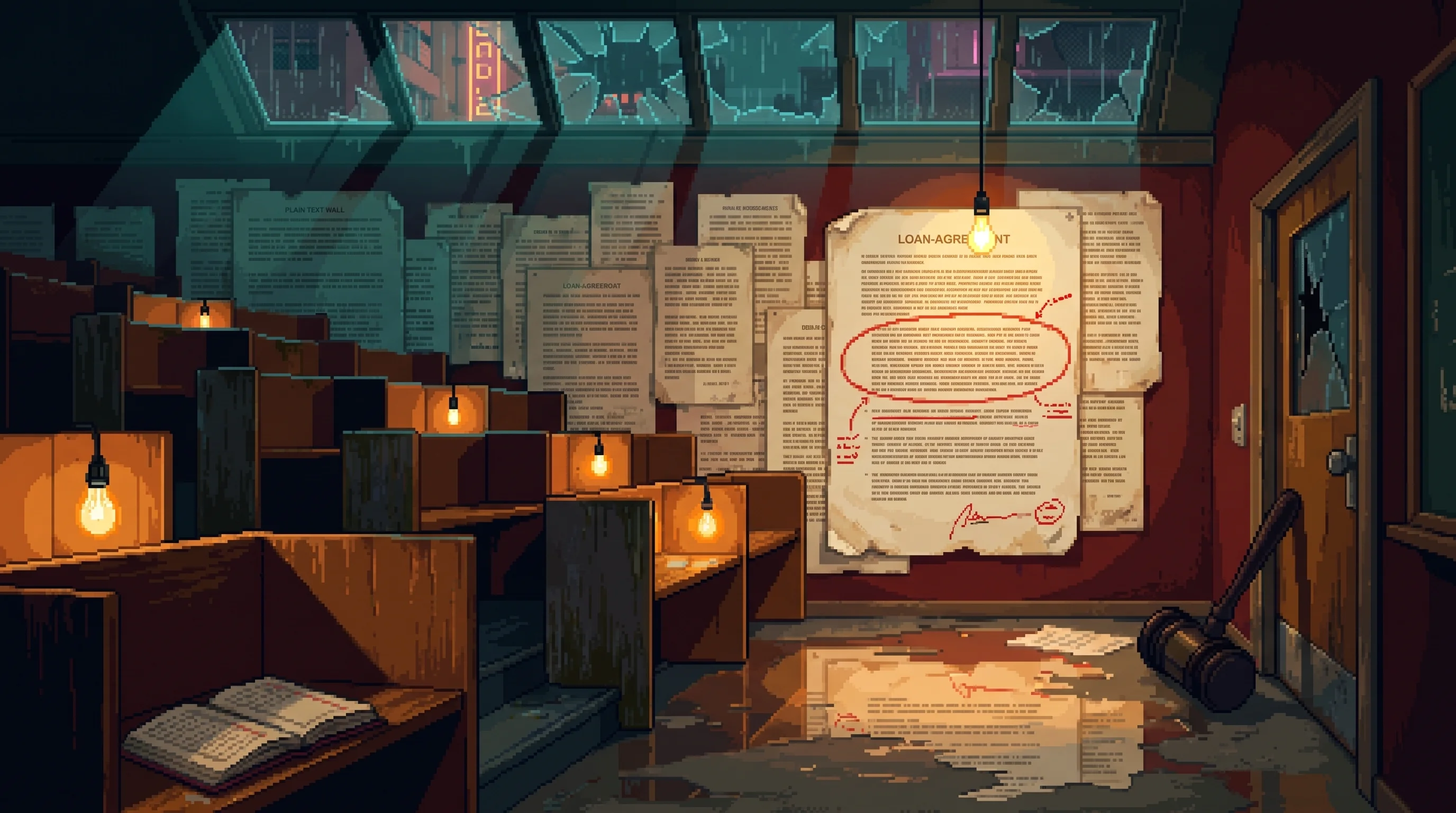
The Boalt Docket, the free clinic that has filed four hundred and twelve losing motions against cognitive repossession, cannot file here at all. Its intake note is one line: no adverse determination, no grounds, refer to a Registry advocate. Its whole practice rests on the belief that forcing a human being to sign a number is worth more than any percentage. In these cases two people already signed, both read what they were signing, and the slot did not move by an hour.

Liu Shen, who mediates out of Peach House in the Undervolt, has no authority over a licensed-district clinic and says so before anything else. Then he asks when the refusal was spoken, and to whom, and writes the hour in a copper ledger. The districts record that an objection exists and forecast when it will end. They do not record when it began. There are thirty-one of those hours in his book.
Marit Calder appears in the Registry's advocate training as the reference case for an intervention a subject could not have consented to and does not regret. She knows, and has not asked to be taken out of it. What she said instead is that she is the wrong instrument for the question, because the part of her that would have registered a loss is the part that was removed, and the people who could have answered it properly signed in 2152 — four of them are dead, and she washed the fourth.
The Reading is where the arithmetic comes from. A lifespan certificate is a cohort projection: people with this history, at this point, went on to do that. Aim the identical machinery at a different endpoint and it returns the month somebody withdraws an objection instead of the year they die. Staff move between the two desks as a lateral transfer, and those who have worked both say the endorsement product is easier, because a Read waits decades to be graded and a forecast is told inside a year exactly how wrong it was. Nobody at either desk has had to answer what the shorter loop is measuring. A lifespan projection cannot cause the death it predicts.
The Stacks is where he lives, five buildings deep on foundations certified for a seventh of the people standing on them, and where nothing transmits between the fourth floor and the eleventh. That dead air is why the stair relay exists and why a seventeen-year-old can still earn coins carrying messages by hand.
What happens in 2186
No case in the docket has ever reached thirty-six months with the subject still turning up.
The lapse was written for abandoned files: people who moved districts, stopped answering, died. It closes them tidily and reports them with the consented, and for fifteen years that has been a fair description of what those cases were.
In 2186 the Registry gets one that is not. An open objection, a subject at every hearing, an advocate on the file, and a clock running out exactly on schedule. Staff have started asking each other what code it goes in under. There is no answer yet.
The person who will make them find one is seventeen, lives on the fifth floor of the second stack, and runs messages up and down four flights of stairwell for coins — because it is the only work he does that never ends up in a file.